
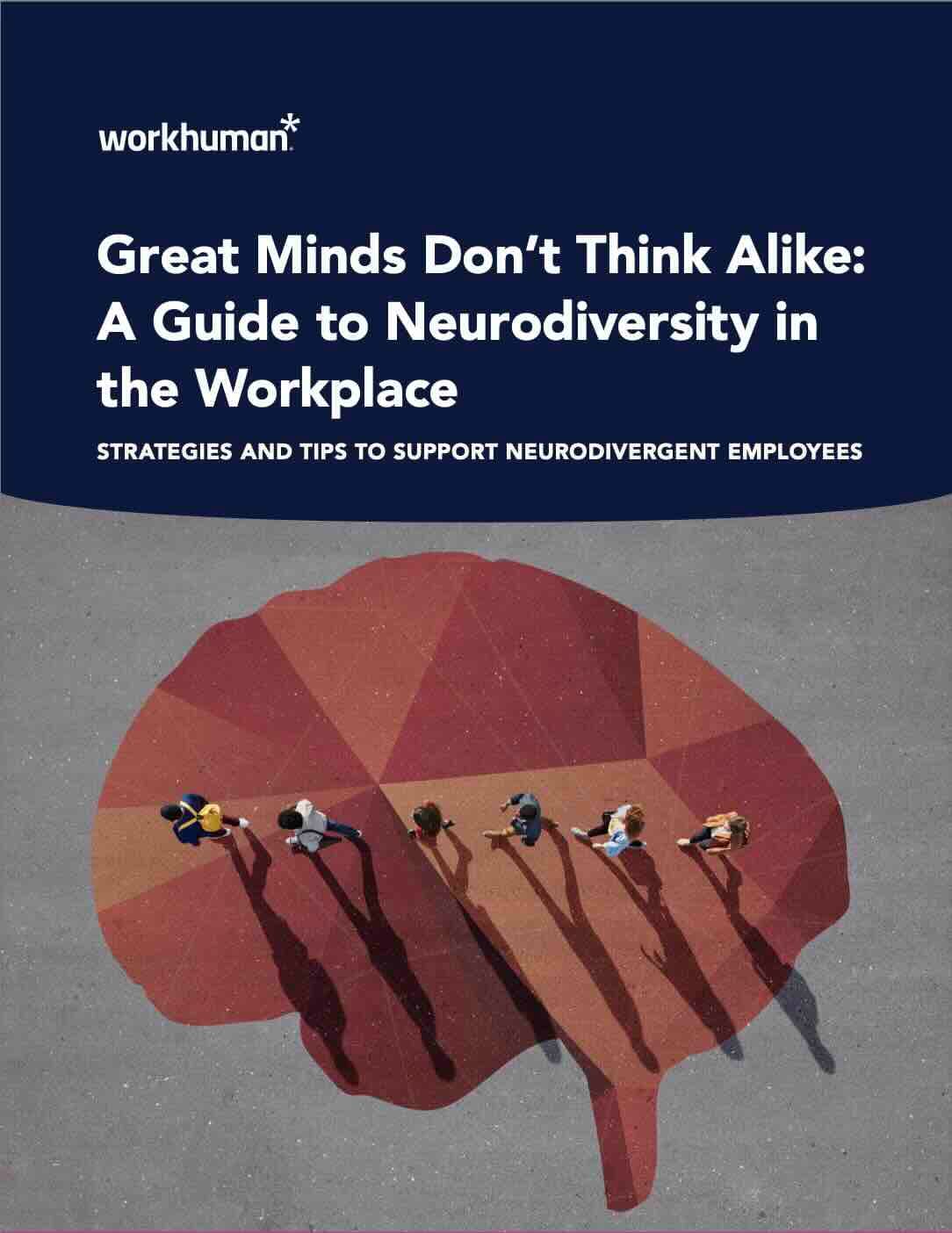
Great Minds Don’t Think Alike: A Guide to Neurodiversity in the Workplace

When we think of DEI, we often think of race, gender, age, and sexual orientation, but there is also diversity in the way people think.


Share this article

When we think of DEI, we often think of race, gender, age, and sexual orientation, but there is also diversity in the way people think.  

Neurodiversity – encompassing autism, attention deficit/hyperactivity disorder (ADHD), dyslexia, dyscalculia, dysgraphia, and obsessive-compulsive disorder (OCD), among others – brings unique strengths and perspectives that can significantly enhance organizational success. As many as 8% of adultsOpens in a new tab globally could have some form of neurodivergence. 

As human experience advocates and leaders, recognizing and effectively supporting this population in the workplace is essential for those individuals and of greater benefit to the organization. Keep reading for insight and tips. 

Recommended for you

Congratulations on Not Quitting: Work Service Milestones Deserve Better
Employee Appreciation Day is over – now what? A manager’s field guide to yearlong gratitude
Human-Centered Leadership: Transformation Through Creativity and Connection
Feature Brief: Social Sharing
The Lost Art of the 1:1 Check-in
Humans at Work Barometer: Why Your Humans Aren't Feeling Seen (And What to Do About It)
Rise & Shine: Recognition in Action at Workhuman’s 2026 Customer Awards
Building a Feedback Culture That Actually Sticks
52 Reasons to Celebrate Your People This Year (One for Every Week)
Where the “People” People Find Their People: Workhuman Live Reflections
Why Your Return-to-Office Mandate Might Lose You Talent (And What to Do About It)

Become a pioneer of the human workplace.

Book your demo today