Talent Management Strategy: How to Attract, Develop, and Retain Top Talent
by Ryan Stoltz
Last updated
8 min read
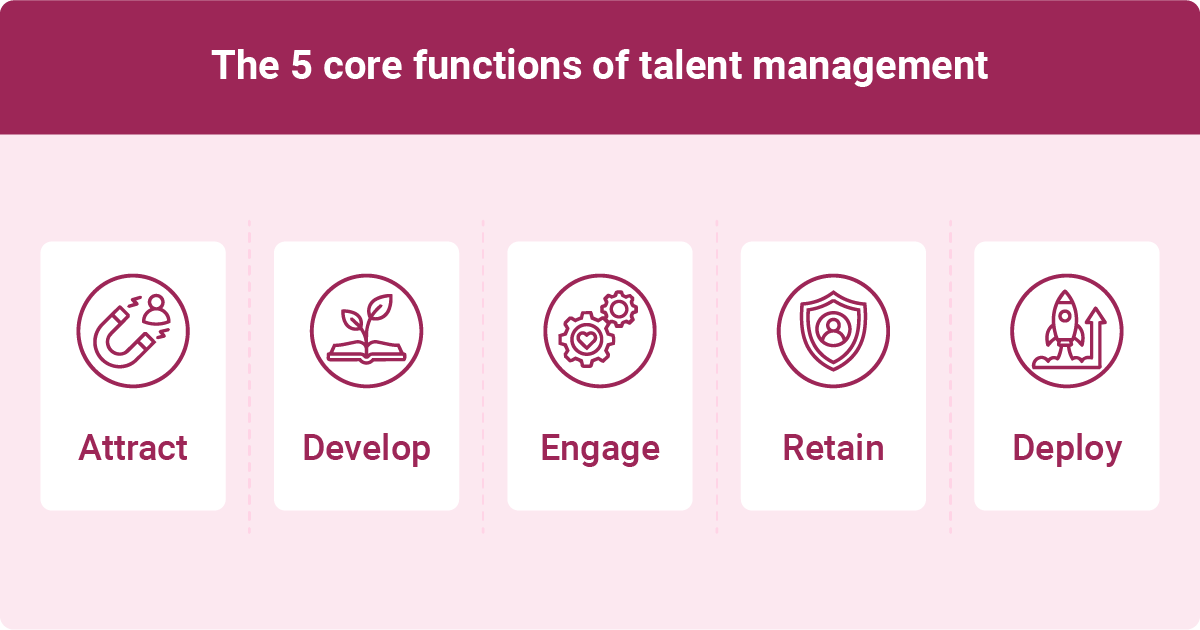
Table of contents
- What is a talent management strategy? Definition and scope
- Key components of a talent management strategy
- How to develop a talent management strategy: step-by-step process
- Common talent management challenges and how to overcome them
- Best talent management software: tools to support your strategy
- FAQs
Share this article
You know talent management matters, but do you have a strategy for it that actually works? Most HR leaders inherit a patchwork of programs and policies with no clear thread. Your hiring activities have no connection to your retention strategy, and there's no big-picture plan for development. Slowly, your high performers drift away to competitors, and you've got no one to fill that absolutely critical leadership position.
Most organizations already have the pieces. What they're missing is better inputs. Too many talent decisions still rest on manager nominations, annual review scores, and self-reported skills — signals that are thin, inconsistent, and quietly shaped by who's visible rather than who's actually performing. A strategy built on those inputs will only ever be as good as those inputs.
This guide walks you through what a talent management strategy is, the core components that make it work, and a step-by-step process for building your own.
What is a talent management strategy? Definition and scope
According to SHRM’s expositionOpens in a new tab, talent management "integrates every stage of the employee lifecycle into one strategy that fuels business performance." It covers everything from attracting top talent to managing performance and planning for succession.
Many organizations already do all these activities on an ad hoc basis, but a robust talent management strategy brings them together in one forward-looking approach. It's the difference between hiring a "good enough" candidate to fill an immediate opening and intentionally picking someone with the skills you'll need three years down the line.
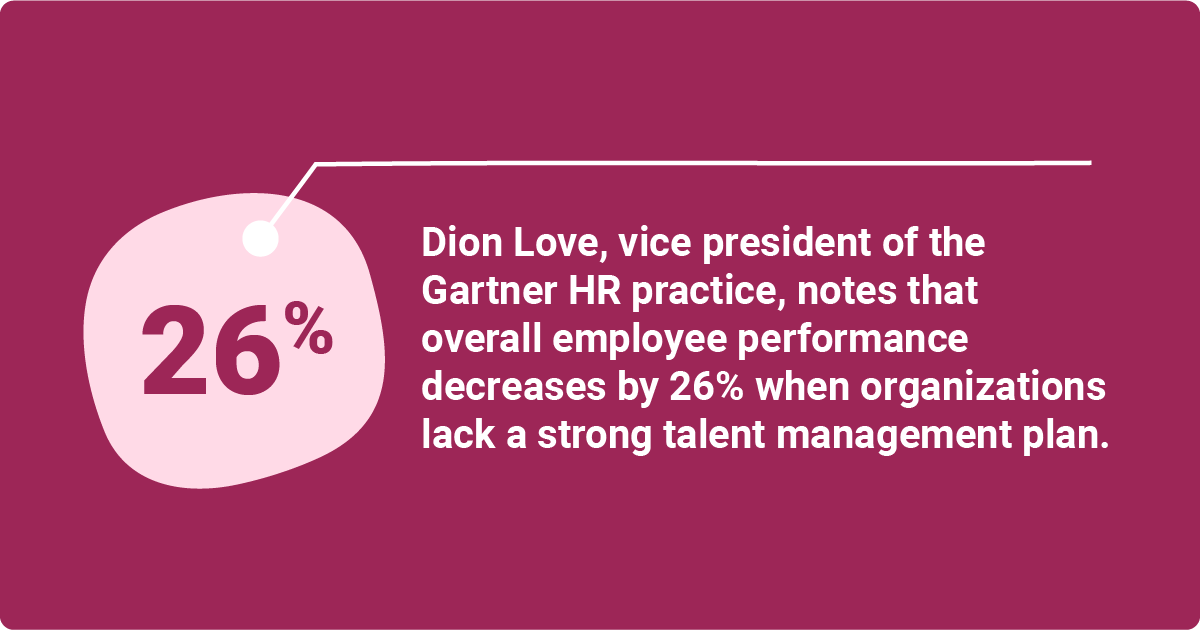
This deliberate approach can have a huge impact on your company's success. Dion Love, vice president of the Gartner HR practice, notes that overall employee performance decreases by 26% when organizations lack a strong talent management plan.
How talent management differs from talent acquisition
Talent acquisition focuses on the beginning of your relationship with employees. It covers sourcing, recruiting, and hiring.
By contrast, the talent management process is a broader framework that spans the whole employee lifecycle, including ongoing development and strategic workforce planning. It often draws on acquisition data, but hiring is only one piece of the puzzle.
The 5 core functions of talent management
The core talent management principles include:
- Attract: Build a strong employer reputation so top talent flocks to your company. This could involve anything from encouraging your employees to review you on platforms like Glassdoor to creating videos about the culture. Referral programs and other sourcing strategies can also help you connect with the right people.
- Develop: Help employees flourish by providing learning and coaching opportunities. As their skills grow, they'll be ready to take on new projects and roles.
- Engage: According to a Gallup meta-analysis, “Engage Your Workforce by Empowering Your Managers First”, there's a clear link between manager and employee engagement. Strengthening their relationships can lead to greater satisfaction and productivity from the entire team. Meaningful work and recognition are other key factors in keeping employees motivated.
- Retain: Employees are more likely to stick around when companies create a supportive culture and offer rewards for exceptional work. Clear internal career paths can also help you retain your best performers.
- Deploy: Stay flexible by moving people into the roles and projects where they'll have the most impact.
Talent management in HRM: How it fits within human resources
If talent management sounds like it's already part of your regular HR duties, you're not wrong. Human resources covers every employee-related function in an organization, from benefits enrollment to payroll and compliance.
Talent management falls under this umbrella, but it focuses more narrowly on hiring and developing the right people. Many businesses value this strategy so much that they have an entire team or specialist dedicated to it.
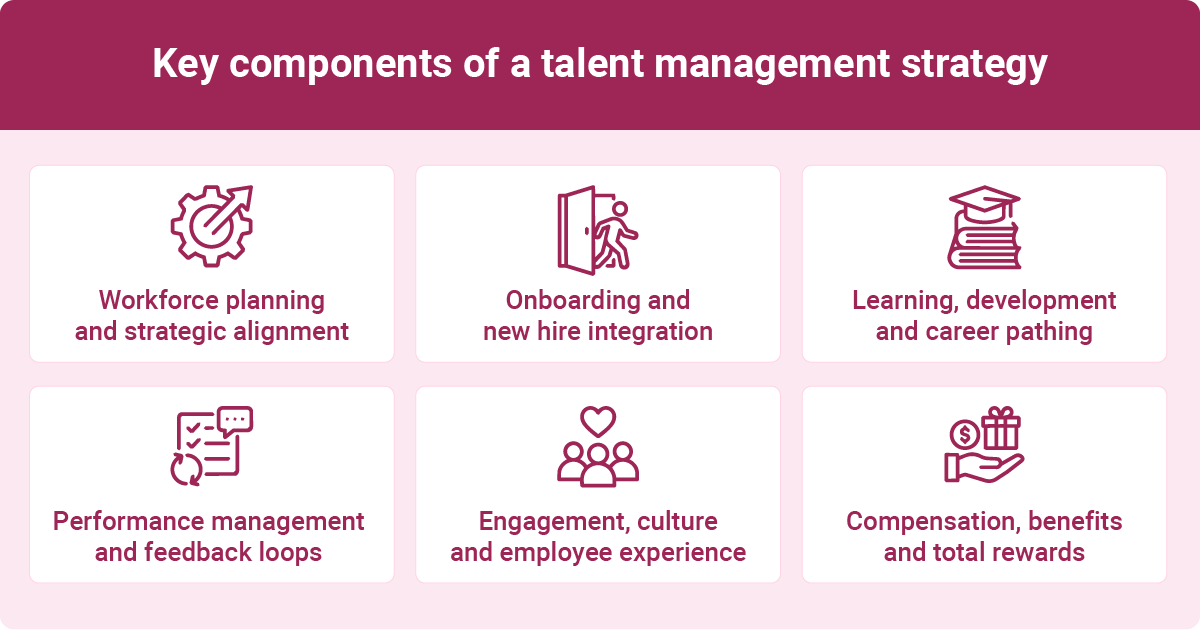
Key components of a talent management strategy
Workforce planning and strategic alignment
Start by learning how your organization's workforce stacks up against your future needs. Create a list of critical skills based on your plans and market trends. If you plan to automate 30% of your tasks by 2030, you'll probably need expertise in change management and process mapping.
Once you've got a clear sense of your current talent supply and future needs, you can fill any gaps with hiring and development. That way, you've got the talent supply ready to go before you even start planning your first automation project or whatever comes next.
Onboarding and new hire integration
The Work Institute estimates that more than one in three new hires quit in the first year. A structured onboarding program can reduce turnover by giving recruits the tools and connections they need to thrive.
Forget about the traditional one-week crash course. Plan to provide onboarding support for at least the first 90 days. This extended program should clarify role expectations and encourage new hires to set goals. It should also introduce them to the company culture and key stakeholders with relationship-building activities. For example, schedule a lunch with your leadership team or have new employees join colleagues for a community service day.
Track new hires' progress with checklists and 30-, 60-, and 90-day plans. And be sure to give plenty of feedback throughout the entire process. These seemingly small gestures go a long way to reducing time-to-productivity and showing how much you value your new team members.
Learning, development, and career pathing
Employees often have high aspirations, but they can't always picture how they'll get from point A to point B. Demystify the process by providing clear roadmaps for career progression within your organization. A data analyst, for instance, could become a director or specialize in data engineering. Meanwhile, an entry-level marketer might transition into a public relations or sales role.
Of course, simply suggesting career paths isn't enough. You also need to help employees develop the skills they need to get ahead. Offer both technical and leadership programs for people at different career stages. Some organizations host these sessions in person, but you can also use digital learning platforms like Degreed. Mentorship and stretch assignments can accelerate growth, too.
Upskilling and reskilling play a key role in business success. Research from Gallup, “Improve Work Performance With a Focus on Employee Development”, shows that companies that invest strategically in employee development earn 11% more profits and are twice as likely to retain employees. Plus, it's much easier to fill vacancies when you already have people with the necessary skills.
Performance management and feedback loops
For the best results, ditch the annual reviews in favor of a continuous feedback model. Workhuman's® Conversations™ makes it easy to schedule regular 1:1 check-ins, and employees can crowdsource feedback from their peers. For example, someone who's working on their communication skills could ask for input from colleagues who attended a recent presentation they gave.
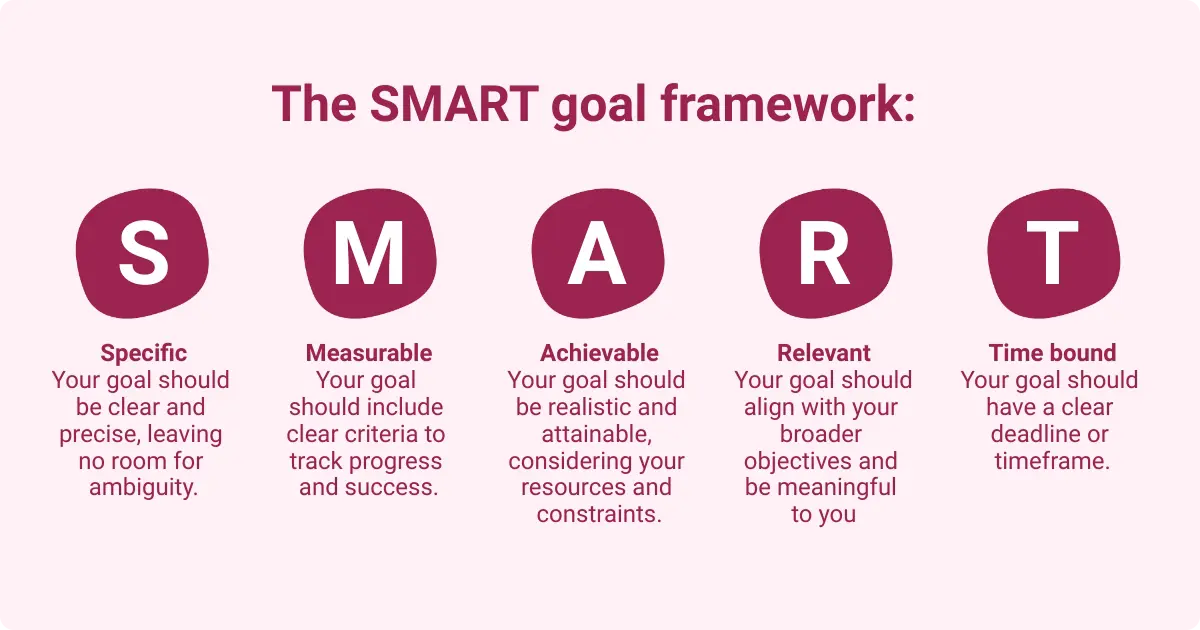
Of course, it's easier for employees to improve when they have a clear destination in mind. Encourage them to create SMART goals that connect to the larger goals of their team or organization. Link progress on these goals and overall performance to promotion decisions and succession planning.
And don't assume that managers automatically know how to give valuable feedback; it's not intuitive. Teach them how to give constructive, bias-aware guidance.
Engagement, culture, and employee experience
Culture plays a huge role in strategic talent management. If employees feel checked out or worry that they'll be punished for their performance, they may push back against feedback and development. Win them over by creating a positive environment where people feel empowered and encouraged to grow. This could involve inclusive leadership training and recognition programs.
Take the time to understand the employee experience, too. Anonymous surveys and focus groups can help you see your organization with fresh eyes and spot recurring issues, such as overly critical managers or low pay.
Compensation, benefits, and total rewards
It's no secret that compensation affects employee happiness. However, how much an organization pays its employees can also impact its bottom line. According to a Zety survey titled “1 in 3 Employees Believe They’re Underpaid Compared to Industry PeersOpens in a new tab”, 77% of employees say dissatisfaction with their salary has lowered their productivity or engagement at work.
Stay competitive by regularly benchmarking salaries and benefits against the rest of your industry. Consider adding non-monetary rewards to your compensation packages, too. For example, the American Psychological Association, in their report, “Workers appreciate and seek mental health support in the workplace”, found that 41% of workers want flexible work hours, and 33% want the ability to work remotely.
These perks can help attract and retain top talent, along with creating a more supportive work culture.
Popular talent management frameworks: 3 C's, AAARR, and more
There's no one-size-fits-all way to handle your workforce. Here are three talent management strategy examples to consider:
Pick a framework that fits your strategic goals and data capabilities. If you have limited data, try a simple model like the 3 C's or 9-box grid. If your organization already uses people analytics for HR, consider the more sophisticated AAARR system.
See also: What are the best people analytics tools?
Internal talent marketplaces and mobility platforms
Building an internal talent marketplace is an effective way to overcome talent shortages. It connects current employees with open roles and projects within the organization. If you need to hire a project manager, for instance, you may already have team members with the right skills.
Use a gig platform to gauge your workers' interests and inventory their skills. This data can help managers source talent internally and redeploy employees if their roles get eliminated.
How to develop a talent management strategy: step-by-step process
Developing a talent management strategy requires careful planning and the right resources. Follow these simple steps:
- Outline your business goals and match them to your talent priorities.
- Audit your existing talent, including critical skills and roles, and flag any gaps.
- Define which roles or types of employees contribute the most to organizational success. Prioritize these talent segments during recruitment and development.
- Build connected programs across every stage, from acquisition to retention. For example, look for job candidates who have the potential to learn emerging technologies that you may adopt later.
- Set metrics and gather baseline data that you can use to measure your progress. These may include turnover rates, internal mobility, time-to-fill roles, and training completion rates.
- Pilot your program with a small team, and make adjustments as needed before the full rollout.
- Educate leaders and managers about your talent management strategy and explain their role in it.
- Use talent analytics tools to monitor progress and refine your process.
Aligning the talent management strategy with business goals
The last thing you want to do is train people in obsolete skills or hire a dozen customer service reps if leadership plans to launch an AI assistant next quarter. Interview executive leaders and other stakeholders to learn about their priorities firsthand. These conversations will help you figure out which capabilities matter most and where to stop investing resources.
Conducting a talent audit and gap analysis
Before you get too deep into your talent management strategy, take the time to audit your team's skills and performance levels. This data can help you spot the most promising employees, including people who could fit into your succession plans. Comparing available skills to future needs will also help you figure out where to focus hiring and upskilling efforts and where you need to retain talent.
Defining success metrics and KPIs
Talent management is often a slow process, but that doesn't mean your strategy isn't working. Keep a close eye on your progress by tracking key metrics, such as:
Workhuman iQ uses AI-powered analytics to gather and assess social recognition data. It can help you measure cultural health and program effectiveness. The software also offers on-demand reports and personalized suggestions for improving employee engagement and retention. That means you can see exactly what's going on in real time without relying on a data analyst or convoluted spreadsheet.
Common talent management challenges and how to overcome them
Even strong talent management plans can get held back by logistical obstacles or even emotional reactions. Here are six obstacles you may encounter and how to overcome them:
Best talent management software: tools to support your strategy
Let's face it: talent management can be complex, especially for large teams. Instead of trying to handle everything manually, offload some of the work to software. Here are a few types of tools to add to your tech stack:
Evaluating and selecting talent tech
Before you start browsing fancy software, take the time to assess your current needs. You don't want to invest in too much tech too fast, so prioritize software based on your greatest pain points. You should also look for tools that are compatible with your tech stack to avoid integration headaches.
Many vendors offer free demos so you can check out the features and see how a platform would fit into your workflows. You should also pilot every new tool to smooth out any hitches before your entire organization starts using it.
FAQs
What is the difference between talent management and human resources?
Human resources refers broadly to all the people-related tasks in an organization, such as benefits enrollment and conflict resolution. By contrast, talent management focuses more narrowly on hiring and nurturing high performers.
What are the core components every talent management strategy should include?
A talent management strategy should include workforce planning, onboarding, development, performance management, engagement, and compensation.
How often should a talent management strategy be reviewed and updated?
Review your talent management plan at least every quarter, and update it as your strategy and goals shift.
What are the 3 C's of talent management?
The 3 C's of talent management are competence (skills), commitment, and culture.

Ryan Stoltz
Ryan is a search marketing manager and content strategist at Workhuman where he writes on the next evolution of the workplace. Outside of the workplace, he's a diehard 49ers fan, comedy junkie, and has trouble avoiding sweets on a nightly basis.
Recommended for you