
Best HR Analytics Tools and Software in 2026
by Ryan Stoltz
Last updated
8 min read
Table of contents
- Types of HR analytics and common techniques
- Top HR analytics tools and software in 2026
- Key features to look for in HR data analytics tools and software
- How actionable insights from HR analytics improve business performance
- How to choose the right HR analytics software for your business
- Future trends in HR analytics tools and software
- Concluding thoughts: Stay organized and proactive with HR analytics tools and software
Share this article
Many modern human resources professionals are feeling the strain as responsibilities pile up. You've got a mile-high stack of resumes on your desk and no clear winner. The pressure is on to hire someone because your top performers keep leaving. Oh, and your boss just slashed your training budget again.
HR analytics tools can help you make better and faster decisions. This software gathers and interprets workforce data, such as benefits participation and turnover rates. It also reveals trends so you can respond proactively.
There are plenty of HR analytics platforms on the market, but they're not all created equal. Some have cutting-edge features like artificial intelligence and real-time analytics. Others focus on one or two areas of HR, such as talent management, but you may need to stitch a few tools together to see the big picture.
This guide highlights the top HR analytics software in 2026. You'll learn about their core features, potential drawbacks, pricing, and more. Plus, get practical tips for choosing a solution that works for your organization.
Types of HR analytics and common techniques
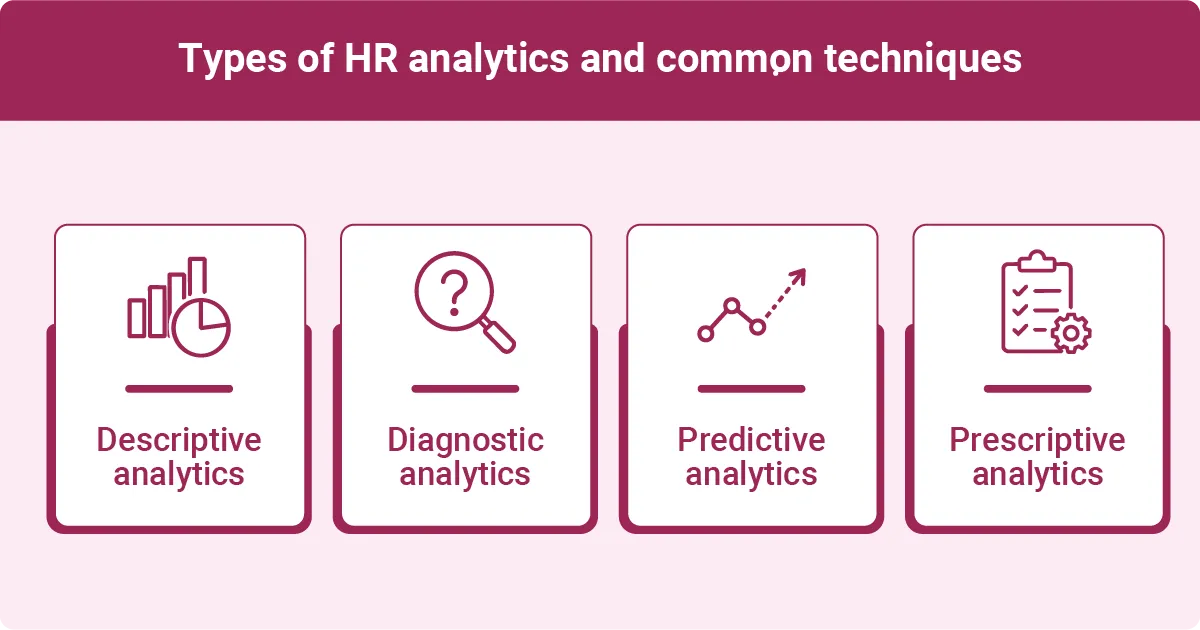
A book always tells the same story, but HR analytics lets you read people analytics data through multiple lenses. HR professionals generally rely on four kinds of analytics:
- Descriptive analytics uses historical data to explain past events. For example, you could analyze productivity data from the last three years to track your team's performance.
- Diagnostic analytics interprets historical data to answer questions or find the root causes of problems. If half your management team leaves, you could analyze employee satisfaction scores and recognition data to understand why.
- Predictive analytics uses statistical modeling and machine learning to forecast future outcomes. If your customer service team feels burned out, analyzing ticket volume and employee engagement could reveal when people are most likely to leave. This lets you adjust scheduling or hire more staff to reduce stress and boost retention.
- Prescriptive analytics takes data-driven insights and uses them to find the best way forward. If your turnover rate spiked last quarter, this approach can help you decide if you should invest more in recognition or offer raises.
Within each category, HR analytics uses many different techniques to interpret data. One common approach is regression analysis, which models the relationship between two or more variables.
Sentiment analysis, another popular method, analyzes the emotional tone of text. For example, you might examine the sentiment of 200 Glassdoor reviews to understand how staff feel about your company.
For more advanced insights, machine learning techniques use algorithms to analyze vast datasets. One example is clustering, which groups similar data points into categories to find connections that humans may overlook. Maybe your employees feel most satisfied when they have effective weekly team meetings, or productivity soars during the summer.
See also: 10 Best AI Tools for HR Teams (and What Each One Actually Does)
Top HR analytics tools and software in 2026

According to Gartner Digital Markets' 2025 Software Trends SurveyOpens in a new tab, 60% of HR leaders plan to invest more in software. However, finding the HR technology for the right price isn't always easy. You probably don't have time to test every analytics platform, and you may not even know what features you actually need.
R and Python
R and Python are programming languages often used to clean, analyze, and model workforce data.
If you're new to programming, consider learning R first. It's often considered more beginner-friendly for data analysis, especially when combined with RStudio, an integrated development environment. RStudio has built-in workflow tools that make it easy to analyze data and create visualizations.
On the other hand, Python allows you to develop predictive models and automate certain tasks, such as creating weekly reports. Like R, it pairs with open-source libraries, such as pandas and TensorFlow. These tools allow you to quickly process and analyze huge datasets.
Tableau
Tableau is a data analysis and visualization tool that lets you transform your people data in minutes. You can also build custom HR dashboards that help answer specific questions. For example, you could create a diversity dashboard that shows gender and race breakdowns across your organization.
Customer reviews
Annpurna S.Opens in a new tab: "What I like best about Tableau is its ability to turn complex data into clear, interactive visualizations. It makes it easy to explore data, identify trends, and surface insights without needing deep technical skills. From a data operations perspective, Tableau works especially well for self-service analytics, allowing business users to answer their own questions while reducing ad-hoc reporting requests."
ChartHop
ChartHop is designed for HR analytics. Its conversational AI agent answers questions about your data, so you don't need to use complex formulas. It also includes HR-specific features, including employee profiles and an Org Chart that reveals manager relationships.
Customer reviews
Nariman OOpens in a new tab: "What I like best about ChartHop is its ability to bring together people data in a way that is both intuitive and actionable. Traditionally, HR and organizational data have been siloed across multiple platforms, spreadsheets, HRIS systems, employee performance management tools, etc. Which makes it difficult to get a clear, real-time view of an organization. ChartHop solves this problem by creating a centralized, visual platform where everything from headcount planning and compensation analysis to DEI reporting and organizational design is accessible and transparent."
Workhuman
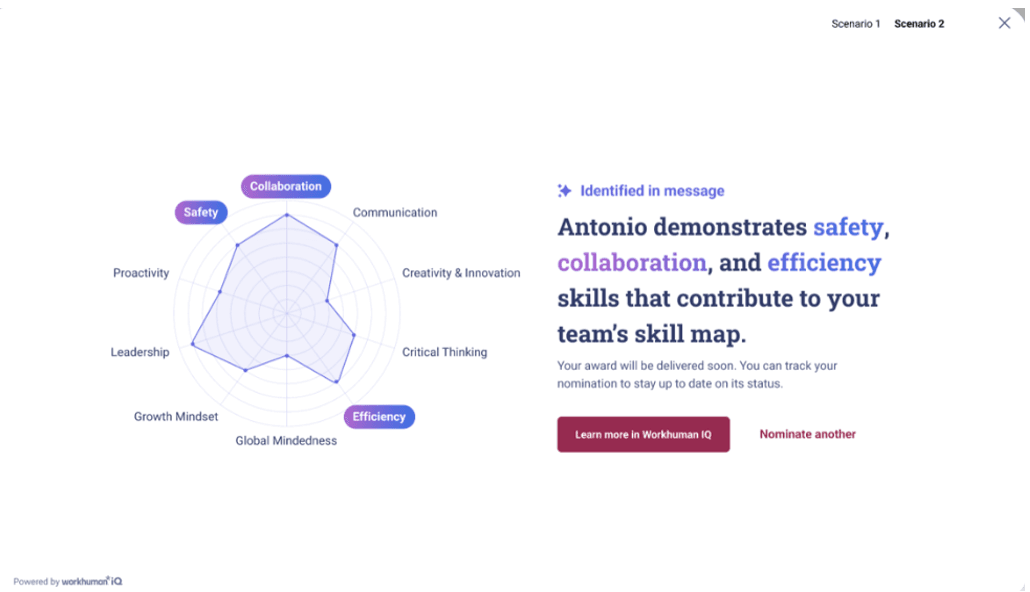
Workhuman® is a leading employee engagement and recognition platform. Workhuman iQ uses Human Intelligence™ to mine and analyze people data. This powerful tool helps you understand your organization's culture, people dynamics, program performance, skills, and much more.
Customer reviews
Shifin COpens in a new tab: "The most helpful aspect of Workhuman Social Recognition is its ability to make employee appreciation consistent, authentic, and measurable. Employees can recognize each other in real time, making appreciation more inclusive and authentic. Recognition data flows into performance and engagement dashboards, aligning with broader HR strategies. Supports multiple languages and currencies, making it suitable for multinational organizations. Leaders gain visibility into recognition trends, helping them measure cultural health and ROI. This makes it especially valuable for mid-to-large companies that want recognition to be embedded into everyday work and tied to measurable outcomes."
Visier
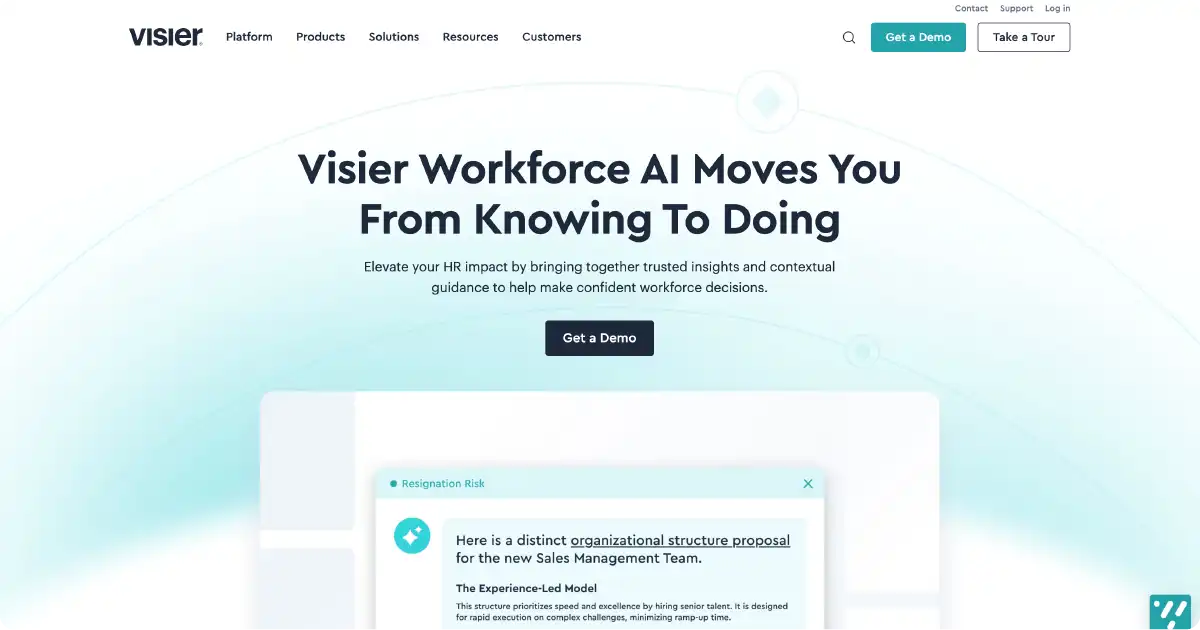
Visier is an AI-powered HR analytics tool that integrates people and operational data from across your organization. Users can model workforce scenarios, such as hiring or restructuring, and predict outcomes.
Customer reviews
Jasmine D. P.Opens in a new tab: "Visier has a lot of functionality and provides for data engineers, specialists, and users to build and customize their data visuals. I like that you can also add qualitative contextual notes in the dashboard. I really love the function of intersectional data with all of the categories and labels."
BambooHR
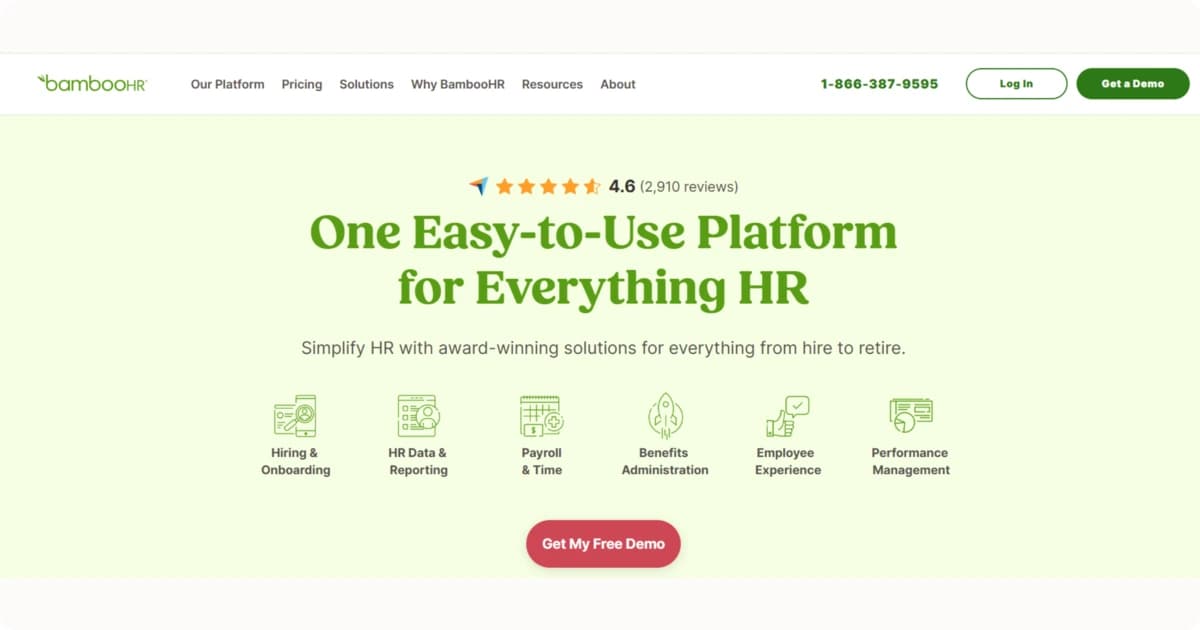
BambooHR is an all-in-one HRIS that handles everything from benefits administration to payroll. It features a centralized HR database with basic analytics and reporting tools.
Customer reviews
Joe V.Opens in a new tab: "What I like most about BambooHR is how intuitive and easy it is to use. The interface is clean and visually appealing, so it doesn’t feel overwhelming, even if you’re not in the system every day. Everything is laid out in a logical way, which makes it easy to find what you need and move through tasks efficiently."
Deel
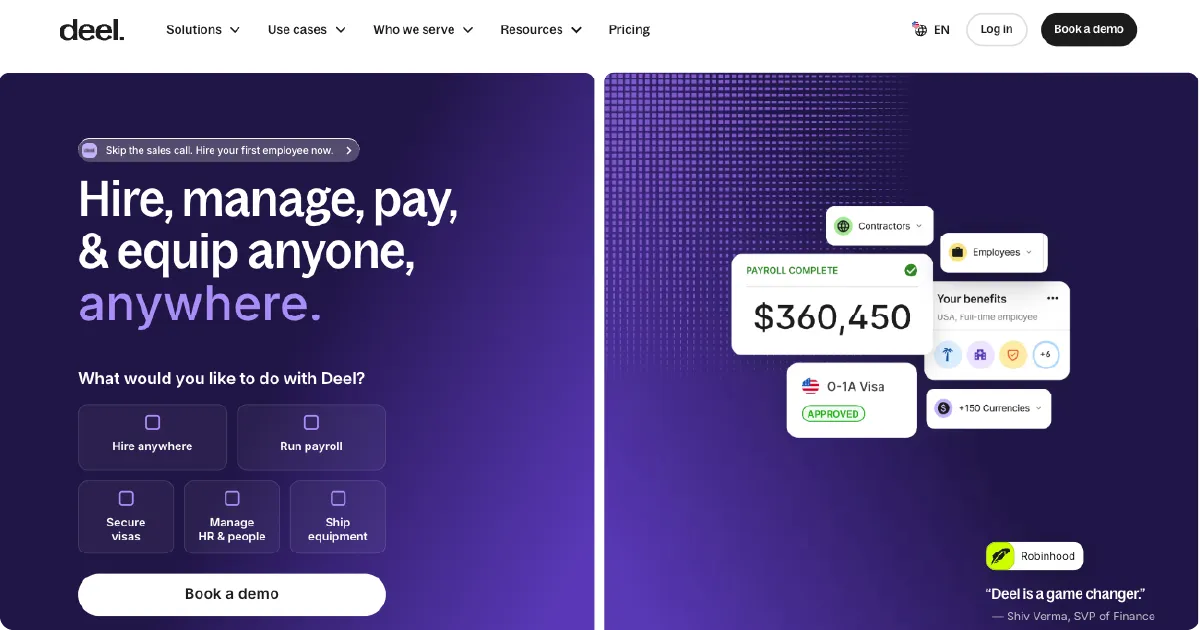
Deel is designed for global companies that want a unified HR system. It offers solutions for hiring, immigration, payroll, and other HR needs. While HR analytics isn't a primary focus, it also includes basic data management and reporting tools.
Customer reviews
IvanOpens in a new tab: "What I like most about Deel HR is how intuitive and well-organized the platform feels. It makes managing HR processes straightforward and efficient, which is especially helpful for someone who’s just getting started. The user interface is clear and easy to navigate, and overall, the experience comes across as smooth, polished, and professional."
Key features to look for in HR data analytics tools and software
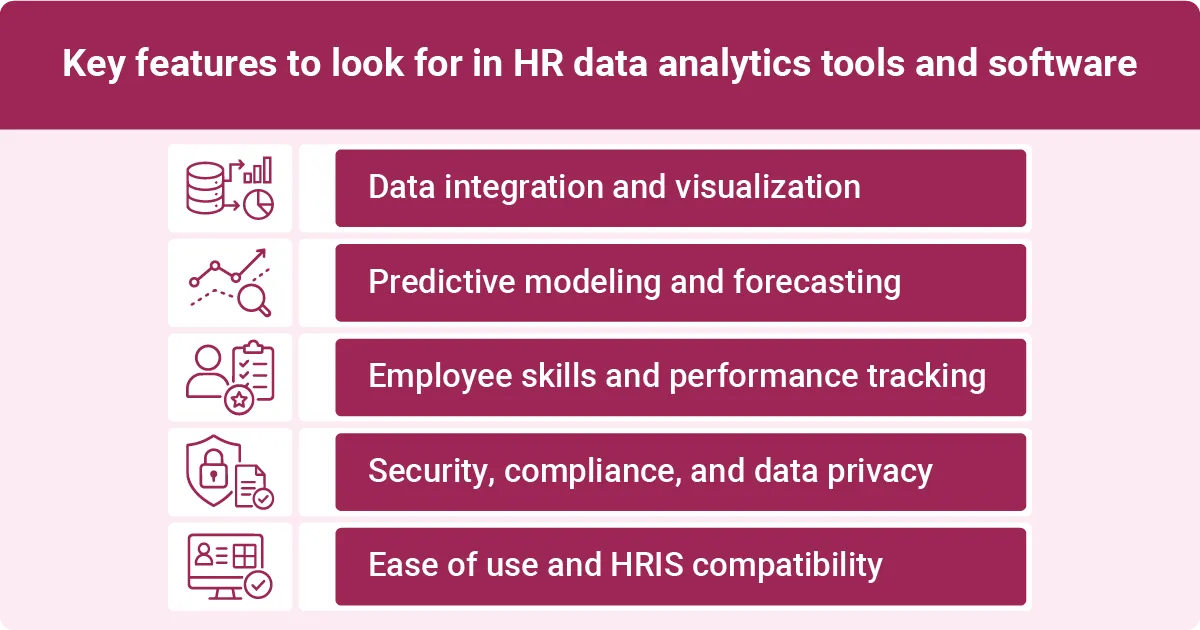
Before you start scheduling demos, create a list of your must-have features. That way, you won't get distracted by flashy functions that you'll never actually use. Most organizations need these essential data tools.
Data integration and data visualization
The most unexpected findings often come when you draw on data from multiple sources. Look for a tool that allows you to combine HR and operational data in one place. It should also have custom dashboards and reporting, so you can focus on the metrics that matter most to your organization.
Predictive modeling and forecasting
Predictive analytics for HR allows you to make proactive decisions about your workforce. With the best tools for HR analytics, you can look at available data to predict what comes next and respond accordingly. For example, you may notice that employee productivity tends to slip two months before someone leaves your company. Based on this finding, you can step in to provide extra support or training.
Employee skills and performance tracking
Your team can only excel when everyone has the right knowledge. HR analytics tools help you track employee skills and detect gaps across your organization. Use this knowledge to create tailored upskilling opportunities. For example, if your managers lack generative AI skills, you could host a prompt engineering workshop.
Security, compliance, and data privacy
Your employees trust you with sensitive data, from their bank account numbers to how many vacation days they use. Keep this confidential information safe by choosing an HR analytics platform with strong access controls. That means your HR team can only access data on a need-to-know basis.
The best software also complies with privacy regulations and provides strong data protection. Workhuman, for instance, allows users to switch on advanced safety measures such as fraud detection and single sign-on (SSO). It also complies with the General Data Protection Regulation (GDPR) and other privacy legislation.
Ease of use and HRIS compatibility
The last thing you want to do is spend hours painstakingly moving data between platforms every time you need to analyze something. For the smoothest experience, pick an analytics tool that integrates with your existing HR systems. It should also have user-friendly interfaces, so you don't have to hunt for core features.
How actionable insights from HR analytics improve business performance
HR analytics may be complex, but the right approach can have a huge impact on your HR processes and overall business performance. Here are four reasons why organizations invest in it.
Enhanced recruitment and talent acquisition
It takes an average of 88 days to fill technical roles and 68 days for business roles, according to Ashby’s 2026 Talent Trends ReportOpens in a new tab. In the meantime, colleagues take on extra work, and tasks pile up.
HR analytics can help you reduce this timeline by identifying bottlenecks in the process, improving the speed of recruitment, as well as the quality of hires. It also supports employee talent assessment, so you can spot skills gaps. This lets you kickstart the recruitment and selection process before a staffing shortage happens.
Employee retention and engagement
Analyzing people data can detect flight risks early, so you can figure out the best ways to re-engage them. For example, offering flexible work schedules or celebrating employee achievements could reduce turnover.
Workforce planning and optimization
Don't rely solely on your gut to guide a workforce optimization initiative. You need cold, hard data to determine how best to balance your employees' needs. For instance, analyzing absenteeism data could reveal burned-out team members who need extra support.
HR analytics software also supports workforce capacity planning by predicting future skills demands. If sustainability is a new trend in your industry, you could hire people with knowledge of renewable technologies. Or you might assess your current talent to identify the best employees to upskill.
Diversity and inclusion
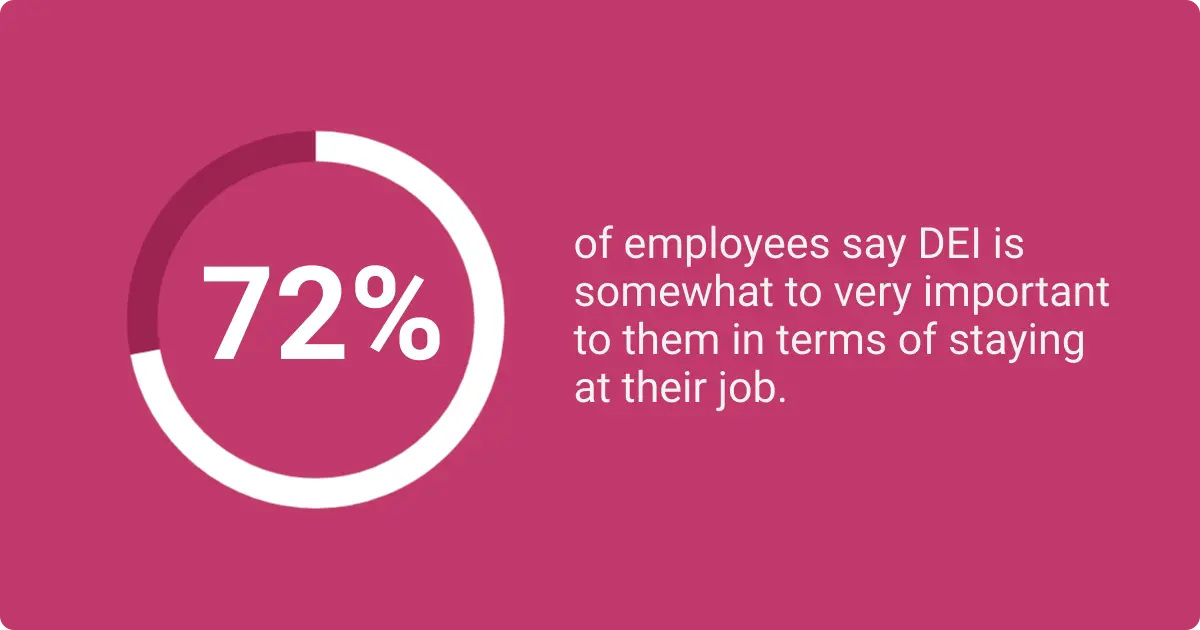
Data can help you develop more inclusive workplace initiatives. Track hiring and promotion metrics to uncover potential biases in your organization.
Recognition data can also reveal favoritism and other troubling trends. For instance, HR analytics might show that men get praised more often than women, even when their performance is equal. This finding can help you advise management and create fairer systems.
How to choose the right HR analytics software for your business
Researching HR analytics tools doesn't have to be overwhelming. Use this checklist to narrow your options:
- Look for tools that fit your business goals and needs. Ask your team about their biggest HR challenges, and create a list of your organization's objectives for the next two years. Then pick software that will help you tackle these problems and reach your HR goals.
- Consider your budget and long-term pricing. Calculate the total cost of the platform, both now and if you need to scale in the future. Some vendors also tack on hidden fees.
- Pick scalable software that's compatible with diverse data sources. Make sure your chosen platform meshes with your existing HR tools and can grow alongside your business.
- Ask about user training and support. Effective training and ongoing support will help you get the most out of your HR analytics technology.
Future trends in HR analytics tools and software
AI and machine learning
AI and machine learning in HR are changing how organizations gather and interpret data. Advanced algorithms can help you manage risk and spot even small changes in employee engagement. It all adds up to more proactive and responsive strategies.
Integration with employee engagement and well-being platforms
HR analytics tools often work hand in hand with platforms that promote employee engagement and well-being. Combining this technology lets you respond to your team's needs in real time. If employee satisfaction suddenly dips, data can help you understand why and correct course.
Ethics and employee data privacy
The rise of AI and growing cyberthreats have ignited concerns about how organizations use employee data — and rightfully so. In response, HR analysts should select tools with robust security measures. Simple protections like firewalls and access controls go a long way to keeping data secure.
Clearly communicating how you plan to use personal data can ease your team's anxieties about data privacy. For instance, you might explain that you're focusing on big-picture productivity trends, not punishing individual employees.
Concluding thoughts: Stay organized and proactive with HR analytics tools and software
While effective HR always calls for intuition and people skills, you also need the right tools to support your organization and employees. HR analytics software can help you understand exactly what's happening throughout your organization. Use these solutions to analyze everything from applicant resumes to the overall sentiments in anonymous employee surveys.
Detailed data and insights allow you to make faster, more proactive decisions. Instead of spending all day putting out small fires, you can predict and prevent issues. You'll also support your employees more effectively, giving them a better work experience.
Get started by listing your three biggest HR challenges. Use these priorities to guide your research as you explore analytics platforms and request demos for the most promising options.

Ryan Stoltz
Ryan is a search marketing manager and content strategist at Workhuman where he writes on the next evolution of the workplace. Outside of the workplace, he's a diehard 49ers fan, comedy junkie, and has trouble avoiding sweets on a nightly basis.
Recommended for you