
13 Best Succession Planning Tools and Software in 2026
by Ryan Stoltz
Last updated
14 min read
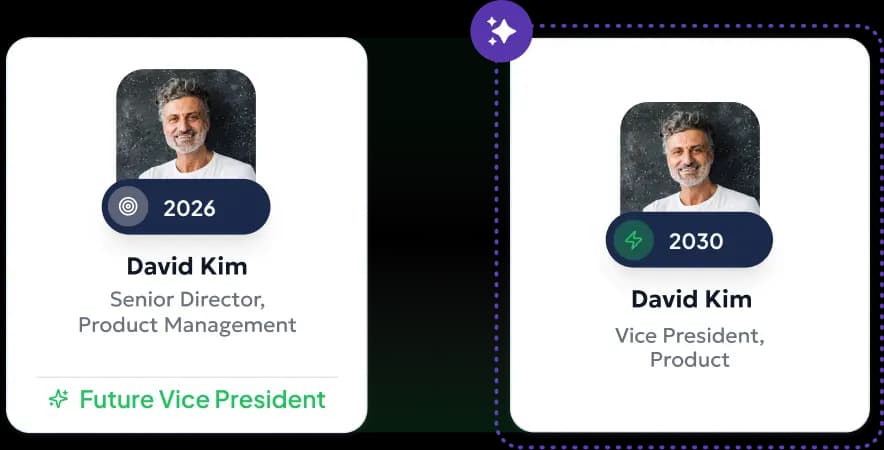
Table of contents
- Succession planning tools at a glance
- 1. Workhuman
- 2. iMocha
- 3. Plum
- 4. SAP SuccessFactors
- 5. Cornerstone OnDemand
- 6. TalentGuard
- 7. Dayforce
- 8. PeopleFluent
- 9. ChartHop
- 10. PerformYard
- 11. UKG Pro
- 12. ELMO Software
- 13. Deel
- How to choose the right succession planning tool
- Best practices for implementing succession planning software
- Frequently asked questions
- Conclusion
Share this article
Even the most dedicated leaders eventually leave their organizations. If you have a few promising employees waiting in the wings, you won't have to scramble to find their replacements.
Succession planning tools help you nurture high-potential employees, so they're ready to take up key positions when the time comes. These platforms help organizations identify high-potential talent, prepare them for leadership, and develop them to step into critical roles over time.
Traditionally, organizations relied on human intuition to discover future CEOs and VPs, which mostly meant whoever managers already had in mind. That still matters. But traditional succession processes tend to be slow, reactive, and biased toward visibility: the people already in the room. Succession software uses data to go further and find the hidden gems.
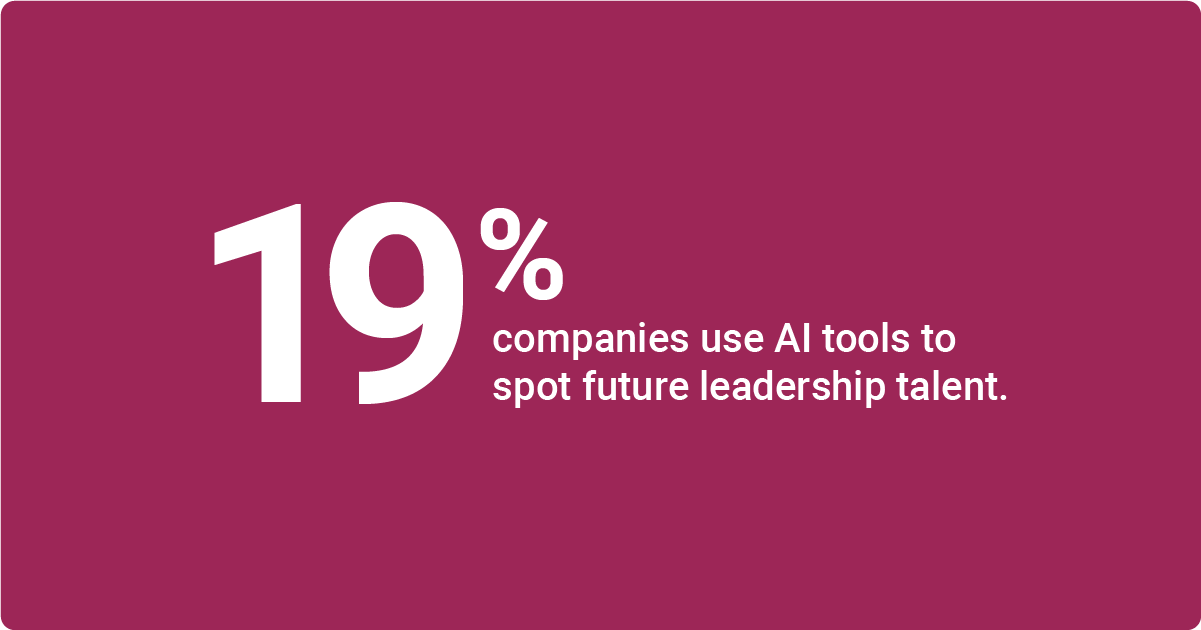
According to Korn Ferry’s TA Trends reportOpens in a new tab, 19% of companies use AI tools to spot future leadership talent. Bench strength analytics can also help you measure the depth of your talent pool.
Rather than improving the existing succession planning process, it gives you something new: a continuous behavioral signal that revolutionizes the process. If you want to know who your next VP is years before anyone else does, that's where to start.
Succession planning tools at a glance
- Workhuman® combines recognition data, social feedback, talent reviews, and behavioral data to modernize the entire succession planning process.
- iMocha uses AI-driven skills matching and predictive analytics to help organizations identify and train successors.
- Plum uses psychometric assessments and behavioral data to predict performance in leadership roles.
- SAP SuccessFactors is a human experience platform that uses AI to flag people with leadership potential.
- Cornerstone OnDemand unites succession planning and professional development in one platform.
- TalentGuard uses competency-based assessments and dashboards to surface hidden talent.
- Dayforce is an all-in-one HR and payroll platform that analyzes workforce data to measure promotion readiness.
- PeopleFluent is an enterprise-grade succession planning software with robust analytics and visualization tools.
- ChartHop offers scenario planning and org charting for more agile succession modeling.
- PerformYard is a lightweight option for small businesses that want to use reviews to inform succession decisions.
- UKG Pro uses AI and predictive analytics to improve succession planning for enterprises.
- ELMO Software helps universities and other midsize organizations plan leadership succession.
- Deel is a global HR platform that supports cross-border career development.
1. Workhuman
Workhuman isn't technically succession planning software. Instead, it is the technology that will modernize – or even replace – your traditional succession planning gauntlet.
Succession planning software and processes tend to surface the obvious names: the people already on everyone's radar. Workhuman takes a different approach. Unlike a traditional succession process, it cuts to the chase and gives you something that process can't: behavioral and leadership signals, flowing in real time, that show you who will be ready to lead years before promotions happen.
While the rest of your organization is debating nine-box grids, Workhuman will already have surfaced the people most likely to become your next senior leaders, and you’ll already have taken the steps to keep and develop them.
Workhuman's Human Intelligence™ platform analyzes recognition patterns, peer feedback, manager input, and skills data to help you understand each employee's behavioral strengths and organizational impact. Because the data flows continuously, you're not waiting for annual reviews or a complicated succession planning process to tell you something you could have known years ago.
This crowdsourced evidence allows HR leaders to make less biased talent decisions. You might assume that a certain employee wouldn't excel in the boardroom — but their peers have been consistently recognizing their project management and mediation skills for two years. By paying attention to those signals, you can recognize leadership potential that would never surface in a traditional succession process.
As you build your roster of budding leaders, support their development with Conversations®. This module lets managers and employees have structured, ongoing chats about goals. Anyone can request feedback at any time, empowering your team to take initiative. Continuous coaching helps prepare employees to take on new roles while recognizing them for everything they accomplish along the way.
For organizations focused specifically on the executive pipeline, Workhuman's Future Leaders capability goes further. Powered by Ascend, Workhuman's proprietary AI model, Future Leaders identifies mid-career, high-potential employees most likely to rise to VP-level and above — four years before promotion decisions are typically made.
It does this by decoding your organization's unique Leadership Genome: the behavioral patterns, collaboration signals, and contribution markers shared by employees who have actually risen to senior roles in your company. Rather than surfacing who managers already favor, it surfaces who the data says is ready.
Future Leaders is not a succession planning tool — it's what makes succession planning smarter.
Of course, as your organization grows, the signal gets harder to see. Workforce planning becomes more challenging. Workhuman is built for enterprise complexity. It serves over 180 countries and more than 30 languages. Even if your team is scattered around the globe, you can still see and develop each member's potential.
Workhuman also integrates with major human resources information systems (HRIS), including SAP SuccessFactors and Workday. Combining these tools lets you sync recognition and feedback data with your existing talent review workflows. You get all the benefits of Workhuman's signals to augment and modernize an existing succession process. It's a win-win.
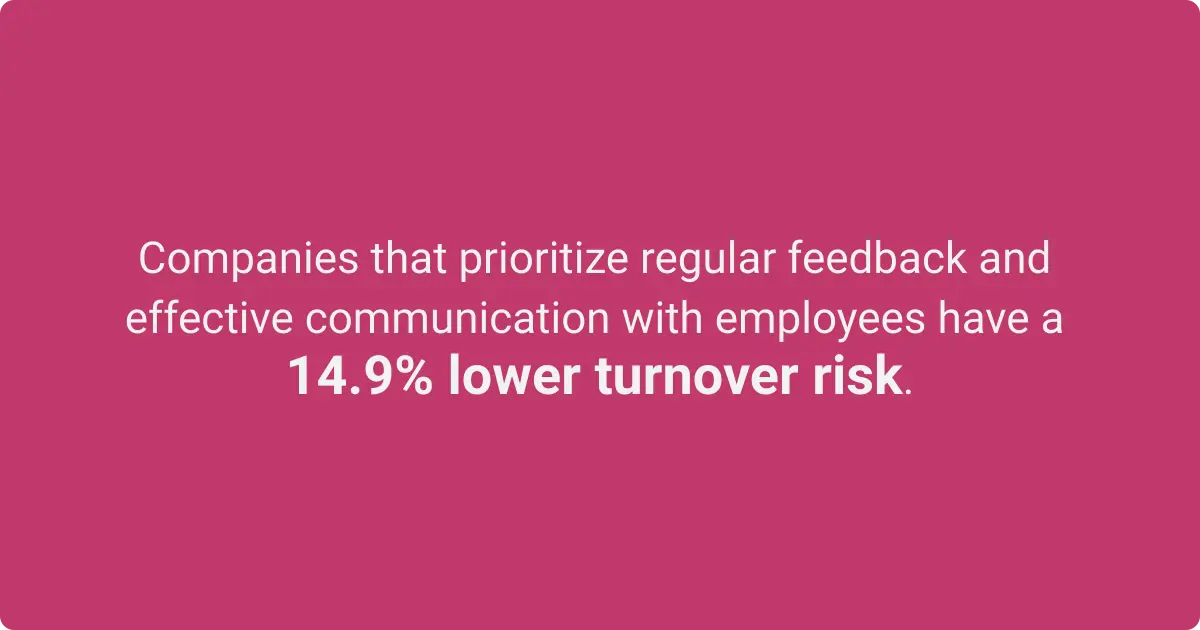
Clients partnering with Workhuman often see measurable gains in employee retention and internal mobility. At LinkedIn, 96% of employees who receive more than four Bravo! awards stay with the company. Likewise, Morgan Truck Body LLC reported that over 90% of its locations that properly used the recognition program internally promoted more people than the company average.
These metrics demonstrate how using recognition and feedback data to develop future leaders can lead to tangible business results.
Workhuman offers custom pricing for mid-market and enterprise organizations, and the benefits go far beyond leadership visibility. It also has the industry's only return on investment (ROI) guarantee, so you can try it risk-free.
2. iMocha
iMocha is a top AI succession planning solution that maps an organization's skills and reveals talent gaps. It helps you match the right people to the right roles based on their abilities, not gut feelings.
This platform uses AI-powered inference technology for skills inventories. It creates a profile for each employee based on skills assessments, certifications, resumes, learning data, project performance, and other data. For instance, someone with an AWS Certified Cloud Practitioner certificate should understand data migration.
iMocha analyzes these skills profiles for gaps in your organization's toolkit. It also uses predictive analytics to forecast future needs. These tools can help you proactively identify and train successors.
Say that only a handful of your managers have strong conflict resolution skills. You could ask them to mentor entry-level employees with moderate skills in that area, creating a pipeline of future mediators.
The software maps adjacent skills, too. Use it to spot hidden talent pools and nudge people up the career ladder. A graphic designer with a knack for social media marketing could become your next content strategy leader.
iMocha is a solid option for organizations focusing on critical skills development and talent mobility. However, it doesn't disclose pricing online.
3. Plum
Resumes don't always tell the full story about people's skills. With Plum, you can use behavioral science and advanced analytics to see if someone has leadership aptitude before and after hiring.
This software relies on psychometric assessments to predict performance. Standardized tests measure each candidate's behavioral style and durable skills, with these traits mapped onto your job description to help you find the right fit.
Plum's science-backed methods reduce bias in talent assessment and succession. Making decisions based on objective data and potential is much fairer than relying on your gut or simply promoting whoever has worked at your company the longest.
This platform doesn't disclose its pricing. It also focuses narrowly on skills and behavior, so you'll need to invest in separate software for feedback and recognition. Consider this option if your organization is invested in skills-based hiring.
4. SAP SuccessFactors
SAP SuccessFactors is a human experience management suite built for complex organizations. It uses AI to assess and compare potential successors, so you can find the best internal talent for key roles.
It starts with skills inventories. SAP SuccessFactors automatically tracks each employee's abilities and recommends opportunities to improve them. Team members can also set their career aspirations in their growth portfolios. This helps you spot people itching for new responsibilities.
Manager view turns these growth profiles into tables, so you can see all your employees' skills at a glance. Are you looking for your next product manager? Compare your team's industry knowledge and time management. If you're preparing to promote a new team lead, focus on soft skills like communication. These visualizations help quickly identify potential successors.
Other key features include:
- AI-assisted goal setting
- Automated learning recommendations
- Custom development plans
- Drag-and-drop organization charts for succession planning
- Opportunity marketplace with assignments, seminars, mentors, and internal job postings
- Skill matching for leadership roles and mentorship
SAP SuccessFactors is a good choice for medium and large businesses looking for all-in-one, scalable talent management that's compatible with their HR backbone. Contact the vendor for pricing.
5. Cornerstone OnDemand
Great leaders are created, not born. Cornerstone OnDemand focuses on development-driven succession to help you identify and nurture future leadership. It compiles this data in visual talent dashboards.
Succession snapshots are one standout feature. The software rates employees based on performance, potential, impact of loss, and other key metrics. It uses this data to create bench-strength dashboards and performance/potential grids. These visual tools track the readiness of potential successors. For instance, an employee who earns new certifications could get bumped from "develop to the next level" to "future leader."
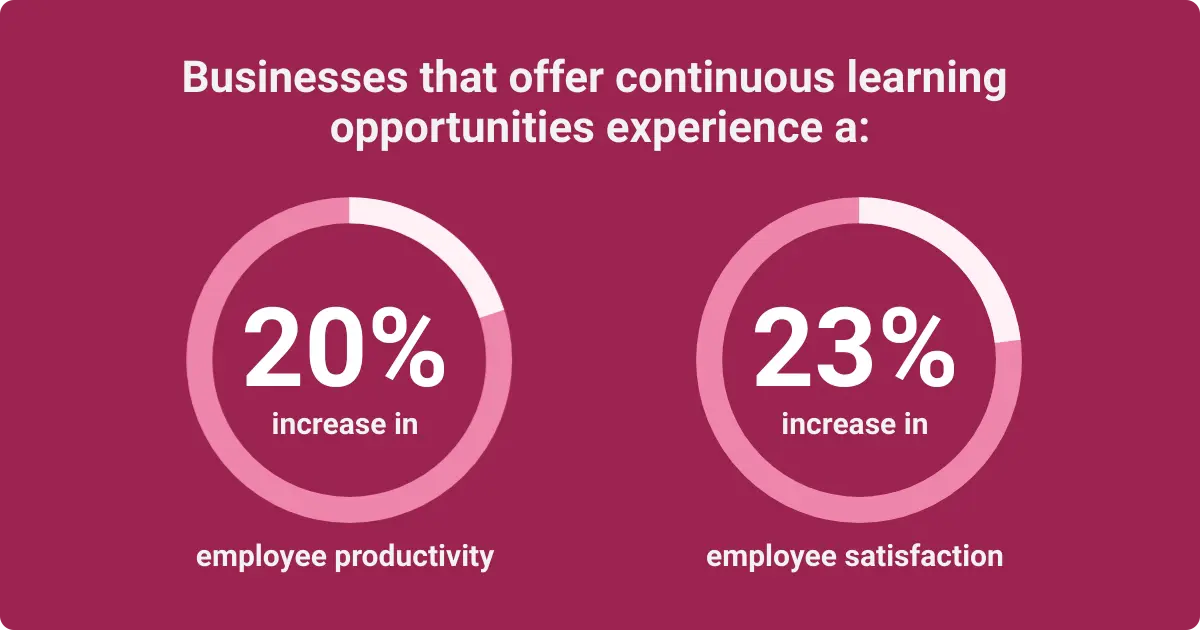
Cornerstone OnDemand also ties succession to personalized learning pathways. Offer coaching and upskilling opportunities based on where you want employees to grow. If you're not sure what skills they'll need, AI can suggest must-have skills.
This succession planning platform is a good option for small and mid-sized businesses focused on skill development. It doesn't publish pricing.
6. TalentGuard
TalentGuard is an enterprise-level talent intelligence platform for career pathing and succession planning. It uses AI analytics and skills data to build talent pools and help you find the perfect internal candidates.
This software uses competency-based assessments to measure and verify employee skills. It turns this proficiency data into real-time succession dashboards.
These visuals let you compare each team member's abilities to core job and leadership requirements. For example, you could search for your strongest problem-solvers and see if they're ready for more advanced roles. Or identify diamonds in the rough who would excel with a little extra mentorship.
This software is useful for organizations that want to make data-driven development and succession decisions. It offers several bundles with different features, but you'll need to schedule a demo for pricing info.
7. Dayforce
If you're looking to upgrade all your HR technology, consider an all-in-one platform like Dayforce. This HR and payroll platform uses advanced analytics and real-time data to support succession planning. It's designed for midsize to large businesses that don't want to juggle lots of software.
Dayforce uses people analytics to automatically score promotion readiness. It brings together HR, payroll, and performance data in one connected system. This helps you see the full picture and make faster decisions.
Suppose you want to bring on another customer service manager, but you have a tight budget. By analyzing compensation and performance data, you can choose the best internal candidate. And the money you would have spent recruiting and onboarding someone new stays in your organization.
It also helps prevent bias in succession planning. Maybe Brad has gotten promoted three times with major pay increases. His coworker Jessica has similar skills, but she works remotely. Her manager mostly communicates with her through Slack messages, so he keeps overlooking her. Bringing Jessica to the front of the pipeline helps level the playing field.
Here are a few more notable features:
- Advanced analytics
- AI-assisted career pathing
- Customizable reports
- Data visualizations
- Personalized learning content
- Real-time updates
Dayforce has custom pricing based on the number of employees and features.
8. PeopleFluent
PeopleFluent offers enterprise-grade tools for succession planning and talent management. It caters to complex, regulated industries, including energy, healthcare, manufacturing, and pharmaceuticals.
This software stands out for its advanced analytics. It tracks performance and competencies in real-time, making it easy to spot leadership potential. It also uses predictive analytics to identify top talent at risk of leaving. A well-timed promotion or even just a special project could convince these flight risks to stick around.
PeopleFluent uses your people data to create data visualizations. It builds nine-box grids, which sort employees into nine categories based on their performance and potential. Organizations often use these visual matrices for talent reviews and succession planning. For example, someone who scores high in both areas may get fast-tracked for leadership roles.
This platform has a learning hub, too. It allows you to create custom courses or bring in third-party content. As your employees beef up their skills, PeopleFluent tracks their progress. It also flags skill gaps, so they know where to focus.
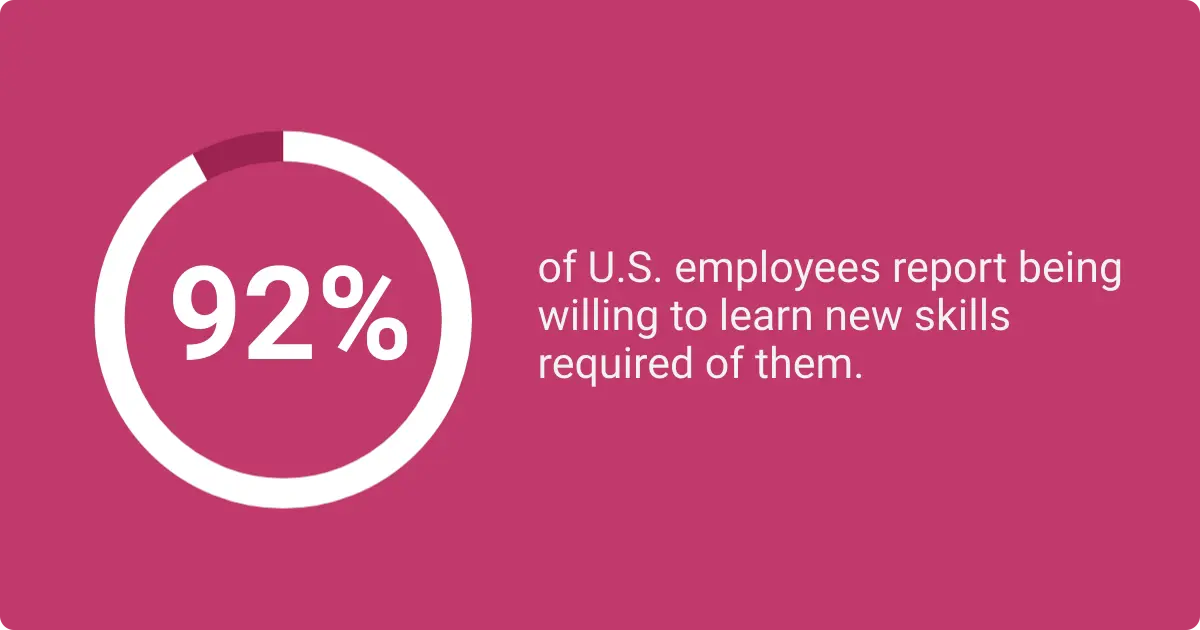
With its robust analytics, PeopleFluent is suitable for global and multi-jurisdictional organizations. Reach out to the sales team for custom pricing.
9. ChartHop
Leaders often move on at unexpected (and not always ideal) times. ChartHop helps you stay flexible with dynamic org charting and headcount forecasting tools.
Scenario planning is one of the platform's most notable features. It uses interactive tools to help you visualize how changes would affect your workforce readiness. For instance, you could test what would happen if your chief financial officer (CFO) leaves, or you combine your marketing and sales departments.
ChartHop also models your workforce with color-coded organizational charts. Use these visuals to see relationships between teams and departments. You can also filter them by role and length of employment at your company. These visuals help you see previously unnoticed gaps and understand your talent pool.
Data security is another notable feature. ChartHop integrates with Google, Microsoft, Okta, SAML v2, and other major identity platforms. Connecting these platforms lets you collect a steady stream of data for faster analysis.
ChartHop pricing starts at $5 per employee per month, with additional fees for headcount planning.
10. PerformYard
Small and medium-sized businesses (SMB) need flexible talent review solutions that don't require much legwork. PerformYard checks all these boxes. It's a lightweight platform that ties succession planning to reviews and performance management. Automation and AI keep everything moving smoothly.
Start by using this software to run review cycles. Managers and employees can schedule regular check-ins to discuss goals and progress. Peers can also review each other for 360-degree feedback, giving you a more nuanced look at your team's strengths and skills.
PerformYard uses the data from review cycles to automatically create nine-box grids. These visuals help you see future leaders and people on the path to growth. For instance, someone with high potential but low performance may thrive with more structure.
This software directly integrates with major HR systems, including BambooHR and Workday. That makes it easy for smaller teams to set up and use. It's also affordable, with pricing starting as low as $5 per employee per month.
11. UKG Pro
UKG Pro is a human capital management platform for global enterprises. It uses predictive analytics to forecast future workforce needs and leadership outcomes based on real-time data. These insights give you time to prepare for leadership transitions.
Use this platform to build talent pools for different roles. It analyzes performance and readiness metrics to auto-recommend successors for leadership roles. AI also offers personalized coaching for employees who aren't quite ready to move up. As your team builds its skill sets, your talent pool will start to look more like a deep reservoir.
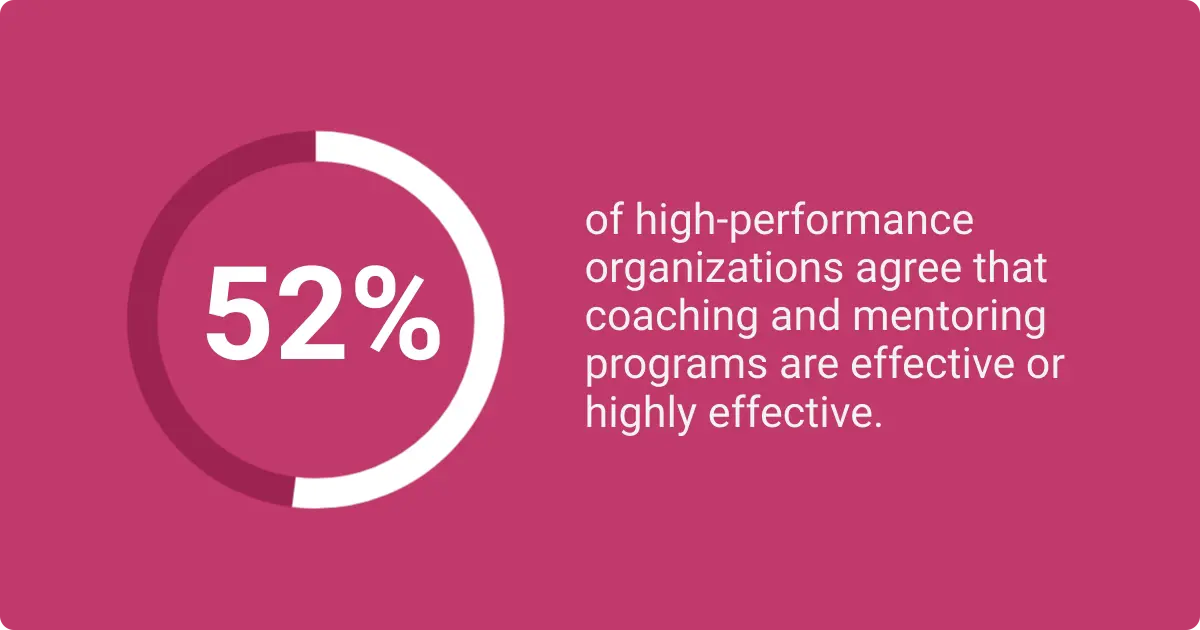
UKG Pro integrates with common HR and payroll systems. Other selling points include:
- Easy scalability, no matter how many employees you have
- Performance dashboards and scorecards
- Personal development plans
- Retention predictor
- Scenario testing
- Skills gap analysis
The platform doesn't share pricing information online.
12. ELMO Software
Maybe you only need a handful of succession planning tools, not a full-blown HR system. ELMO Software's modular approach lets you pick and choose the features you pay for. It's a good option for midsize organizations with modest budgets.
Based in Australia, the vendor specializes in localized succession planning for educational institutions. The platform tracks staff certifications, so you can make sure everyone has the right credentials. You can also assign training with ELMO Learning to comply with local teaching requirements.
Companies in other industries can also benefit from this platform. It lets you assess your employees' skills and create custom questionnaires to learn about their aspirations. Use this data to build talent pools and assign potential successors to specific roles.
Let's say an executive announced that they're retiring next year, and you have two replacements in mind. ELMO lets you create custom development plans and watch their progress. By the time your executive departs, you'll have a good sense of who should fill their shoes.
13. Deel
International and remote teams face unique challenges when it comes to succession planning. For example, remote employees often have less visibility, making it harder to recognize their potential. And how can you compare two potential successors from different cultures or regions?
Deel is a global-first HR and payroll platform that supports cross-border career development and workforce planning. It helps companies recruit employees and comply with local laws in over 150 countries.
Nurture your team with Deel's AI-powered career progression frameworks. These pathways show employees how they can climb the ladder in your organization, no matter where they live. The frameworks outline the necessary skills and resources for building them. This transparency makes succession planning more equitable.
Other core features include:
- AI-generated competency models
- Custom growth plans
- Engagement and pulse surveys
- Goal-setting
- Growth and employee performance analytics
- Headcount planning
- Learning management system
- Relocation assistance for cross-border career advancement
- Routine check-ins
Consider Deel if your organization hires across several countries. The platform's core HR package starts at $5 per employee per month. For more advanced features, you can tack on additional modules.
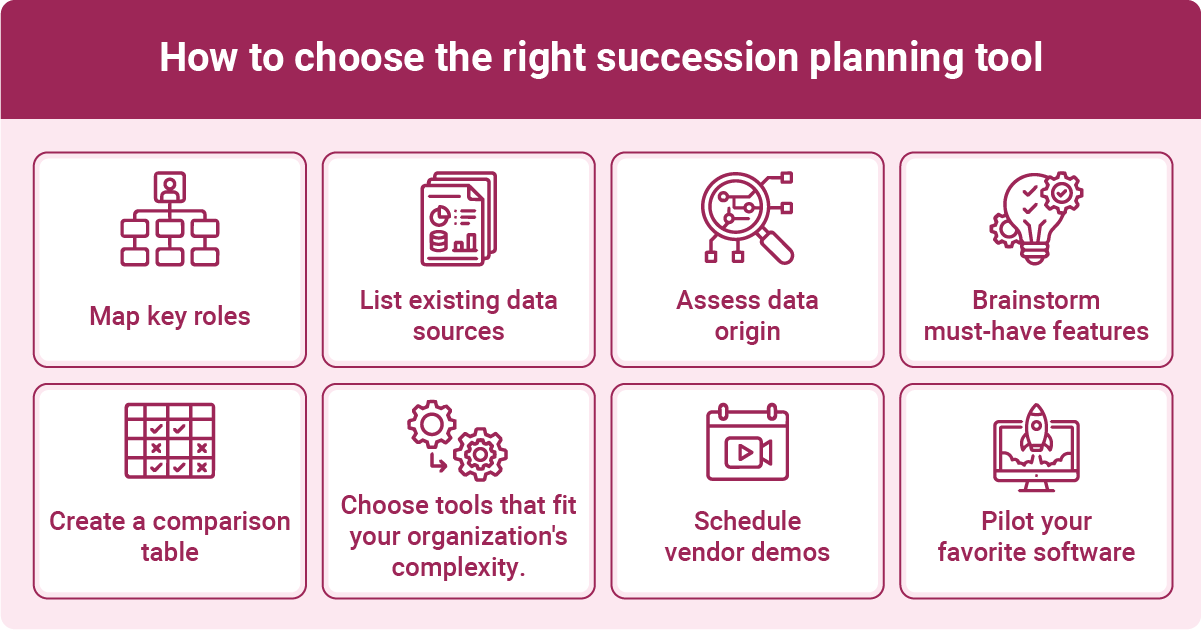
How to choose the right succession planning tool
It's not necessary to demo all the succession planning software solutions on this list. Not every tool will fit your organization. It all comes down to your goals and what you focus on as you build your pipeline.
These steps will help you narrow your options:
- Map out the key roles that keep your organization ticking, such as product managers and construction supervisors. Your chosen software should help you understand who could step into those roles if someone leaves.
- List the data sources you already have. These might include your HRIS, performance tracking tools, learning systems, and recognition software. If a vendor doesn't integrate with these data sources, cross them off your list.
- Ask where the data comes from. Assessments and manager nominations reflect opinions. Real-time behavioral data — from recognition, collaboration patterns, and peer feedback — reflects what's actually happening in your organization. The best tools draw on both, but the signal layer is what separates reactive succession planning from genuine talent intelligence.
- Brainstorm five to 10 must-have features. A sprawling healthcare system may need org charting to keep track of everyone, while a small business wants predictive matching for faster decisions.
- Create a table comparing each tool's key features, pricing, integrations, and potential drawbacks. That way, you don't need to flip between product pages endlessly.
- Look for tools that match your organization's complexity. Enterprises usually need scalable tools that mesh with all their tools and are capable of handling huge datasets. For SMBs, look for user-friendly software that doesn't make you pay for dozens of features you'll rarely use.
- Schedule vendor demos with your top three succession planning systems. Ask plenty of questions, such as, "Can you show me how predictive modeling works?" and "If we use AI for these performance reviews, how can we make sure they're not biased?"
- Pilot your favorite software with a single business unit. Use the test run to fine-tune your succession program and how you assess potential successors and link their growth to measurable readiness metrics.
Best practices for implementing succession planning software
Adopting succession planning software doesn't happen overnight, especially if your organization is used to hiring based on intuition. These tips will help you roll out your new system successfully:
Workhuman can help you build more equitable pipelines that develop and celebrate your top employees. See how recognition drives measurable ROI.
Frequently asked questions
What key features should I look for in succession planning software?
Focus on competency assessments, career pathing, readiness visualization, and scenario planning. These features will help you understand your team members' existing strengths and predict how they would do in leadership roles. You should also look for software that is compatible with performance and learning modules. That way, you can evaluate and improve readiness in one place.
How do succession planning tools integrate with existing HR systems?
The best succession planning software integrates with widely used HRIS, payroll, and learning management systems. Look for a platform that syncs data from these tools regularly, so you can keep your succession plans current.
What are the flaws in traditional succession planning software?
Succession planning tools are often slow, costly, and reactive — and they tend to surface the obvious names, the ones that already come up in annual performance reviews. By the time the conversation happens, your highest-potential talent may have already left.
The deeper problem is that traditional processes rely on subjective signals: manager nominations, performance ratings, tenure, and past titles. These methods are inconsistent and heavily influenced by visibility, recency, and bias. Genuinely high-potential employees get overlooked — not because they lack potential, but because no one has the data to see it.
Is there an alternative to traditional succession planning software?
Yes, it is possible to take a fundamentally different approach. Rather than identifying near-term replacements for known roles, you can use a unique set of signals to identify mid-career employees most likely to rise to VP-level and above, years before promotion decisions are typically made.
Workhuman Future Leaders does this by analyzing tens of thousands of behavioral signals across your organization to surface real patterns of leadership potential, replacing manager opinion with observable evidence. The result is a smarter, faster, and more objective way to build your executive pipeline — one that complements and modernizes any succession planning process.
What factors affect the cost of succession planning platforms?
Prices vary based on the features, number of employees, integration capabilities, and support services. Some vendors offer tiered or per-user pricing, while others use custom pricing for enterprises.
Which succession planning tools are best suited for small versus large organizations?
Accessible and flexible succession software works best for small to midsize businesses. These lightweight solutions let you make informed decisions without getting bogged down by too many metrics. For enterprises or global organizations, look for scalable tools with advanced analytics and scenario planning. These features allow you to play with different outcomes risk-free.
How can organizations measure the success of succession planning initiatives?
Reporting and analytics tools will help you track your success. Pay attention to key metrics like leadership bench strength, time to fill, number of internal promotions, vacancies, and retention rates.
Conclusion
The right succession planning software transforms leadership transitions from a reactive scramble into a proactive strategy for business continuity. Whether you need advanced analytics, skills assessments, or continuous feedback data, the tools on this list offer something for every organization and budget.
Before committing to a platform, map your key roles, audit your existing data sources, and pilot your top choice with a single team. When recognition and peer feedback are part of the equation, as with Workhuman, you can surface leaders that your traditional talent review might have missed. The best time to prepare for a leadership change is before you need it.

Ryan Stoltz
Ryan is a search marketing manager and content strategist at Workhuman where he writes on the next evolution of the workplace. Outside of the workplace, he's a diehard 49ers fan, comedy junkie, and has trouble avoiding sweets on a nightly basis.
Recommended for you