
2026 DEI Software: The 8 Best Inclusion Platforms Compared
by Ryan Stoltz
Last updated
11 min read

HR priorities rarely stand still. Business needs shift, expectations evolve, and even familiar terms can take on new meanings. Diversity, equity, and inclusion (DEI) is a case in point. As organizations rethink how they approach inclusion, the tools available to support those efforts are evolving, too.
Organizations looking to measure progress on inclusion and related initiatives have plenty of software platforms to choose from. But finding the right solution isn't always easy. DEI software is a broad category covering everything from talent sourcing and pay equity to inclusion analytics and bias interruption. While each offers valuable capabilities, grouping them under a single DEI umbrella can make it difficult to determine which solution best meets an organization's needs.
This article breaks DEI software into seven strategic categories and compares eight platforms based on the challenges they're best equipped to address. We'll also explore how to evaluate solutions, distinguish between tools that primarily generate reports and those that help inform decisions, and examine available pricing information.
What is DEI software?
Diversity, equity, and inclusion (DEI) software is a digital tool that can help organizations evaluate workplace representation and measure inclusion efforts, identify and reduce bias in hiring and decision-making, and support more equitable workplace practices, including those related to pay and promotion decisions. Some software platforms can also automate regulatory reporting and support compliance with requirements related to affirmative action and EEO-1, which require certain employers in the United States to submit workforce demographic data to the Equal Employment Opportunity CommissionOpens in a new tab.
The 7 categories of DEI analytics software and inclusion tools
DEI software generally falls into seven categories, with each addressing a different aspect of a documented DEI strategy:
- Inclusion analytics and measurement: Tracks workforce representation, belonging, psychological safety, and equity across the employee lifecycle
- Inclusive language and bias interruption: Identifies potentially biased or exclusionary phrasing in job postings, performance feedback, and internal communications
- Diverse sourcing and talent intelligence: Helps broaden talent pools and connect with underrepresented candidate groups
- Bias-aware hiring workflow: Supports structured interviews, standardized evaluations, and tools designed to reduce bias during hiring
- Pay equity and compensation governance: Analyzes compensation disparities, identifies potential contributing factors, and supports pay transparency reporting
- ERG and mentoring program management: Helps organizations manage, measure, and allocate budgets for employee resource groups (ERGs) and mentorship programs
- Accessibility and accommodations: Supports workplace accessibility, accommodation requests, and more accessible hiring processes.
Some DEI tools specialize in one of these categories, while others are part of broader people analytics platforms that address multiple organizational needs.
DEI software vs. inclusion software
While the underlying capabilities often overlap, organizations evaluating these tools may prioritize different approaches to inclusion, including:
- Moving beyond standalone program management
- Embedding inclusion-related functions within existing talent management systems, including applicant tracking systems (ATS) and human resources information systems (HRIS)
- Focusing more on measurable outcomes in areas such as hiring and promotion, and less on tracking initiatives
When looking for a software solution to meet your company’s specific needs, use both terms in search. Gartner’s “Diversity Equity and Inclusion (DEI) Tech Tools Reviews and Ratings” still uses the DEI terminology, while some vendors emphasize inclusion or belonging. If you limit your search to one term or the other, you risk overlooking the right platform for your company.
The 8 best DEI and inclusion software platforms
This comparison of the best diversity and inclusion software platforms considers the depth of inclusion measurement, how the tools help organizations act on data, integration with existing HR systems, and whether each platform addresses a broad set of challenges or specific needs. These platforms aren't necessarily interchangeable; the right solution depends on your organization’s size, priorities, and the challenges you are trying to address.
1. Workhuman
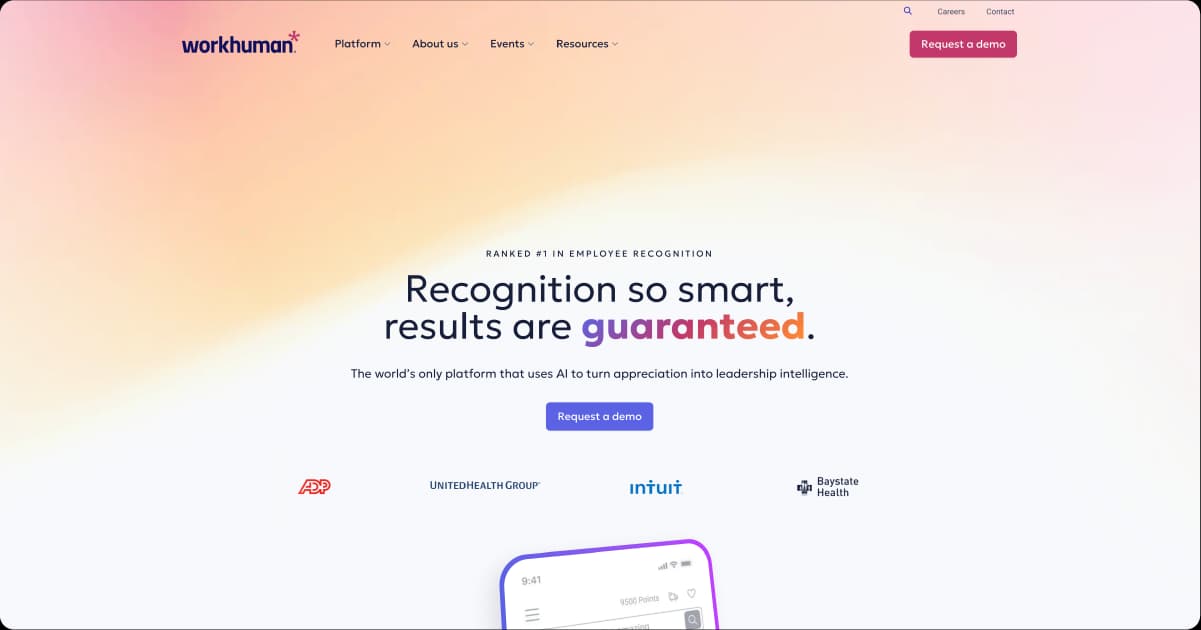
Best for: Enterprises looking to strengthen workplace inclusion through strategic recognition and gain deeper visibility into recognition patterns and employee connections.
Why it stands out: Workhuman brings together two capabilities that support workplace inclusion: helping employees recognize colleagues more inclusively and giving leaders visibility into recognition patterns that can reveal potential disparities across the workforce.
First, the Inclusion Advisor provides in-the-moment micro-coaching as employees write recognition messages. It flags potentially biased language, explains why it may be problematic, and suggests more inclusive alternatives without automatically rewriting the message.
Second, Human Intelligence® combines AI with first-hand recognition data to reveal how employees are recognized, where workplace connections are forming, and where potential disparities in recognition may exist. These insights complement traditional surveys by providing an ongoing view of behaviors and interactions across the organization.
Key features:
- Inclusion Advisor produces in-the-moment micro-coaching to help employees write more inclusive recognition messages
- Human Intelligence® combines AI with employee-generated recognition data to uncover patterns in collaboration, skills, performance, and potential recognition disparities
- Social Recognition® enables peer-to-peer recognition, reinforcing company values and inclusive behaviors
- Ongoing insights reveal patterns in recognition activity and workplace connections between periodic employee surveys
- Admin Hub offers reporting and program administration as well as visibility into recognition participation and trends
- Workhuman® iQ offers advanced analytics and expert research to help organizations understand recognition's impact on culture and business outcomes
Rewards available: Points-based rewards redeemable for merchandise, gift cards, travel and experiences, as well as charitable donations and non-monetary social recognition
Integrations: Workday, SAP SuccessFactors, Microsoft Teams, Slack, Oracle HCM, and ADP
Pricing: Custom pricing
2. Diversio
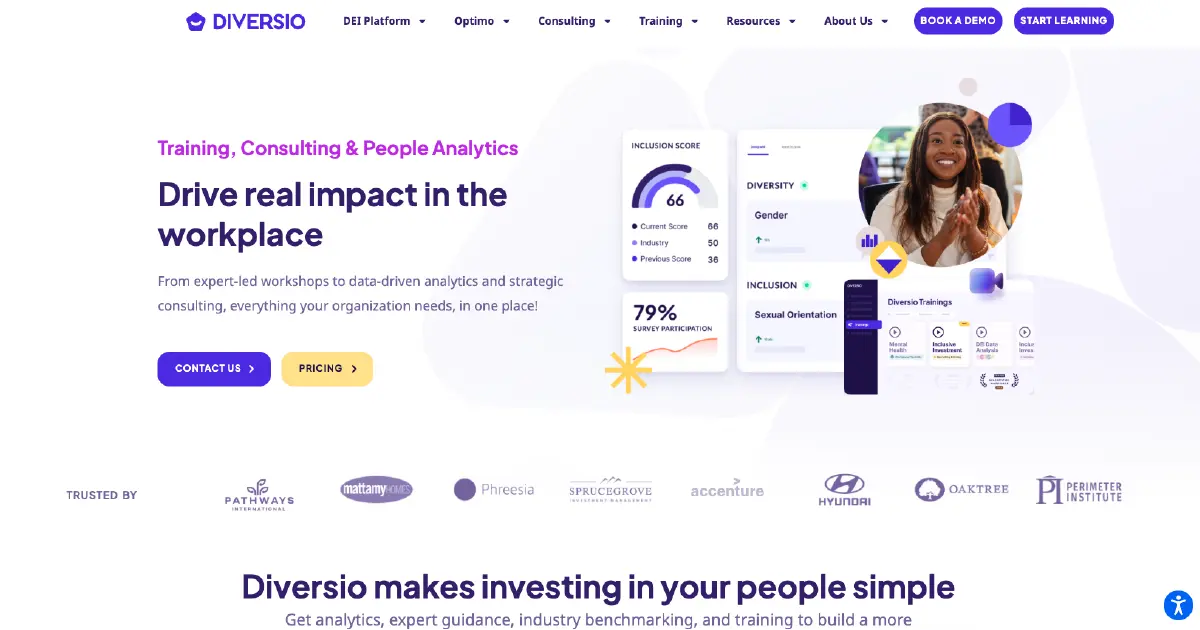
Best for: Organizations that want a dedicated DEI analytics platform for measuring inclusion, benchmarking, and reporting.
Why it stands out: Diversio is a DEI platform that openly publishes pricing. It pairs survey-based inclusion scoring with peer benchmarking and reporting capabilities, helping stakeholders to track progress and identify gaps.
Key features:
- Inclusion Framework scoring across areas such as company culture, workplace safety, and fair management
- Anonymous pulse surveys with inclusion scores by dimension, department, location, and demographic group
- HRIS integration for demographic and employee lifecycle data
- Department-level dashboards and organization-wide views
- Industry benchmarking against the national average and comparable companies
- Compliance-ready reporting for EEO-1 and ILPA ESG frameworks
Rewards available: No rewards
Integrations: HRIS platforms and survey and employee listening tools
Pricing: Publishes tiered pricing starting at $10,000 for Standard, $22,000 for Standard Plus, and $36,000 for Advanced, with custom packages available for larger organizations
Consider this platform if: You need a standalone inclusion measurement system with external benchmarking and can support consistent survey participation.
3. Culture Amp
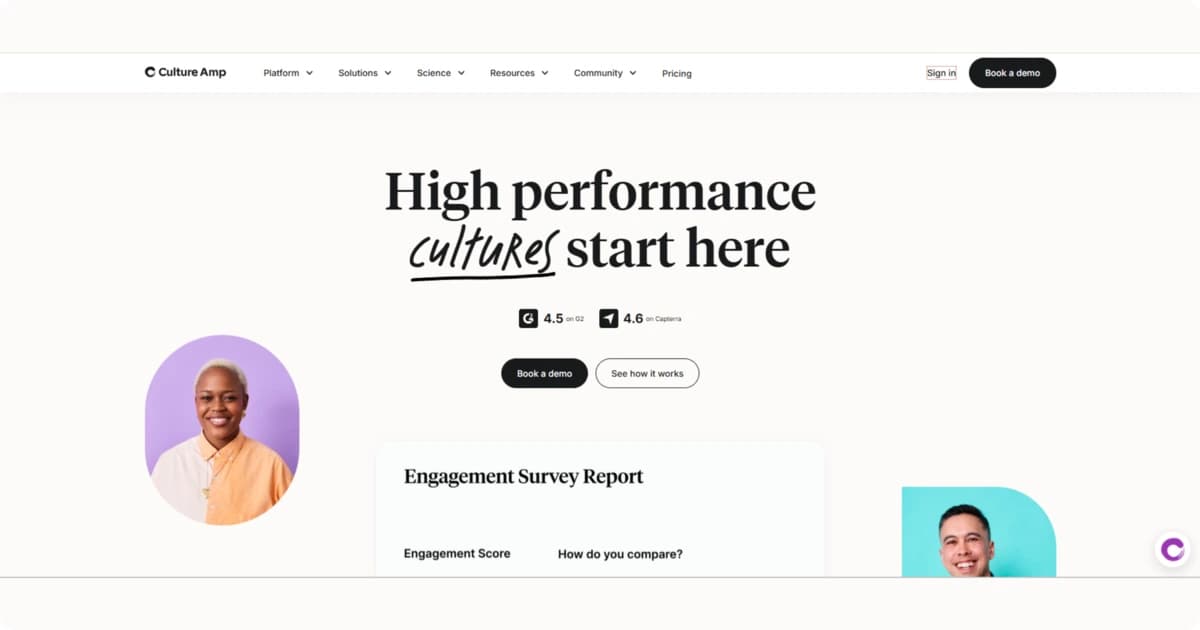
Best for: Companies looking for a DEI tool to measure inclusion inside a broader employee experience platform
Why it stands out: Culture Amp embeds research-backed inclusion and belonging questions into the same surveys used for engagement and performance. Inclusion scores can be viewed alongside retention and engagement data, helping organizations understand how inclusion relates to the broader employee experience.
Key features:
- Inclusion and belonging survey templates
- Team-level inclusion scores
- Manager dashboards routing findings to the appropriate people
- Demographic customization and heatmaps to highlight disparities in employee sentiment
- External benchmarks for engagement and inclusion measures
- Bias reminders prompting reviewers during performance evaluation
Rewards available: No rewards
Integrations: HRIS platforms and collaboration and communication tools
Pricing: Custom pricing
Consider this platform if: You want inclusion measurement to live alongside engagement and performance data.
4. Textio
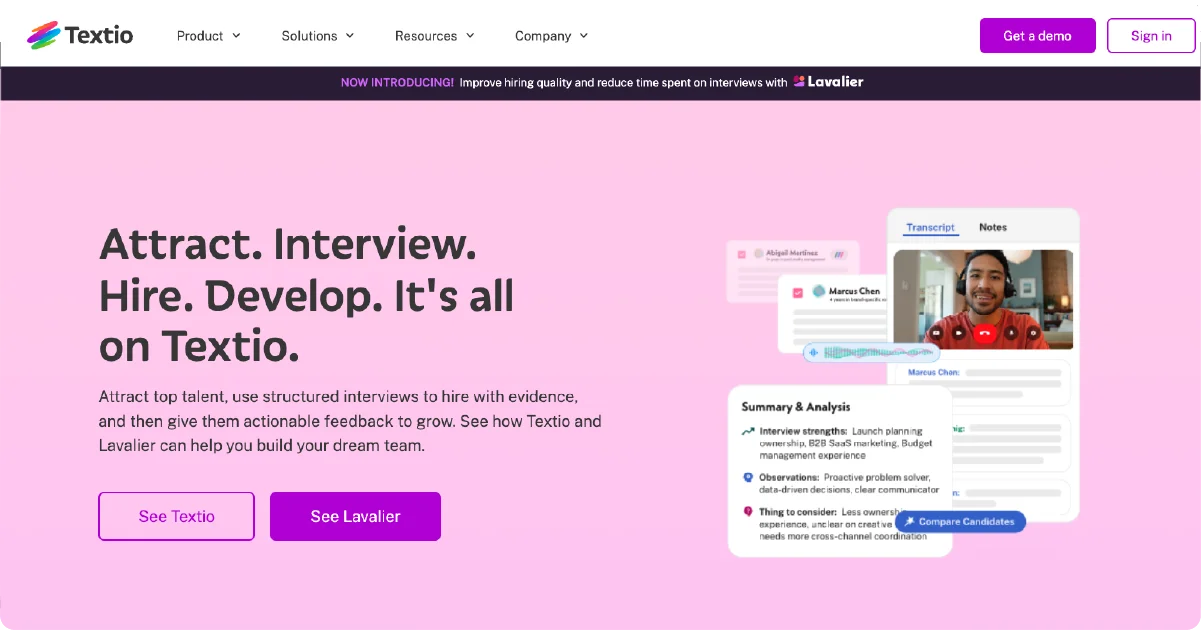
Best for: Talent acquisition and HR teams with inclusion gaps showing up in job postings and performance feedback
Why it stands out: Textio analyzes language in real time and flags gender-coded, age-coded, and exclusionary phrasing before it reaches a candidate or an employee. Its guidance helps organizations improve workplace communications without requiring a comprehensive DEI software platform.
Key features:
- Real-time inclusive language analysis and writing guidance
- Job description guidance
- Bias interruption for feedback and performance reviews
- Sourcing and recruiting message development
- Language analytics tracking organizational patterns over time
- Interview feedback guidance
Rewards available: No rewards
Integrations: Applicant tracking systems, HRIS platforms, and LinkedIn recruiting workflows
Pricing: Custom pricing
Consider this platform if: You want to identify and reduce potentially biased language in hiring communications and performance feedback rather than implement a broader DEI analytics or program management platform.
5. Syndio
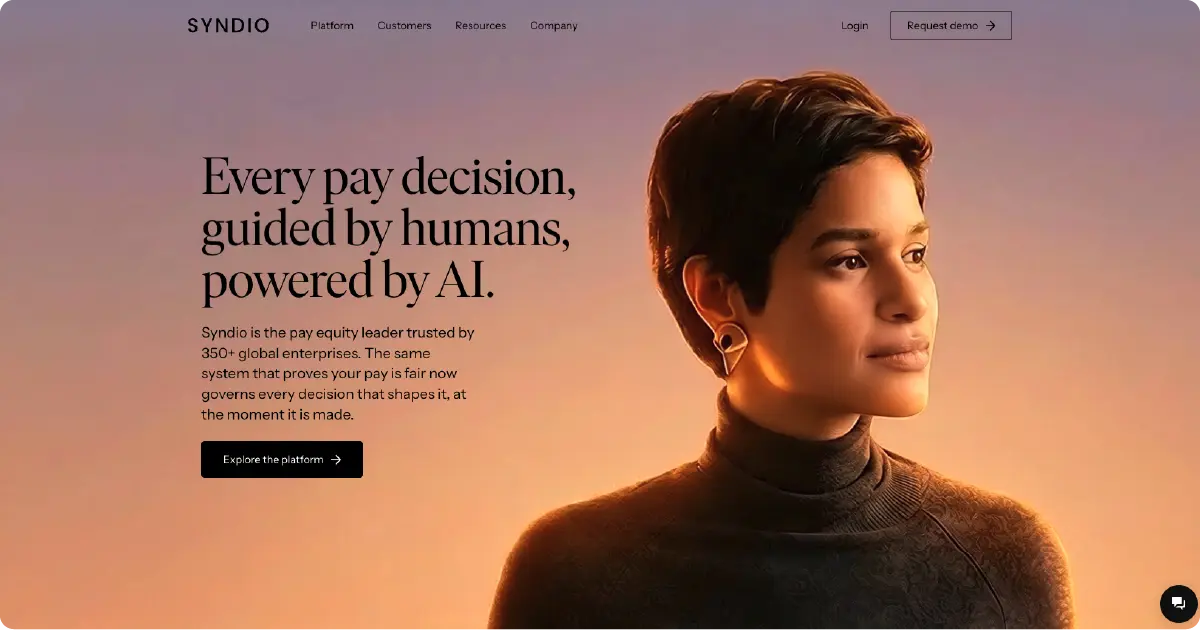
Why it stands out: Syndio treats pay equity as continuous analysis, and its root-cause analytics trace whether a gap comes from inconsistent policy application, manager discretion, or structural progression issues. Its analytics give compensation, legal, and HR teams a shared view of pay equity challenges and support more informed decisions.
Key features:
- Ongoing pay equity analysis
- Analytics identifying potential sources of compensation disparities
- Intelligence to support compensation decisions
- Disparity analysis across gender, race, ethnicity, and other demographics
- Opportunity and progression analytics
- Compliance and pay transparency reporting
Rewards available: No rewards
Integrations: HRIS platforms and compensation and payroll systems
Pricing: Custom pricing
Consider this platform if: Your inclusion roadmap revolves around pay transparency regulation or compensation-related legal exposure.
6. SeekOut
Best for: Enterprise talent acquisition teams seeing representation gaps that begin at the top of the hiring funnel
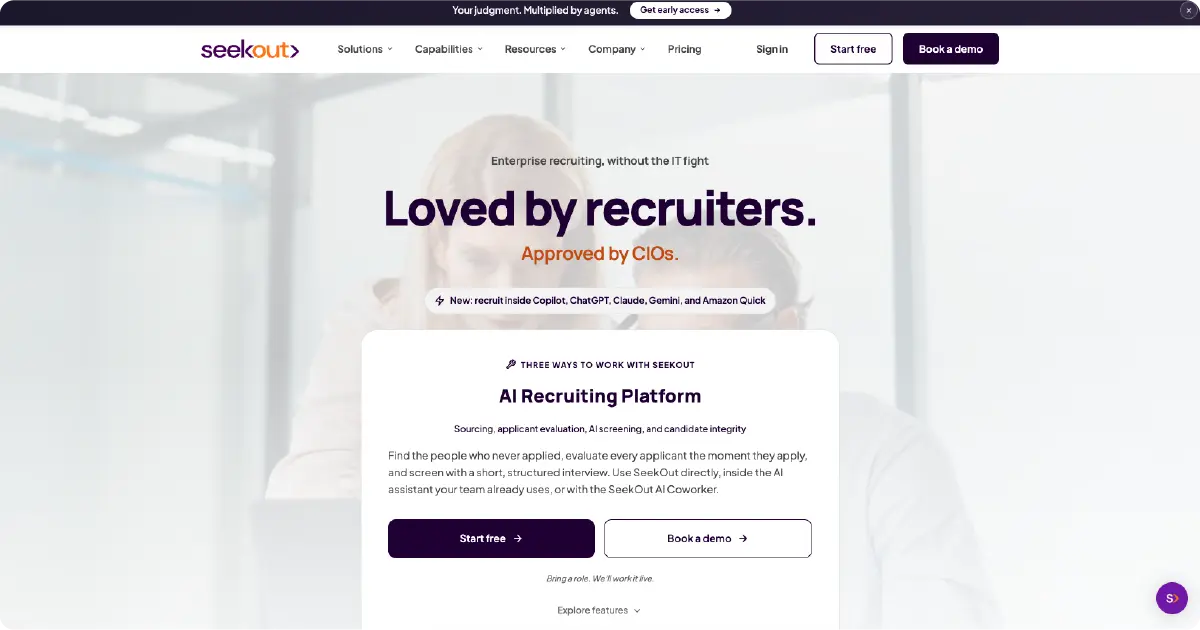
Why it stands out: SeekOut combines large-scale candidate search with screening controls in one tool. Teams can source, evaluate, and connect with candidates while using features designed to help reduce bias during the hiring process.
Key features:
- Talent search across a large candidate profile database
- Diversity sourcing filters to search for candidates from underrepresented groups
- Bias Reducer with blind hiring setting to hide identifying details during review
- Internal candidate identification for mobility and succession
- Tracking of representation across talent pools
- Sourcing directly from an existing applicant tracking system
Rewards available: No rewards
Integrations: Applicant tracking systems and recruiting and CRM workflows
Pricing: Custom pricing
Consider this platform if: You want to broaden candidate pools, improve representation in your recruiting pipeline, and support more consistent candidate screening.
7. Greenhouse
Best for: Companies that want fairness built into the hiring workflow instead of layered on top of it
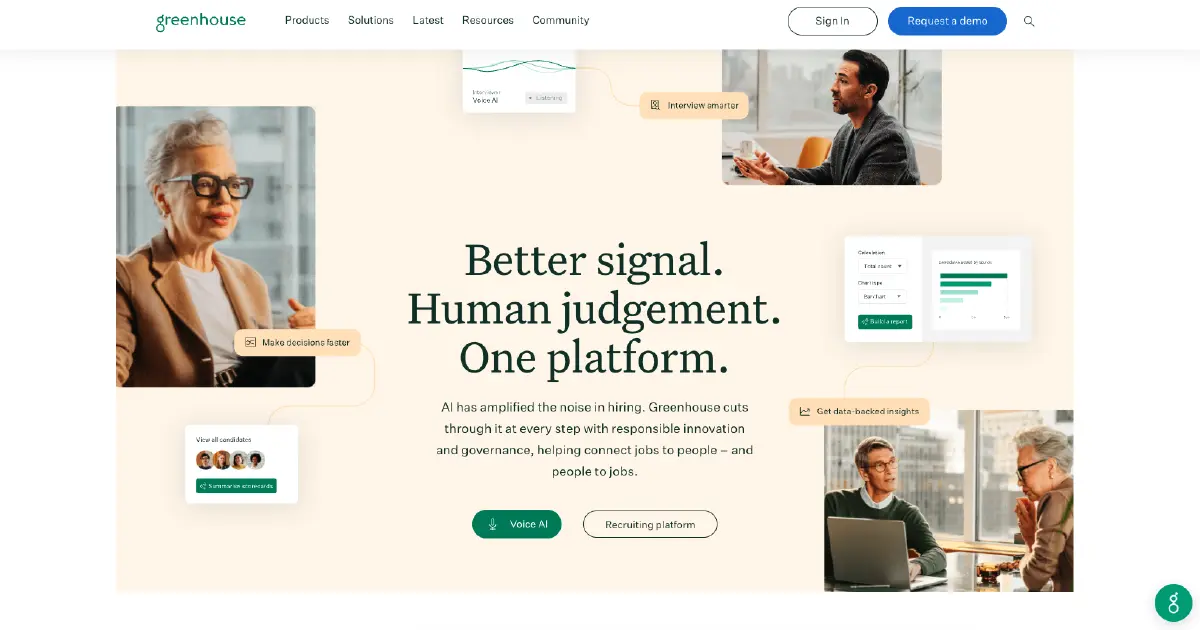
Why it stands out: Greenhouse helps organizations build more structured and consistent hiring processes through standardized questions, blind scorecards, and consistent evaluation. Bias reduction becomes an integral component of the hiring process and doesn't depend on individual training.
Key features:
- Anonymized resumes and scorecards during candidate evaluation
- Sourcing nudges to promote diverse talent pools
- Support to make interviewers aware of unconscious bias
- Inclusive job post guidance
- Custom demographic reporting and self-identification collection
- Funnel reporting to locate where candidates drop out
Rewards available: No rewards
Integrations: HRIS platforms, sourcing and assessment tools, and onboarding systems
Pricing: Custom pricing
Consider this platform if: You are replacing or upgrading your applicant tracking system and want inclusion built into the process.
8. Mathison
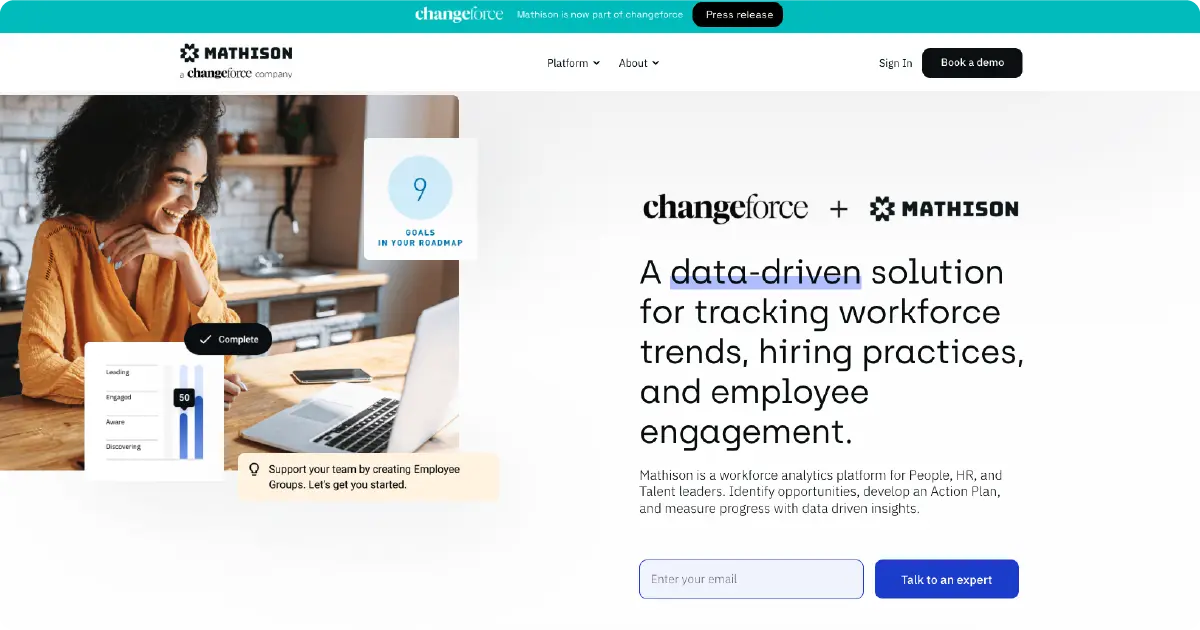
Why it stands out: Mathison's Equity Index helps organizations assess hiring practices and policies, and identify potential gaps across the recruitment process. Its measurement and action-planning tools can help HR teams establish hiring equity goals, track progress, and identify opportunities to improve recruiting practices.
Key features:
- Equity Index assessment of hiring practices
- Diversity action planning tied to identified gaps
- Sourcing from underrepresented talent communities
- Bias detection in communications, including job descriptions
- Real-time visibility into workforce demographics
- Trackable DEI goals with action steps and supporting resources
Rewards available: No rewards
Integrations: Applicant tracking systems and recruitment workflow tools
Pricing: Custom pricing
Consider this platform if: Your organization's leadership wants a single defensible number for hiring equity instead of a list of activities.
Comparison table
How to choose DEI software: 6 evaluation criteria
Before you try to nail down which DEI software you want, identify the specific challenges your organization needs to address: Are you trying to improve hiring and recruiting, or retention and culture? A lack of diversity and representation in your candidate pipeline requires different solutions than disparities in promotion rates for third-year employees. Answering this question will help you determine which of the following six evaluation criteria matter most.
1. What your inclusion data is actually made of
Determine what DEI metrics and other data you want to capture based on the DEI Survey questions you actually ask, and whether you want to identify ongoing patterns or capture a particular moment:
- Survey-based measurement captures employees’ stated experiences at a point in time and depends on participation rates, honest answers, and, often, survey design.
- Behavioral data can reveal ongoing patterns by analyzing recognition data and other employee activity, complementing survey findings.
Ask which types of data a platform uses and the depth of data analysis. For example, recognition data can be segmented to show differences in recognition frequency across demographic groups, including gender and race. Combining survey findings with behavioral data can provide a more complete picture of workplace inclusion and highlight potential disparities worth investigating.
2. Integration with your existing HR stack
- Ask about essential integrations with Workday, SAP SuccessFactors, your ATS, and your payroll and compensation platform.
- Confirm data flows in both directions where needed.
- Check whether your core HR platform already has inclusion analytics you aren't using.
- Budget for integration work, because implementation and data mapping are frequently priced separately.
- Confirm which regulatory reports the platform produces, including EEO and affirmative action tracking and any pay transparency reporting your jurisdiction requires.
3. AI governance and algorithmic bias auditing
Software vendors should understand how AI is reshaping DEI work and recognize the employment law risks involved when AI influences hiring, promotion, or performance decisions:
- Ask for evidence of bias testing and validation methodology, and get confirmation of how often it is repeated.
- Confirm accessibility and the existence of alternative workflows for candidates and employees who need accommodations.
- Require human oversight at decision points, and confirm the vendor can explain why the system produced a given output; for example, Workhuman's platform identifies words or phrases that may be perceived as biased, explains why they were flagged, and lets the writer recheck before sending.
- Explore whether the system makes direct changes or offers nudges, such as when 74% of Merck employees opted to change their recognition messages because the system flagged potentially biased language, according to “In-the-Moment Micro‑Coaching,” by Workhuman.
4. Analytics depth vs program management
Some DEI software tools tell you what's happening, while others help you manage initiatives. Not every platform performs both functions equally well:
- DEI analytics platforms help organizations understand what's happening, identify potential disparities, and track progress over time.
- Program management tools help you run employee resource groups (ERGs), mentoring, training, and initiatives.
Disappointment is a likely outcome if you buy one solution expecting it to do the same tasks as the alternative. Map which type of tool you need, and ask your provider whether your existing engagement platform or HRIS already covers the other features.
5. Participation, privacy, and employee trust
Accuracy and security are vital to protecting employee privacy and maintaining trust:
- Confirm whether the platform allows anonymous reports and how it prevents people from being re-identified.
- Check security certifications and regional privacy requirements, including SOC 2 and GDPR, especially for organizations operating across multiple countries.
- Explain to employees what data the platform collects and how you'll use it.
- Ask whether demographic data is self-reported or inferred. Self-reported data reflects how employees identify but depends on voluntary disclosure, while inferred data can introduce inaccuracies and bias.
- Ascertain how the vendor validates its insights, what sample sizes they use, and how the platform handles insufficient data.
6. Time to first usable insight
Survey-driven tools need a baseline cycle and often a second cycle to identify trends over time. Platforms reading existing behavioral or HRIS data can surface patterns much sooner. Choose based on your reporting obligations, such as a board commitment on a quarterly cycle.
How much does DEI software cost?
The price of a DEI platform depends on the size of your organization and the extent of the features it offers. Most enterprise-level vendors operate exclusively through custom quotes, so detailed pricing isn't widely available.
3 standard pricing models
Most diversity software uses one of three pricing models:
- Per employee per month or per year: Per-employee rates usually decrease as your headcount rises, so smaller organizations pay more per head. Point solutions and single-purpose tools often have this type of pricing, and according to “Best Diversity, Equity, and Inclusion (DEI) Software 2026Opens in a new tab,” by TrustRadius, rates start at $15 per user per month.
- Annual platform fees by tier: Mid-market and assessment platforms with more advanced capabilities, such as inclusion scorecards and benchmarking, usually require an annual fee instead of a per-seat charge. For example, Diversio has tiers starting at $10,000, $22,000, and $36,000.
- Fully custom enterprise quotes: Large organizations looking for full enterprise analytics and compliance suites can request quotes. Vendors don't publish specific rates, so look at the numbers you see online as starting points for negotiation instead of as a set price.
When thinking about price, remember that any particular tool is only one small piece of your overall DEI efforts.
Costs not included on the pricing page
Additional costs can significantly increase the overall investment in your software. For instance, “How Much Does HR Software Cost? Budget Benchmarks for SMBs in 2026,” by Capterra, says one-time implementation fees can range from a few hundred dollars to several thousand, depending on the complexity of the system.
Some of the extra costs you can expect include:
- Implementation, onboarding, and data integration work
- Data mapping from your HRIS, which scales with the number of systems with employee data
- Dedicated customer success or account management for enterprise tiers
- Bundled training or consulting
- Internal costs, including the analysis or HR operations time necessary to act on what you learn from the platform
All these costs can quickly add up, but connecting DEI initiatives to retention, employee engagement, and other business outcomes can help justify their investment. For example, according to Workhuman’s “5 Ways to Measure Wellbeing and Inclusion,” employees who strongly agree they receive the right amount of recognition are four times as likely to perceive their workplace as inclusive and seven times more likely to perceive it as equitable. These positive perceptions can help across an organization, for instance, reducing turnover.
FAQs
Does DEI software integrate with Workday, SAP SuccessFactors, and other HR systems?
Yes, some DEI software integrates with other solutions, such as Workday, HRIS, and employee engagement and recognition software. Before committing to a particular tool, check with the vendor about whether it's compatible with your existing HR tech stack.
How is employee demographic data kept private and compliant in DEI software?
DEI platforms may use security measures such as encryption, access controls, and data aggregation or anonymization to protect sensitive employee demographic information. Some also support voluntary self-identification and reporting safeguards designed to reduce the risk of identifying individual employees. Organizations should verify each platform's privacy protections and applicable regulatory compliance capabilities.
Is DEI software worth it for mid-size companies, or only for large enterprises?
DEI software is valuable for mid-sized companies, but many opt for an embedded tool rather than a dedicated platform. It can help HR leaders and teams with limited time and resources make more informed decisions and select from broader talent pools they may not otherwise access.
How do you audit DEI software for algorithmic bias?
Human oversight is crucial to ensure DEI tools aren't making biased recommendations. Some solutions have built-in self-audit features, but you can also work with a third-party auditor who will evaluate the algorithm and look for issues with bias. Ask vendors about their validation methods, bias testing procedures, and human oversight requirements.
How do you measure the ROI of DEI software?
To calculate the return on investment (ROI) of DEI software, subtract the total cost of the software, including implementation, training, and ongoing expenses, from the measurable financial benefits it generates. Divide that net benefit by the total cost and multiply by 100 to calculate ROI as a percentage.
Potential benefits to evaluate include improvements in retention, administrative efficiency, and other measurable workforce outcomes. However, organizations should distinguish between outcomes associated with DEI initiatives and those directly attributable to the software.

Ryan Stoltz
Ryan is a search marketing manager and content strategist at Workhuman where he writes on the next evolution of the workplace. Outside of the workplace, he's a diehard 49ers fan, comedy junkie, and has trouble avoiding sweets on a nightly basis.
Recommended for you