
Individual Development Plans (IDPs): A Step-by-Step Guide to Success
Last updated
8 min read

Table of contents
- What is an Individual Development Plan (IDP)?
- Benefits of creating an IDP
- Key components of an employee development plan
- Actionable steps to implement individual development plans
- Individual development plan examples and templates
- Tools and resources for creating an IDP
- How to determine the success of IDPs?
- Conclusion and implications
Share this article
No one starts at the top in any profession. Success requires training, mentoring, and experience. This means it’s your job as a manager to provide learning and development opportunities that ultimately benefit your business.
According to a LinkedIn article on insights that can help managers uplift the teamOpens in a new tab, employees are almost three times more likely to be engaged when they have these opportunities, which are outlined in Individual Development Plans (IDP).
What is an Individual Development Plan (IDP)?
An IDP focuses on both professional development and current job requirements as per the organizational objectives. It’s a roadmap for the future, designed around the individual’s goals, talents, and training.
Benefits of creating an IDP
IDPs benefit both the employee and the employer by providing a structured approach to growth within the organization. Rather than considering their current work environment as a means to an end, workers start looking at your organization as an opportunity to further their career within your company, which helps with succession planning and talent retention.
For employees
An IDP helps employees outline career objectives that align with the organizational development plan and encourage succession planning. Gen X and Millennials comprise a huge part of today's workforce, and most cite career development as an important part of their job satisfaction.
Personalized career development
Every IDP is tailored to the individual rather than the team. It focuses on the person’s aspirations, strengths, and needs. Employees benefit from a hyper-focus not only on the things they’re good at, but also on their own plan for their careers.
Ongoing feedback and support
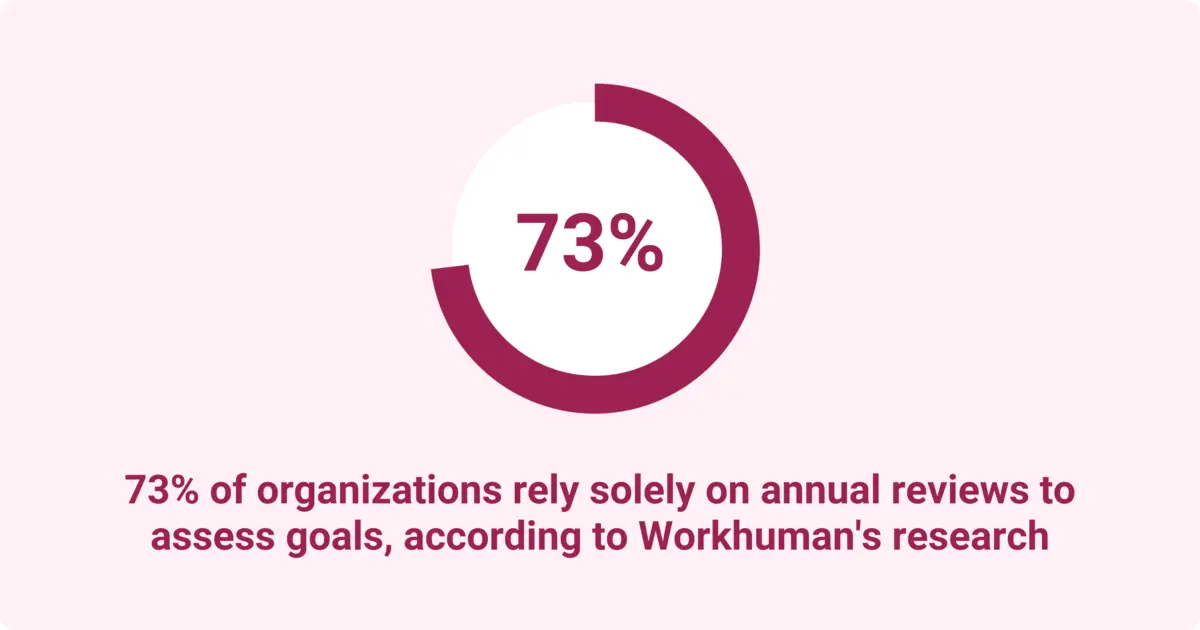
Regular feedback is crucial for team success, but Workhuman’s research shows that 73% of organizations only use annual reviews to assess goals. Using an IDP means that employees get feedback constantly, rather than once a year, shortening their path to their goals.
Increased motivation
When an organization makes the effort to invest in an employee on a focused, individualized level, they are more likely to invest their energy right back into the company. If you show loyalty to them, they send it back to you.
Alignment with organizational goals
An IDP is a two-way street. Employers who invest in helping employees grow and develop new skills can also ensure that these efforts align with company goals and objectives. In this way, the employee learns and grows to become qualified for their dream job while improving the company.
For employers
While an IDP is geared toward the employee’s long-term career plans and building the desired skills, it also benefits employers.
Enhanced employee performance
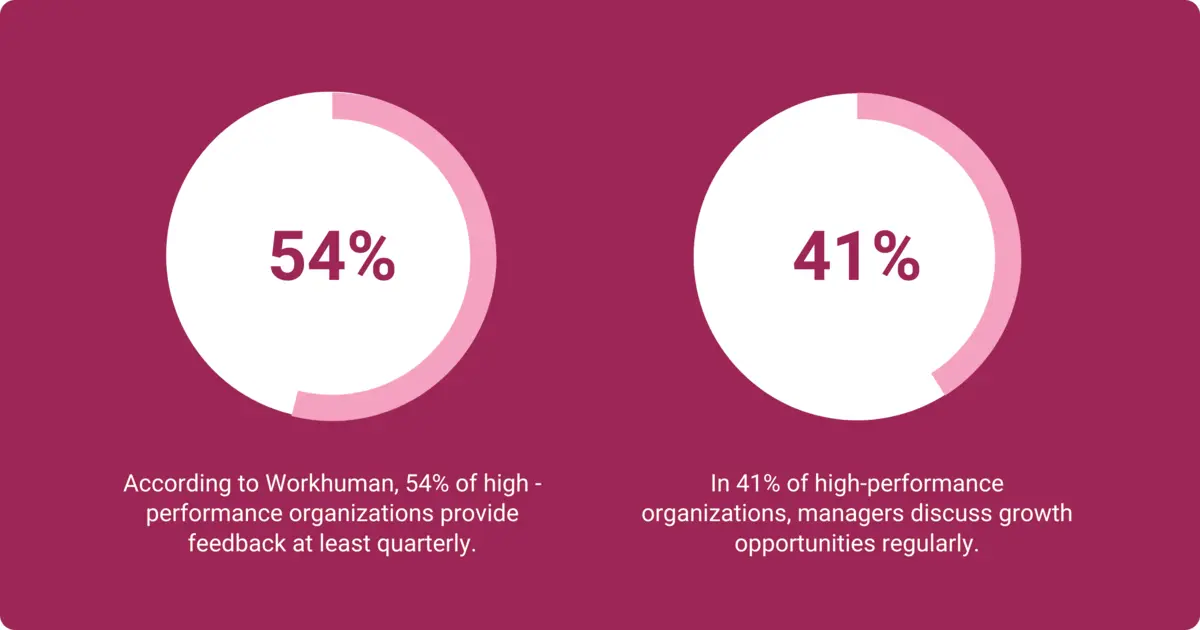
According to Workhuman, 54% of high-performance organizations provide feedback at least quarterly. In 41% of high-performance organizations, managers discuss growth opportunities regularly. An IDP is a huge part of enhancing employee performance.
Increased employee retention
Burnout is a common issue in the workforce. Gallup’s report on employee turnover and its prevention Opens in a new tab shows that 42% of turnover is preventable, yet managers and team leaders often overlook it. With an IDP, employees have clarity, empowerment, and skill development, all of which lead to increased job satisfaction. Career conversations and regular feedback improve employee retention rates.
Talent development and succession planning
IDPs help identify and develop high-potential employees through performance tracking, engagement, initiative, observations, and readiness for growth. With ongoing assessments and targeted development activities, employers can identify future leaders and set the stage for seamless transitions when necessary.
Adaptability and innovation
A key part of an IDP is continuous learning and development. The goal is to identify areas of improvement and keep employees growing to avoid stagnation and burnout. IDPs contribute to a culture of growth and innovation by empowering employees to take control of their future.
Key components of an employee development plan
Employee development plans vary between organizations and industries, but some key components stay the same. While each step can be tweaked or adjusted for individual employees, the following three factors give you a basic outline to follow.
Personal and professional goals
A strong IDP balances professional performance and personal goals. It’s important to set clear, achievable goals in both areas. For example, a good personal goal would be to find a healthy work-life balance. A helpful professional goal would be to obtain a certain qualification or certification.
Success criteria
As you design an IDP, ask yourself what success looks like. This provides clear, attainable outcomes you can celebrate as your employees achieve them. Focus on quantifiable key performance metrics so employees have concrete targets to work toward.
Action plan
Once you’ve designed the success criteria, flesh out the necessary steps to reach that goal. Add specific activities and actions that help the employee develop competencies and skills. These may include online courses, self-directed learning, workshops, or training programs.
Actionable steps to implement individual development plans
Now that you understand the concept of individual development plans, you can take direct action to implement them in ways that benefit the organization and your employees. These steps can be adjusted to better align with your goals and take into account any special skills or individual disabilities your employees have.
Step 1: Understanding your current employees' skills
First, create an employee skills assessment strategy. Evaluate your employees’ skills, strengths, talents, and areas for improvement. Use manager feedback, performance reviews, and self-assessment tools. While this is just a research activity, Workhuman’s research shows that many managers don’t have adequate tools or resources, or run into resistance from employees as they integrate feedback.
Use this opportunity to focus on the future rather than harping on the past. Highlight strengths and areas of growth for employees. By providing fast, frequent feedback, you can help them learn in a positive environment and create a culture of peer coaching.
Step 2: Identifying resources and development opportunities
Consider the resources and development opportunities you have for employees already. These may be company-sponsored training programs, industry networking opportunities, or peer-to-peer coaching. Most high-performance organizations invest in successful corporate mentorship programs to help employees meet their IDPs.
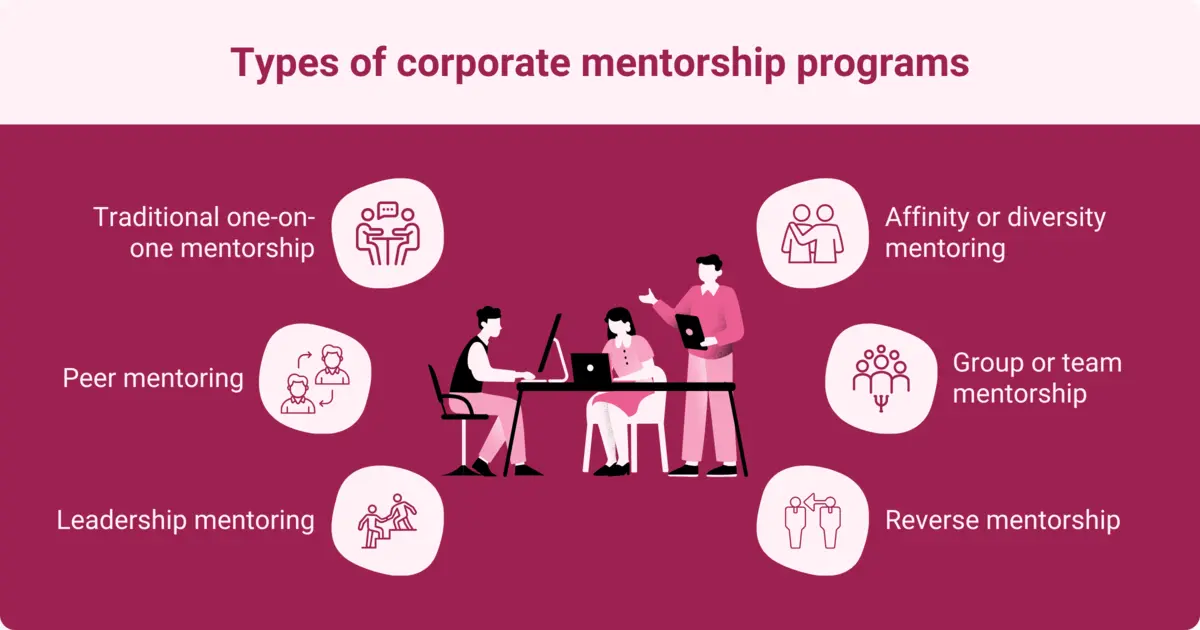
Types of corporate mentorship programs:
1. Traditional one-on-one mentorship
2. Peer mentoring
3. Leadership mentoring
4. Affinity or diversity mentoring
5. Group or team mentorship
6. Reverse mentorship
Step 3: Set clear guidelines and expectations
Focus on clear expectations and guidelines. This will help your employees develop goals and inform the entire team about what each person is working toward. If the individual development plan is too vague, it’s difficult to know when an employee has achieved something.
Step 4: Train managers and HR staff
Consider the people you already have at your disposal to help develop IDPs. Human resources staff and other managers may have particular skills that support individual development programs. As new generations enter the workforce, they come armed with new tools and ideas, and they can help you keep goals from stagnating.
Step 5: Setting timelines and milestones
An open-ended IDP is a recipe for a standstill. Establish milestones and timelines for completing each IDP stage. This helps the program stay on track over time and makes sure your employees reach their career goals and see progress frequently enough to keep them motivated and invested.
Step 6: Tracking progress
Finally, tracking progress and providing feedback are extremely important when it comes to an IDP. Not only does it help you keep things on course, but it also allows you to make adjustments as goals, objectives, and talents change over time. Monitoring progress also keeps every IDP effective and relevant to the current atmosphere and project.
Individual development plan examples and templates
Now that you have a grasp of the theory and actionable steps involved in developing an IDP, you’re ready to see some individual development plan templates across different industries and positions.
Example: Entry-level marketing employee
Professional goals
- Gain proficiency in software programs and systems used in marketing and finish the online certification within a year.
- In the next six months, help develop and execute one successful marketing campaign to highlight hands-on, real-life experiences.
Personal goals
- Create a structured daily schedule with time for personal activities to create a better work-life balance.
- Present reports in team meetings to improve communication skills and gain feedback.
- Schedule an actual lunch break, during which you take at least half an hour to eat and rest before tackling the afternoon.
Actionable steps
- Earn certification in Google Analytics within the quarter.
- Get feedback from a senior marketer and implement it into your plans to improve tactics and strategies.
Success
- Measurable, positive outcomes from two campaigns that the employee worked on.
- Six new contacts within the field, gained during conferences and other networking activities.
- Positive feedback for collaboration and good communication after several team projects.
Example: An employee transitions from the sales department to a human resources manager position
Professional goals
- Complete a certified HR course within the first three months to make sure the fundamental knowledge creates a strong foundation
- Shadow the outgoing HR manager for three to six months to observe information about policy management, employee relations, and HR operations.
Personal goals
- Read HR-related articles and books every week to develop a better understanding of best practices.
- Improve organizational skills during the transition by doing a deep dive into company-wide communication and tracking software.
Actionable steps
- Enroll in a certification program to acquire foundational knowledge
- Contact the current manager to set up a good time for shadowing
Success
- Managed one full recruitment cycle successfully with a solid understanding of HR responsibilities
- Earned positive feedback from HR leadership and team members about the new manager's contributions and the smooth transition from one leader to another
- Earned HR certification from an approved program
Example: High-level employee (CEO or CFO)
Professional goals
- Implement inclusion and diversity initiatives across the company to create an inclusive company culture.
- Meet with key stakeholders every quarter to strengthen investor relations and make sure your methods align with the company’s end goals.
Personal goals
- Dedicate 30 minutes each day to exercise or meditate to improve mental health and find a better work-life balance.
- Delegate more tasks, strengthen work-life balance to instill confidence in managers, and make time for personal commitments.
Actionable steps
- Plan a strategic retreat with senior managers to identify market expansion plans and long-term goals, and make sure that company objectives align with current practices.
- Prepare regular progress reports to share with stakeholders and investors during quarterly meetings.
Success
- Achieved 5% revenue growth over three months by implementing the strategic vision created by your team
- Fostered a more inclusive workplace, as evidenced by positive feedback on diversity initiatives, decreased employee turnover, and better work engagement
- Developed a larger global presence and successfully expanded into international markets
Tools and resources for creating an IDP
Tools
IDPs are optimized, tracked, and developed with the right resources and tools.
Self-assessment tools
Use reflective practice frameworks, journaling tools, and other available programs at your company to provide self-assessment to your employees. Self-assessment is one of the most important ways for your employees to recognize when an IDP needs to be adjusted, changed, or renewed.
Goal-setting templates
Try a goal-setting template like the SMART one:
- Specific: Goals should be clear and precise, leaving no room for ambiguity
- Measurable: Goals should include clear criteria to track success and progress
- Achievable: Goals should be realistic and attainable, accounting for your constraints and resources
- Relevant: Goals should align with the larger company objectives or personal goals, so they are meaningful
- Time-bound: Goals should have a clear timeframe or deadline
Other goal-setting frameworks you could consider include OKRs (objectives and key results), WOOP (wish, outcome, obstacle, plan), and HARD (heartfelt, animated, required, difficult).
Feedback tools
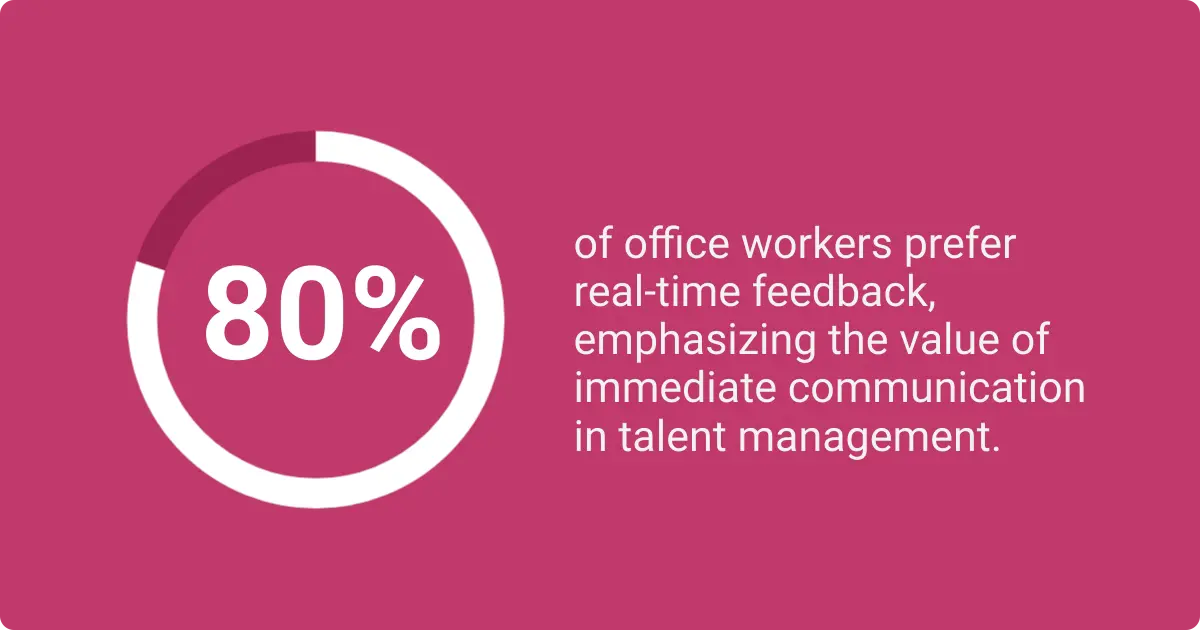
The importance of regular feedback can’t be emphasized enough. From real-time recognition moments to team awards, platforms used for feedback and recognition help decrease employee turnover and improve communication skills between team members.
Resources
There are thousands of articles and books on personal development with real-life examples of success for you to use. Invest in coaching and mentoring platforms to close the feedback loops and increase engagement within your team.
How to determine the success of IDPs?
Ultimately, an IDP is nothing if you can’t measure its success. The following are ways to determine how well each IDP is working and provide feedback for the IDP process itself.
Achievement of goals
Has the employee met the short- or long-term goals detailed in the IDP? Have they contributed to a project with measurable results? Have they completed the certifications they need? Have they made connections and networked as they hoped to? These questions are specific to the IDP and change based on the employee, but they should be easily identifiable from the goals in the plan.
Performance improvement
Consider how your employees have improved over time. Is their performance better? This information can come from measurable changes in Key Performance Indicators (KPIs), feedback from peers and managers, or performance reviews with immediate supervisors.
Skill development
Consider the skills and competencies the employees wanted to learn during the IDP. Have they achieved them? This may be something as simple as learning a new program or improving organizational skills.
Employee engagement and satisfaction
Your employees are your best source of information when it comes to satisfaction and engagement. Encourage employees to give feedback about their IDP experience and how it can be improved. Workhuman® has uncovered seven key ways to increase employee satisfaction:
- Effective leadership: Good leaders provide clear direction about where the organization is headed, but research shows that 44% of employees don’t understand the direction.
- Organizational trust: Employees want honest, responsible companies that are invested in improving the world around them.
- Supportive co-worker relationships: Work life is better with friends, so create an environment that promotes bonds between colleagues.
- Meaningful work: Employees want to know that what they do matters, and when work aligns with organizational values, 80% of workers report a better employee experience.
- Recognition, feedback, and growth: Regular appreciation combined with opportunities for professional development and growth make all the difference in employee satisfaction.
- Empowerment and voice: Employees who are included in decision-making feel empowered to brainstorm and generate ideas, which allows them to contribute to the organization's foundation.
- Work-life blend: Employees with flexibility and autonomy have a better work-life balance and feel happier at the office.
Conclusion and implications
When managers work closely with employees to align objectives and set achievable goals, productivity increases. Combine the intuition and intelligence of humans with the data collection and tracking done by AI, and you’ve got a winning combination for succession planning and employee retention.

Workhuman Editorial Team
More by Workhuman Editorial TeamRecommended for you