Equity in the Workplace: Creating Fair and Inclusive Work Environments
Table of contents
From entry-level employees to chief executives, everyone in your organization deserves fair treatment. That sounds like a straightforward, easily achievable goal every company should have reached by now. In reality, it's a complex process requiring careful planning, deep analysis, and thoughtful implementation.
So, how can you ensure that fairness applies to all employees in your workplace, and not just a select few? The short answer: equity in the workplace. However, you'll need a deeper understanding of what that term means and why it matters before you can truly create a more equitable organization.
What is equity in the workplace?
A truly equitable workplace treats employees fairly and respectfully while acknowledging and responding to their needs. Workers receive the same access to opportunities and resources, regardless of their backgrounds, because the company recognizes and removes the unique barriers they face.
How equity applies to work settings
Equity comes down to accessing opportunities, and in the workplace, that applies to getting a job, seeking a promotion, and receiving pay and benefits. To establish a fair and inclusive work environment, organizations must develop equitable policies and practices addressing issues such as hiring, promotions, compensation, and project assignments.
Leadership can foster a more equitable environment by modeling fair treatment during meetings, presentations, and conversations with individual employees. They should speak positively about Diversity, Equity, and Inclusion (DEI) efforts and facilitate or participate in training on topics such as unconscious bias.
Equity vs equality in the workplace
The words equity and equality sound similar, but they are separate concepts. Equality refers to giving all employees the exact same resources and the same opportunities, no matter what barriers they have. However, treating people the same isn't always the most effective way to bring about fairness.
Unlike equality, equity accounts for each employee's obstacles and privileges. People who have less access or more barriers may need additional support to take advantage of the same opportunities as their coworkers.
For example, imagine you implement a training program and reward employees who complete it with a pay raise. Everyone has to read educational materials and complete a test at the end, but one employee has dyslexia. To bridge the gap between equality and equity, an equitable employer would provide the employee with access to text-to-speech software.
How to demonstrate workplace equity with examples
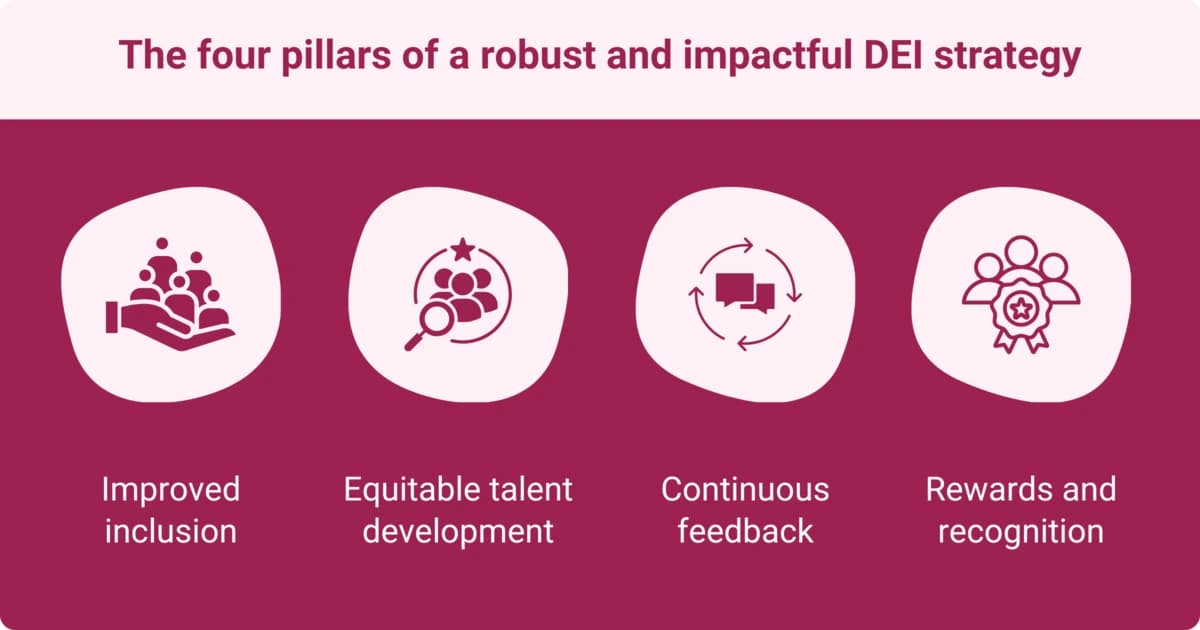
A successful DEI strategy rests on four pillars – improving inclusion, creating equitable talent development, offering continuous feedback, and providing rewards and recognition. Giving equal attention to all four helps you develop a more equitable workplace.
Inclusive hiring practices and the onboarding process
Equity begins from the earliest stages of an organization's interactions with potential employees. When you post job descriptions, make them inclusive by avoiding coded language related to gender, race, and disability.
During your screening processes, use objective criteria based on skills and competencies rather than personal characteristics. In addition, when putting together your hiring and interview panels, select a diverse group of individuals who can provide a wide range of perspectives and avoid affinity bias. Once you bring someone into the company, continue your equitable approach with accessible communication and individualized support.
Sodexo testifies that they have excelled in this area by striving to achieve gender balanceOpens in a new tab at all levels of its organization. They prioritize the inclusion of all employees, no matter their sexual orientation, disability status, race, ethnicity, or other identity markers.
You may also like: What are Equitable Hiring Practices?
Personalized support programs throughout the employee life cycle
Many organizations excelling in DEI offer personalized employee support programs, such as Employee Resource Groups (ERGs). These communities focus on shared interests, identities, and backgrounds, giving employees a sense of belonging.
You can also pair employees with mentors chosen based on an employee's specific needs and goals, and provide regular career development opportunities. When they need them, offer workers accommodations for temporary and long-term barriers so they don't lose access to opportunities.
Accenture has made significant efforts to welcome everyone, creating personalized support and promoting employee inclusion and growth. It offers specialized employee networks in areas such as gender, disability, and neurodiversity.
Equitable recognition and rewards systems for a diverse workforce
Inclusive employee recognition programs reinforce a culture of equity while also improving employee engagement and retention. A Gallup study on the "correlation of proper recognition with employee retentionOpens in a new tab" shows that well-recognized employees were 45% less likely to have left their jobs after two years.
Unfortunately, employees in many organizations don't feel their recognition programs are equitable. According to research from Gallup and Workhuman®, 28% of white employees strongly agree they receive equitable recognition, compared to 19% of black employees and 21% of Hispanic employees.
To remedy this problem, consider taking these steps:
- Develop inclusive reward programs accessible to everyone, regardless of their role or background.
- Provide fair performance evaluations based on measurable outcomes.
- Take a personalized approach to recognition, looking at an individual's personal preferences, strengths, and achievements rather than offering generic praise.
Tools like Workhuman make this kind of recognition from peers and supervisors easy. Your organization can also learn from the values of leaders in this subject. For example, DHL gives out various awards, such as the Employee of the Year Award, and holds an annual employee appreciation week, when the entire company celebrates worker contributions.
Addressing pay disparities and ensuring fair compensation
Pay disparities are an ongoing problem. While companies have made some progress in achieving pay equity, the gender pay gap hasn't decreased since 2020, when it reached 15%
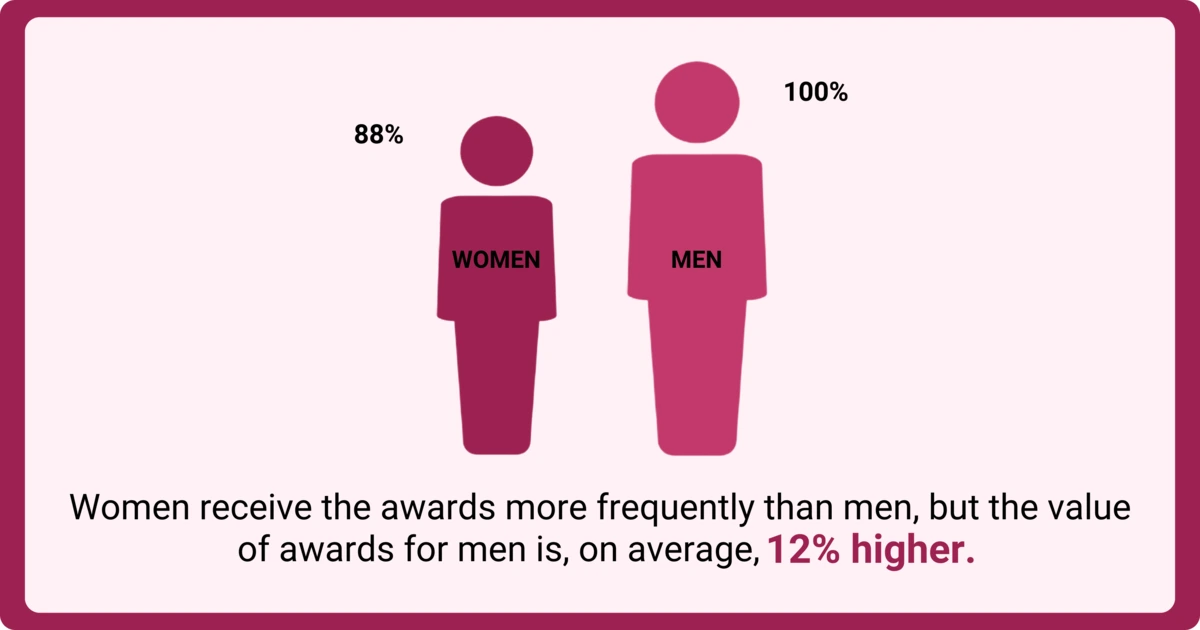
Pay inequity also exists in employee awards – while women receive awards at a greater rate than men, the awards men receive are 12% higher in value, on average.
Companies can identify, address, and prevent wage gaps based on gender, race, and other demographics by conducting pay audits and increasing transparency about compensation. Apple uses a third-party expert to analyze employee pay each year and adjust compensation rates to address inequities.
These efforts not only ensure employees receive fair compensation and equal opportunities but also help the company achieve higher financial returns and lower turnover.
What are the six principles of equity in the workplace?
Workplace equity is an important but sometimes overwhelming goal. Rather than thinking of it as an abstract concept, consider these six core principles:
- Fairness: In compensation, workload distribution, and performance evaluations, treat all employees with respect and dignity.
- Accessibility: Give every employee equitable access to the resources, accommodations, and tools they need to succeed at work.
- Support: Provide employees with necessary assistance, including training and mentorship, to help them grow professionally.
- Recognition: Reward employees at all levels for their individual accomplishments.
- Opportunity: Offer ongoing access to training, education, and professional development.
- Accountability: Be transparent and implement official processes to address grievances and ensure fairness.
Aligning your organization's practices with these concepts will help put you on the path toward equity and a more positive atmosphere for all employees.
Why is equity important in the workplace?
People sometimes look at workplace equity as only benefiting employees with barriers. However, when done well, it's advantageous for everyone in the company and the organization as a whole.
Addressing diverse employee needs
Successful employees help their employers thrive, but those successes aren't possible when people don't receive the support they need. Equity means every worker receives the resources the support they require to meet their full potential, even in a turbulent business environment.
Promoting fairness and justice
Equity also combats discrimination and systemic biases, which can result in low employee satisfaction, engagement, and retention. Issues with discrimination can also lead to lawsuits and damage your organization's reputation. Implementing equitable policies helps minimize many examples of bias, including gender bias, ageism, and name bias.
Enhancing employee satisfaction
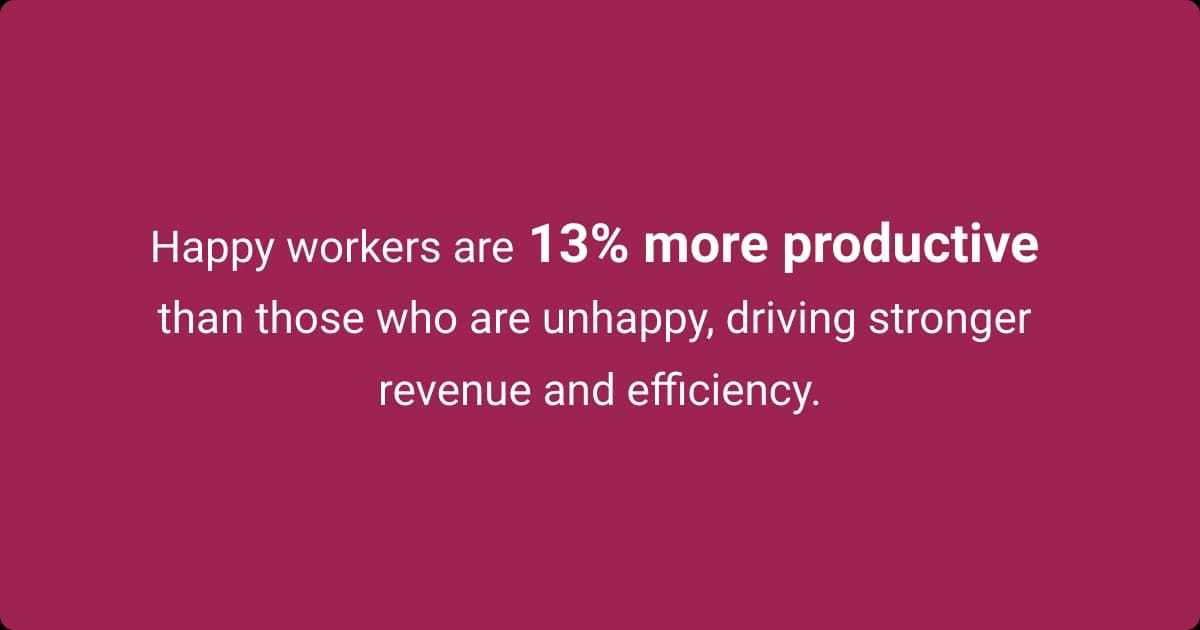
Another reason why equity is important is its impact on employee morale, motivation, and job satisfaction. When workers feel welcome, appreciated, and valued within the organization, they're more likely to feel positive about the company and their jobs. High satisfaction levels, in turn, improve productivity and efficiency.
Fostering an inclusive work environment
In an equitable workplace, employees from all backgrounds have a voice and contribute to the company. When this happens, they also feel more comfortable communicating with one another, sharing their ideas, and offering feedback. As a result, an equitable company culture results in stronger teamwork, collaboration, and innovation.
Reducing burnout and turnover
The Society for Human Resource Management (SHRM) reports that burnout negatively impacts employeesOpens in a new tab, with burned-out workers being three times more likely to search for another job. According to research from Gallup and Workhuman, women are much less likely to feel they receive adequate recognition from their employers. They're also significantly more likely to report feeling burned out at work.
Feelings of burnout, exhaustion, and isolation are more common when employees receive unfair workloads, biased promotions, and a general lack of support. Workplace equity helps address these problems by acknowledging the specific stressors affecting each employee.
How to measure workplace equity
Once your organization implements practices promoting equity, it's crucial to periodically evaluate them for effectiveness. This involves looking at certain metrics, such as:
- Attrition
- Performance
- Employee satisfaction
- Promotions
- Pay equity
You can gather information about each of these points by analyzing different types of data.
For example, to measure satisfaction and attrition, conduct employee satisfaction surveys and exit surveys. To understand performance and promotions, look closely at which employees have received promotions and what types of feedback workers have received on their evaluations.
Finally, conduct a pay audit to find gaps within your organization and determine whether they're connected to gender, race, or another factor.
Each time you measure workplace equity, share your findings with employees and other stakeholders. Speaking openly about these results will build trust and encourage open dialogues about how to improve your practices.
Common obstacles to equity in the workplace and how to overcome them
Workplace equity is a worthwhile goal, but it's not always an easy one. Many companies encounter challenges when implementing their equity measures.
Leadership commitment and support
In some cases, resistance to equity comes from the top. Some organizations struggle with leadership buy-in, with executives viewing equity initiatives as optional rather than essential. Without active support from leadership, you may struggle to secure funding, ensure accountability, and influence the organization's processes.
Educating leadership is key to resolving this concern. Speak practically with leadership about how diverse and inclusive workplaces are more innovative and productive, with higher employee satisfaction. Provide concrete examples of how equity would improve your organizational performance, and form equity advisory councils with leadership involvement to secure accountability.
Clear equity policies and practices
Making a vague commitment to improving equity is unlikely to improve your workplace. Companies lacking well-defined policies experience inconsistencies in hiring, promotions, and compensation, which can have a ripple effect throughout the organization.
Get specific about equity, developing formal policies that outline fair hiring, promotions, and pay structures. Put the details in writing and make them available to everyone within the company so there are no questions about where you stand. In addition, implement standardized job evaluation criteria to safeguard consistency in salary and advancement opportunities.
Continuous diversity training
Some companies have invested in DEI by requiring employees to take a one-time or once-a-year training session. This approach often fails to create lasting change because workers don't take it seriously.
Instead of a single training session or webinar, extend DEI training in your organization. Implement ongoing bias awareness and cultural competency training tailored to different job roles and responsibilities. Provide incentives for actively participating in this training and explain why it's important. Between these sessions, encourage employees to take advantage of self-paced learning resources.
Open communication and feedback
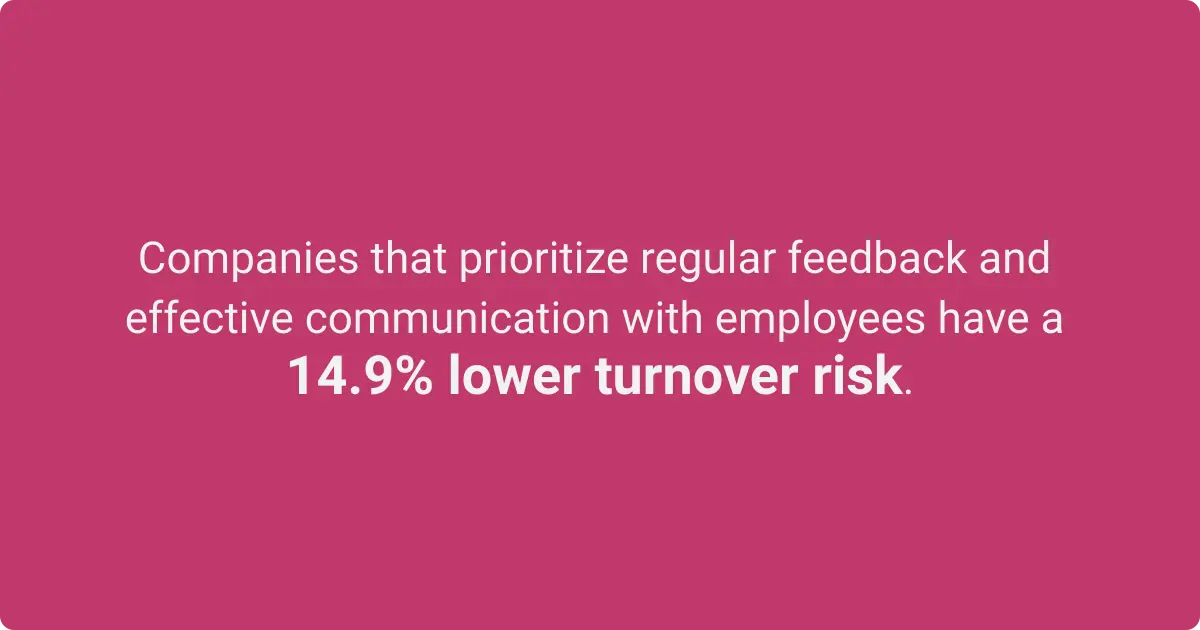
In many workplaces, employees don't feel safe offering input on problems with equity. A lack of safe feedback channels leads to misunderstandings and unresolved issues, which can build over time and lead to higher turnover and lower employee satisfaction.
Create open reporting systems and confidential employee surveys to collect honest feedback without fear of retaliation or judgment. Implement a 360-degree feedback system to allow employees an opportunity to assess their workplace experience from an equity perspective.
Giving them these avenues for communication will encourage more honest discussion of equity and empower you to make informed decisions about your policies.
Conclusion
The importance of equity is impossible to overstate–it affects every person, department, and process within an organization. When you treat employees fairly, respect their diversity, and help them overcome obstacles, they'll feel more passionate about their work and more connected to their coworkers.
You can make equity in the workplace a priority by developing clear policies addressing hiring, compensation, performance evaluations, and promotions. When leadership embraces your equity practices and employees understand it through training, you'll be one step closer to creating a work environment where people feel safe, valued, and inspired.