
A Conversation About Human Connection: Q&A with Adam Grant and Eric Mosley
by Eric Mosley
Last updated
4 min read

The headline 'The A.I. Revolution Will Change Work. Nobody Agrees HowOpens in a new tab' is everywhere: AI in the workplace is real, it's here, and it's now. : AI in the workplace. It’s real. It’s here. It’s now.
Gallup’s latest studyOpens in a new tab on AI adoption shows 93% of CHROs say their organization has begun using AI tools to improve business practices. More pressingly, Gartner foundOpens in a new tab 76% of HR leaders believe, if their organization does not adopt AI solutions in the next 12 to 24 months, they will trail the companies that do.
But a willingness to adopt AI technology isn’t enough – not by a long stretch. Our own Workhuman iQ research points to one inexorable truth: Organizations can only be as prepared for AI as their employees are. In fact, 63% of respondents to this year’s study report they are not at all or only somewhat familiar with AI in the workplace.
So, what does this mean for the future?
There is much work to do. And it all revolves around one simple, yet powerful idea: human connection.
During last year’s Workhuman Live, I spoke about the concept of “AI as a time machine” – not one that moves us through time, but one that creates it. It’s a way for us to unburden ourselves from the monotonous work that eats up our time, allowing us to focus on what we as humans do so well: Build connections. Learn and grow. Find meaning, joy, and purpose in work and in life.
At this year’s Workhuman LiveOpens in a new tab, set atop the Denver Rockies, we invite the industry’s best and brightest – all of you – to reach new heights in today’s workplace. We’ll explore the vital intersection of technology and humanity. We’ll summon our deep reservoirs of resilience, energy, and wisdom to lead through uncertain times ahead.
It's the clarion call to focus on what really matters at work: purpose, connection, humanity. At Workhuman, it’s what we call a “force for good” - i.e., rooting down in our humanity, our goodness, to make sure we all feel seen, valued, and appreciated for who we are as people. That’s what really matters.
There’s no better workplace innovator to lead us on that journey than world-renowned Adam GrantOpens in a new tab. Having captivated audiences at the inaugural Workhuman Live in 2015, Adam will return to the mainstage to share career-changing breakthroughs about the power of hidden potential – and how to unleash it to elevate people, as well as a collective focus on humanity, in the years ahead.
Thanks Eric, I’m excited to join this year’s Workhuman Live! My keynote will focus on challenging conventional thinking around talent and performance and unlocking hidden potentialOpens in a new tab.
Hidden potential is a capacity for growth that’s invisible—sometimes to us, sometimes to others. Too many promising people are underrated and overlooked, and I’ll highlight how we can get better at both recognizing and realizing potential.
At Workhuman Live 2025, I’ll dive deeper into these ideas, with an emphasis on fostering growth in unexpected places. You can expect evidence-based, practical strategies for leaders to unlock the hidden potential in people, teams, and workplaces.
Recognition is an important vehicle for unleashing hidden potential. It’s all too common for managers and employees to have strengths that haven’t been identified or celebrated. A well-designed recognition system helps them see their own capabilities more clearly and sends a strong signal that these capabilities are valued by others. By recognizing hidden potential, leaders and organizations can uncover and amplify talents that might otherwise go unnoticed.
When we talk about recognition, we often focus on the impact of receiving it, but it can be just as motivating for the giver. In my research, I’ve found that the act of recognizing others is a source of meaning—it enables people to give credit where it’s due and reinforce a culture of appreciation. That can become a virtuous cycle.
CoachingOpens in a new tab is in vogue. Great athletes and entertainers have long benefited from coaching, but we now see surgeons and executives benefiting from coaching too. Take it from a peer-reviewed meta-analysisOpens in a new tab of coaching experimentsOpens in a new tab: Getting regular feedback and guidance from a coach can significantly improve performance and resilience.
That said, not everyone is lucky enough to have a coach. Even when they do, a coach will only see a fraction of the situations that can benefit from feedback and guidance. It’s up to all of us to coach our employees, our colleagues, and even sometimes our bosses.
I’ve come to believe that coaching might be even more essential than mentoring to our careers and our teams. Whereas mentors dole out words of wisdom, coaches roll up their sleeves and get their hands dirty. They don’t just believe in our potential; they get in the arena to help us reach our potential. They hold up a mirror so we can see our blind spots and they hold us accountable for working through our sore spots. They take responsibility for making us better without taking credit for our accomplishments.
Recognition is part of coaching. Great coaches don’t only tell us how we can improve. They also go out of their way to help us identify what’s working so that we can repeat and build on our success. The better you know your highlight reel, the better poised you are to have more highlight moments.
My read of the evidence on AIOpens in a new tab right now is that it seems to be doing three things for the average person.
One: It augments skills. If you’re a writer or a programmer who’s stuck, it can help you catch up to your peers.
Two: It saves time. You can offload or automate tasks that you used to do yourself, like drafting emails.
Three: It broadens perspectives. When R&D scientists gain accessOpens in a new tab to AI, their patent filing rate goes up 39%, which sets the stage for a 17% spike in product innovation.
One of the benefits of AI support is that it helps with generating more novel ideas. But that means more bad ideas as well as good ideas. We need human judgment to help find the signal in the noise.
AI is not a substitute for human ingenuity – and, in fact, some research suggests that the most creative people may get less value out of AI. But it can be a tool that helps people overcome thinking blocks and connect dots.
It’s evident that AI will become ingrained in the way we work and live. We don’t know what the future holds, but I hope it enhances us rather than replacing us.
Spoiler alert! You’ll have to come to Colorado for that answer. But I’ll leave you with this: the people with the least confidence may be the most likely to underestimate themselves.
Join us at Workhuman LiveOpens in a new tab, May 12 – 15, 2025 in the Gaylord Rockies, CO to hear Adam Grant'sOpens in a new tab keynote and elevate your personal and professional growth. Together, let’s shape the future of work by making work human.
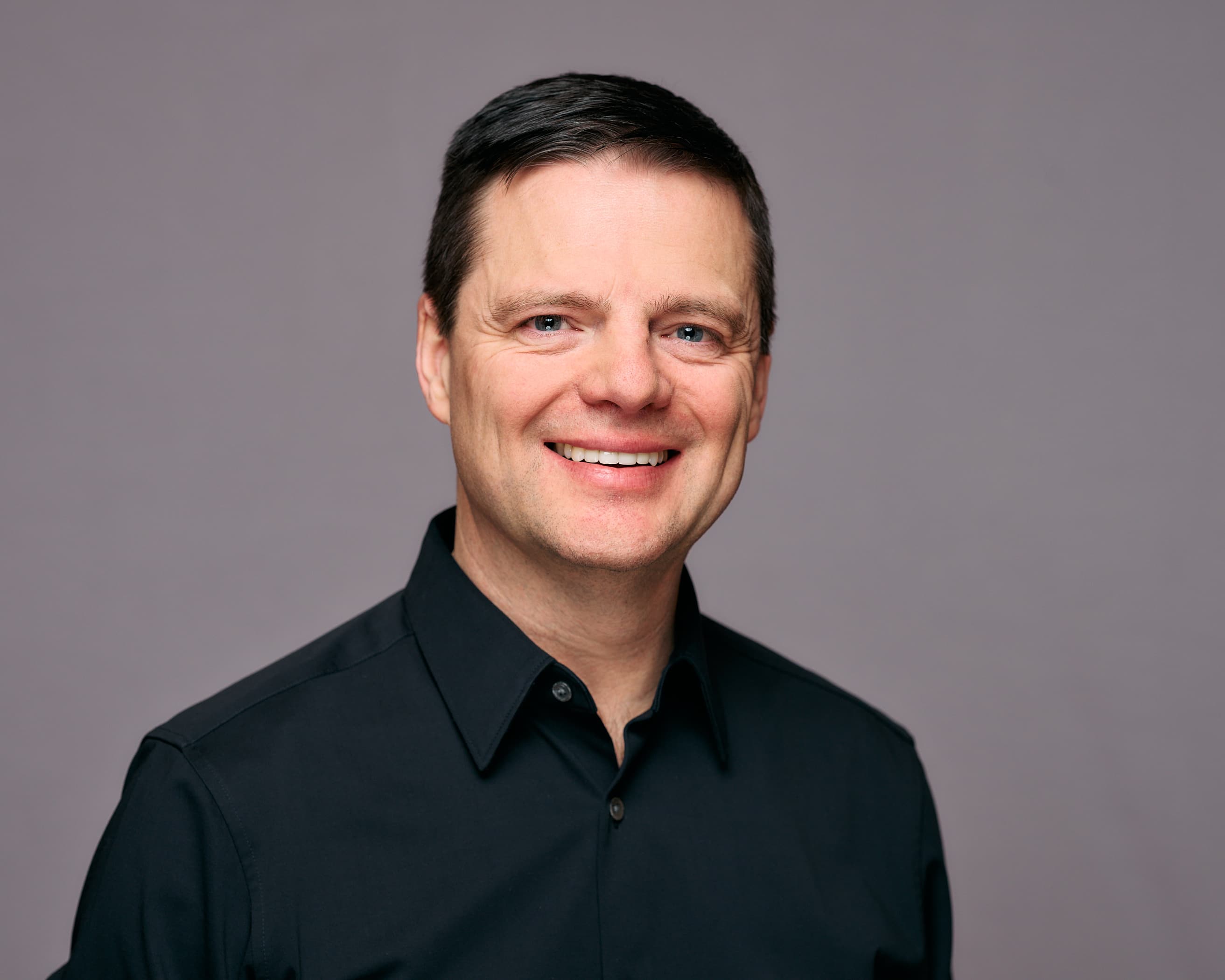
Eric Mosley
Eric Mosley is a visionary leader, author, speaker, and the driving force behind the Workhuman® movement, which focuses on transforming work through human connection and AI-powered recognition. As the founder and CEO of Workhuman, he has spent more than two decades pioneering a more human-centric approach to work, demonstrating how recognition, connection, and purpose fuel organizational success.
A global thought leader on the intersection of technology and humanity, Eric challenges traditional HR frameworks and advocates for a future where AI and emerging technologies amplify human potential. His work especially explores how organizations can harness the collective intelligence of their people, using recognition data and social insights to build thriving, inclusive workplaces.
Eric is a trusted advisor to some of the world’s most influential Fortune 500 organizations, guiding leaders on how to create workplaces that prioritize belonging, wellbeing, and human connection. He is also the pioneer of Human Intelligence™, Workhuman’s revolutionary approach to using real-time recognition data and behavioral insights to shape modern leadership and workplace culture. By capturing and analyzing organic moments of appreciation and collaboration from the Workhuman Cloud, Human Intelligence gives leaders deep insights into performance and culture that help them make more informed, ethical, and impactful workforce decisions.
A sought-after speaker, Eric has shared his insights on global stages, including Davos, Web Summit, AWS, and Workhuman Live. He is the author of "The Crowdsourced Performance Review" and award-winning co-author of "The Power of Thanks" and "Making Work Human". A frequent contributor to Forbes, his byline has also appeared in Fast Company, Harvard Business Review, The Huffington Post, Inc., and other leading publications, shaping the conversation on AI, leadership, and the evolving workplace.
Recommended for you