
Understanding the Importance of Skills Mapping in Your Organization
by Anna Picagli
Last updated
3 min read

Table of contents
- What exactly is skills mapping?
- What are the benefits of skills mapping?
- How do I get started with skills mapping?
- Conclusion
Share this article
Skills mapping is a strategic process that helps align your workforce's capabilities with your organization's goals, paving the way for sustained success and innovation.
Skills mapping is an invaluable practice that is intended to help you better understand the unique makeup of your team and employees. Not only does it help you pinpoint your team's strengths, but it also emphasizes the benefits of continuing professional development by identifying areas for growth.
Skills mapping has the power to improve your workplace dynamics and help you move toward your goals more smoothly and efficiently. In this post, we'll explore exactly how skills mapping can enhance productivity, foster professional development, and ultimately drive your company toward greater success on both micro and macro levels.
What exactly is skills mapping?
These assets can then be used to help leaders upskill and reskill their employees, create more powerful employee task forces for projects, and hire more effectively for open roles.
Skills mapping can not only help you look more clearly at employee skills, but it can also help you identify skill gaps and create employee development plans to upskill your workforce more effectively through targeted training programs and professional development.
As you gain a better understanding of the soft skills and technical skills present within your team, you can also develop targeted training programs of your own to meet your employees’ unique needs.
Rather than the often degrading and discouraging skills assessments and performance reviews of the past, skills mapping leaves much less room for bias and favoritism. It can serve as objective data that can be much easier for employees to swallow, as they can see where they’re excelling and where there is room for growth in a much more technical, productive way.
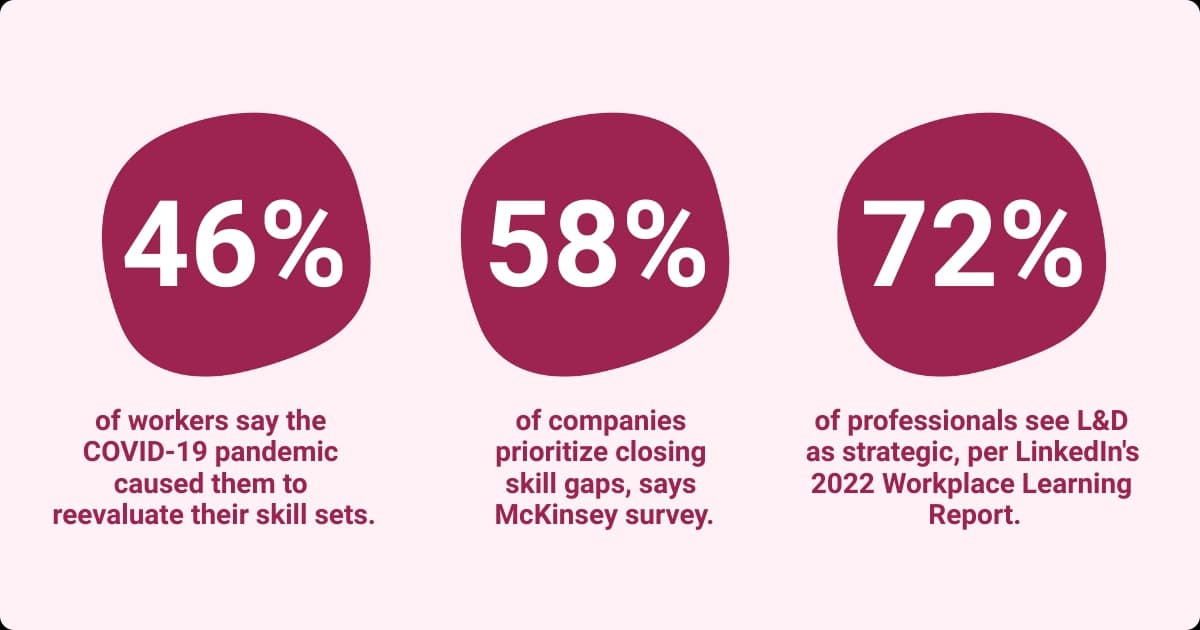
Skills mapping methodology is a lot more supportive of employee career growth than other, more outdated methods that are more largely based on the shifting opinions of leadership than on measurable, quantitative information.
By facilitating personalized employee development plans and highlighting potential areas for growth, skills mapping can also help drive better employee engagement and retention.
What are the benefits of skills mapping?
Skills mapping offers a wide range of benefits that can significantly impact an organization’s efficiency and growth, such as:
Increasing efficiency and productivity
Skills mapping provides a clear, visual representation of the skills and expertise your team already possesses. This allows for more strategic decision-making when it comes to project assignments, talent development, and succession planning.
By understanding who excels in which areas, you can match individuals to tasks that align with their strengths, leading to increased productivity and job satisfaction. Skills mapping can also help you build teams and project task forces more efficiently by creating teams that have balanced, complementary strengths.
Improving employees’ long-term career success
By identifying skills gaps, the skills mapping process also makes it much easier for leaders to effectively develop employees. In today’s rapidly changing, digital world of work, there is a greater need for continuous upskilling and reskilling employees than there has ever been before.
It is more important than ever for employees to remain adaptable, learn new technologies, and have the humility to be lifelong learners.
Not only does skills mapping foster a culture of continuous learning and development that benefits each individual employee, but it also helps bridge the skills gap so the company can meet future challenges with a more skilled workforce.
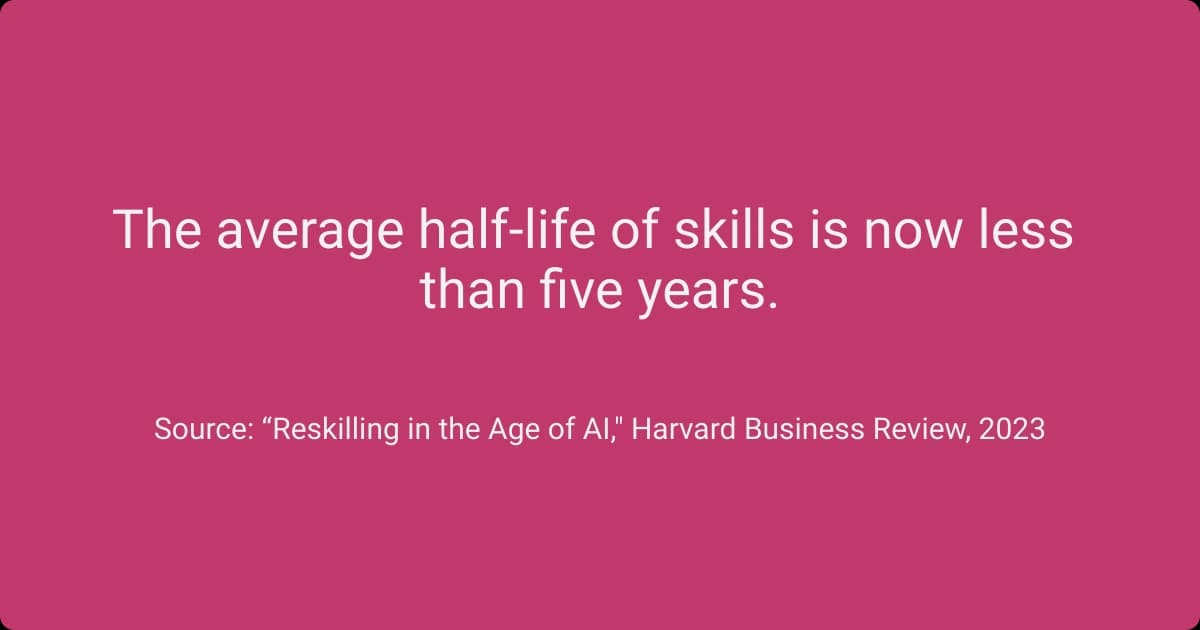
Helps organizations hire more effectively
Skills for job mapping can also greatly enhance your recruitment and talent management processes. By enabling you to create more comprehensive skills inventories, you can better define the qualifications needed for new hires, helping you make more informed hiring decisions.
How do I get started with skills mapping?
Getting started with skills mapping involves a few key steps to ensure you’re effectively measuring and utilizing your team’s talents. Here is a quick breakdown to help guide you:
1. Gather comprehensive information about employee skills and expertise
You can do this by conducting surveys, offering opportunities for self-assessment, and speaking directly with employees to gain a more clear understanding of their abilities, certifications, and areas of interest.
This deeper understanding of your employees’ essential skills and competencies can help you gain a more well-rounded view of each of them as employees and as people.
2. Aggregate and categorize the data
Once you’ve collected these valuable insights and begun the skills mapping process, the next step is to categorize this information.
Separating this data into technical skills, industry knowledge, work experience, soft skills, and other useful classifications can help you more easily assess the information. Spreadsheets, specialized skill and will matrix and software, and visual mapping platforms can all help you organize this data.
3. Analyze the data
After you’ve completed the skills mapping exercise, you can review how your team’s existing skills align with larger departmental and organizational objectives.
This can help you identify specific skills gaps, make more strategic development decisions, restructure your teams, finish projects more quickly, and even hire more effectively.
4. Continue to assess skills and update skills maps
Update your skills maps periodically to reflect any changes, such as new hires or evolving skill sets. By creating a structured, ongoing approach to skills mapping, you can ensure that your data remains accurate and up to date, while also identifying skill-building opportunities to help you make the most informed decisions possible.
This can help you create more useful talent development plans, improve your hiring process, and continuously improve your company’s productivity.
Conclusion
Skills mapping is much more than just a strategic exercise. It’s a practice that helps create long-term, sustainable plans for employee development, more efficient team structuring, and more streamlined hiring. Utilizing the skills maps and skills matrices you create can help you improve your workflows and productivity.
Ultimately, skills mapping can help your team improve your workflows and productivity, empowering you to achieve both short-term and long-term goals more effectively.

Anna Picagli
As an RYT500 yoga instructor and a Reiki Master Teacher, Anna is an advocate for holistic wellness, especially within the workplace. She’s extremely passionate about the brain-body connection and exploring how mental and physical wellness intersect.
Anna has experienced firsthand how chronic stress, overworking, poor management, and other organizational issues can lead to extreme burnout. Knowing the impact that a toxic work environment can have on a person’s body, psyche, and general sense of well-being, she now works to direct others away from facing the same fate.
As Workhuman’s Senior Content Specialist, Anna is a regular contributor to Workhuman iQ reports and aims to create resources that company leaders can reference to help improve their culture and empower their employees, creating healthier workplaces for everyone.
In her free time, she’s an avid solo traveler, a voracious reader, and a seasoned home chef. You can learn more about Anna’s work on LinkedIn or through the Yoga Alliance.
Recommended for you