
How to Motivate Employees as a Manager: 5 Proven Strategies for Success
by Ryan Stoltz
Last updated
6 min read

Table of contents
- Understanding employee motivation
- 5 ways managers can motivate employees on a regular basis
- Conclusion
Share this article
As a manager, you know that a motivated team is the cornerstone of a successful organization. Did you know that actively disengaged employees cost the U.S. $483-$605Opens in a new tab billion each year in lost productivity?
This striking statistic underscores the importance of understanding how to motivate your employees as a manager.
Understanding employee motivation
What is employee motivation?
Employee motivation is the intrinsic and extrinsic drive that fuels a person’s efforts and enthusiasm toward their job and organizational goals. It's the underlying force that shapes behavior, encourages persistence, and influences performance.
Types of motivation
- Intrinsic motivation: This type of motivation comes from within. It's driven by personal satisfaction, interest in the work, and the joy of accomplishing tasks. For instance, an employee who takes pride in solving complex problems or enjoys learning new skills is intrinsically motivated.
- Extrinsic motivation: This arises from external factors such as financial rewards, recognition, and promotions. An example is an employee working towards a bonus or striving for a promotion to enhance their status and income.
Both types of motivation are essential in the workplace. Intrinsically motivated employees tend to be more engaged and creative, while extrinsically motivated employees can be driven by tangible rewards and recognition. Together, they create a balanced and dynamic workforce.
5 ways managers can motivate employees on a regular basis
1. Effective communication and teamwork
Open communication lines
Creating an environment where your employees feel comfortable sharing their thoughts, ideas, and feedback with you is crucial. Two-way communication fosters mutual respect and understanding. Encourage open dialogue to ensure your employees feel heard and valued.
- Regular check-ins: Hold frequent one-on-one meetings or team huddles to maintain ongoing dialogue and address any concerns or questions your employees may have. Regular check-ins help in identifying issues early and provide a platform for continuous feedback and support.
- Open-door policy: Adopting an open-door policy makes you more accessible to your employees. This approach fosters trust and openness, encouraging them to communicate freely and seek guidance when needed.
Clarity in expectations
Clearly communicating job roles, responsibilities, and performance expectations is essential to avoid misunderstandings and ensure everyone is on the same page. Set expectations to help your employees understand their duties and the standards they need to meet.
- Honest feedback: Providing honest, constructive feedback regularly is vital for employee growth. Transparent feedback helps your employees understand their strengths and areas for improvement, fostering a culture of continuous development.
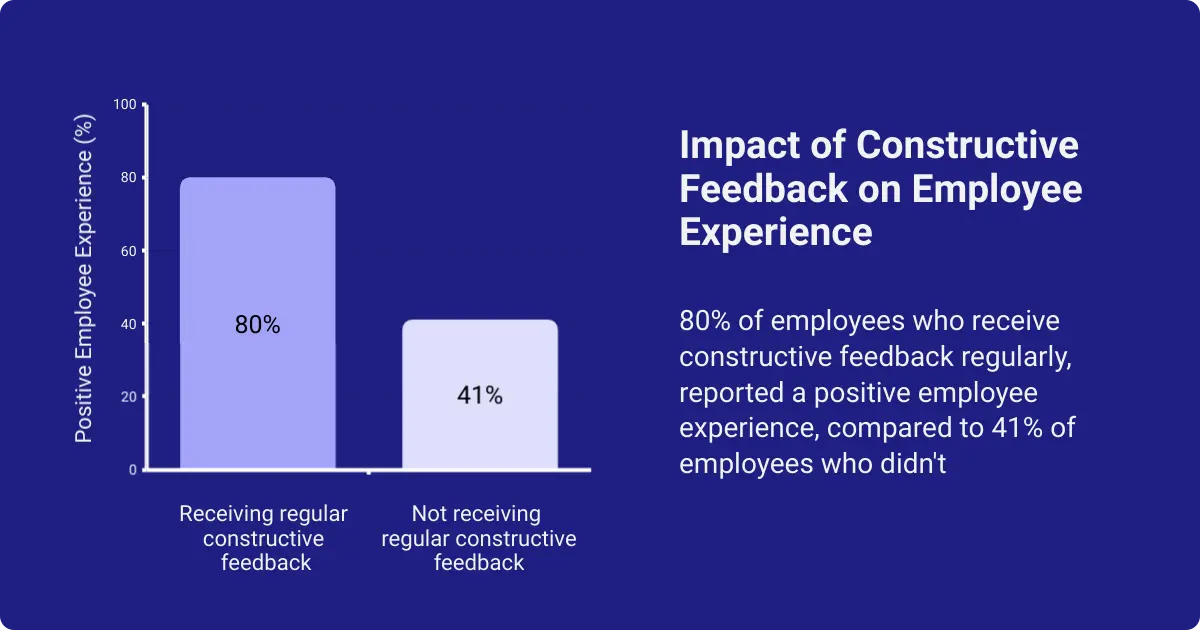
- Building trust: Honest communication builds trust within your team, leading to better collaboration, higher morale, and a more cohesive work environment.
Encourage teamwork
Encouraging teamwork goes beyond assigning group projects. It requires creating an environment where collaboration is naturally integrated into the workflow.
- Promote cross-departmental projects: Involve team members from different departments in projects to provide fresh perspectives and enhance innovation.
- Celebrate team successes: Recognize and celebrate team achievements as a whole, not just individual accomplishments. This reinforces the importance of collaboration and collective success.
- Team-building exercises: Activities like escape rooms, problem-solving tasks, or even virtual team-building games, along with learning problem-solving techniques, can enhance collaboration and trust among team members. Teaching these techniques helps employees approach challenges systematically and fosters a supportive team environment.
2. Goal setting and progress reviews
SMART goals framework
Setting clear and attainable goals is essential for both individual and organizational success. The SMART criteria – specific, measurable, achievable, relevant, and time-bound – provide a structured approach:
Collaborative goal setting
Involving your employees in the goal-setting process can enhance buy-in and commitment. When they have a say in their goals, they are likelier to feel ownership and motivation. This personalized approach ensures that goals are relevant to individual strengths and aspirations.
Regular progress reviews
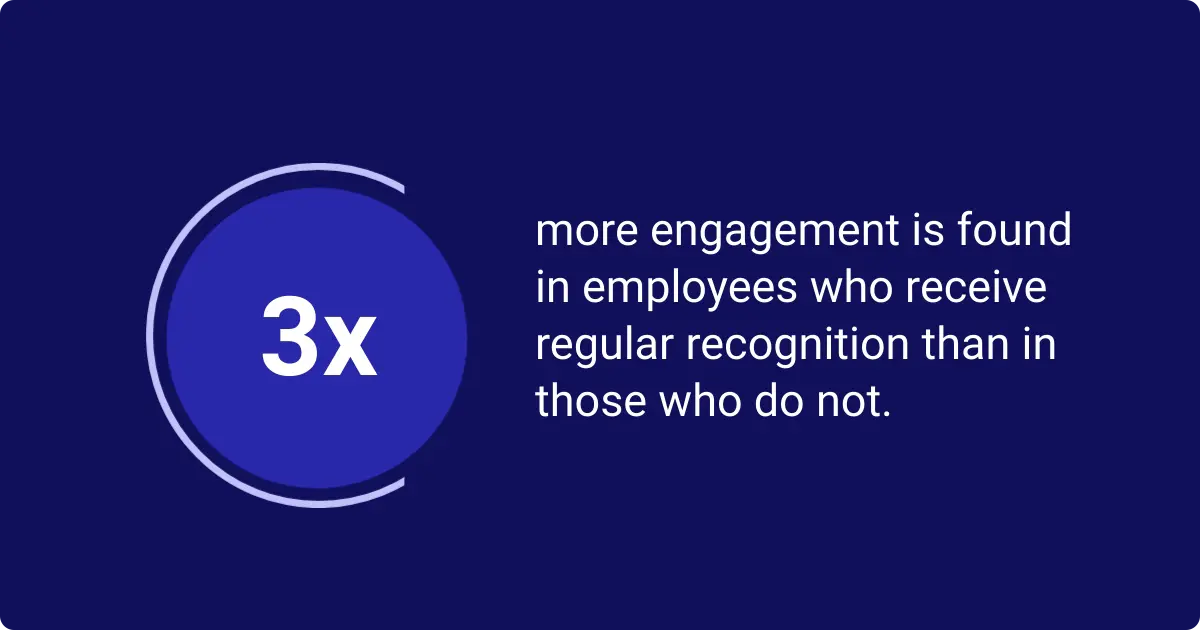
Periodically reviewing progress toward goals is crucial for maintaining motivation and focus. Regular check-ins allow for adjustments as needed and provide opportunities to celebrate milestones. Recognizing small wins keeps your employees motivated and aligned with their targets.
Aligning employee goals with company objectives
Your employees need to understand the company’s overall vision and mission. When they see how their work contributes to larger objectives, they can find greater purpose and alignment in their daily tasks. Clearly communicating your company's vision and mission helps them feel part of a bigger picture.
- Goal cascading: Cascading organizational goals down to individual levels ensures alignment with department and company-wide priorities. This process helps each employee understand how their specific goals contribute to broader objectives, creating a cohesive effort across the organization.
- Performance metrics and KPIs: Using key performance indicators (KPIs) and other metrics helps measure the alignment and contribution of employee goals to your company's success. Cultivating a feedback culture with regular performance reviews based on these metrics keeps your employees informed about their impact and areas for improvement. To motivate employees as a manager and exemplify how to be a good manager, recognize their achievements and provide constructive feedback during these reviews, encouraging growth and engagement
3. Build a positive work environment and culture
Creating a comfortable workspace
Maintain a clean, comfortable, and safe physical workspace for employee well-being and productivity. This includes providing ergonomic furniture to prevent strain and injuries, ensuring proper lighting to reduce eye strain and fatigue, and keeping the workspace tidy and hazard-free. A comfortable environment allows your employees to focus better and feel more at ease.
Fostering a positive workplace culture
Fostering a culture of respect, inclusivity, and support is key to creating a pleasant atmosphere. When your employees feel valued and appreciated, they are more likely to be engaged and motivated.
- Promote respect and inclusivity: Encourage open communication, recognize achievements, and support diversity and inclusion. A respectful and supportive environment makes your employees feel safe and accepted.
- Workplace amenities: Providing amenities such as break rooms, recreational areas, and wellness programs can significantly enhance employee satisfaction and well-being. Break rooms offer a place to relax and recharge, recreational areas encourage social interaction and stress relief, and wellness programs support physical and mental health.
Developing a modern work environment
Technology and tools
Having up-to-date technology and tools is essential for efficient performance and connectivity.
Workhuman's innovations, like the AI Assistant and Admin Hub, streamline recognition and program management, providing valuable insights and automating key tasks. Integrations with platforms like Microsoft Teams embed recognition into daily work, enhancing engagement and productivity.
Flexible work arrangements
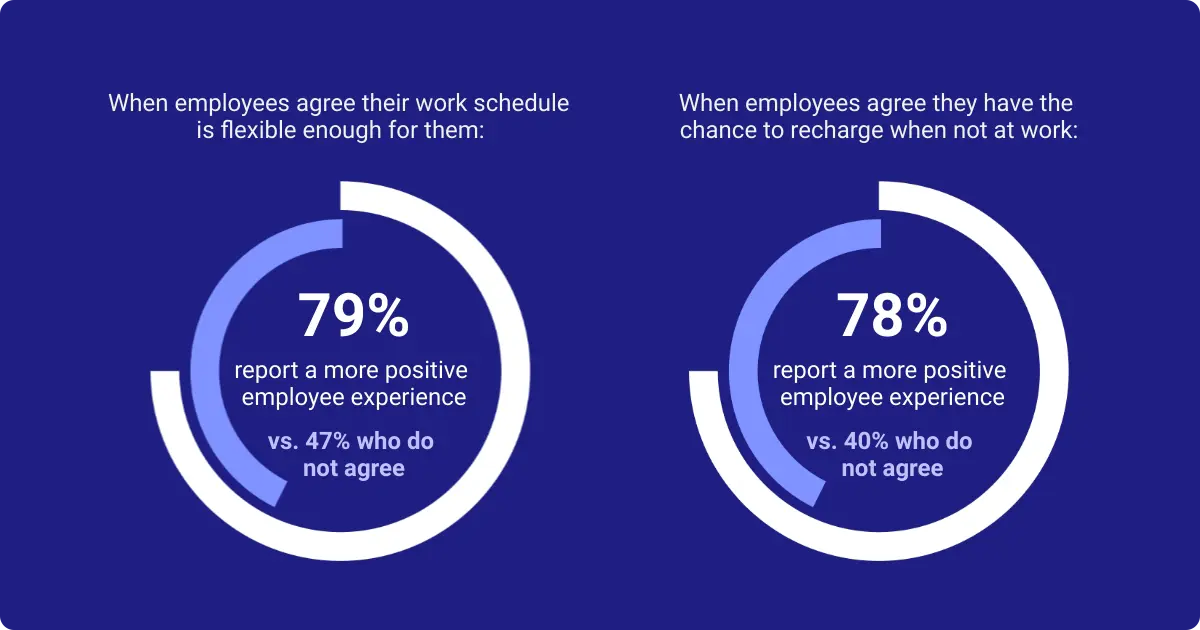
Offering flexible work options such as remote work, flexible hours, and hybrid models helps meet the diverse needs of your employees. Flexibility helps them balance their work and personal lives, reducing stress and increasing job satisfaction.
Recognition and appreciation
Timely and consistent recognition
Implementing structured recognition programs
Formal recognition programs consistently acknowledge and celebrate employee contributions, boosting morale and engagement by making your employees feel valued and appreciated. Structured programs ensure that recognition is part of your company culture and not an afterthought.
Personalized recognition
Tailoring recognition to individual preferences makes it more meaningful. Some employees may prefer private acknowledgments, while others might enjoy public praise. Understanding and catering to these preferences ensures that the recognition resonates with each employee personally.
Celebrating milestones
Recognizing personal and professional milestones such as work anniversaries and project completions is an effective way to make your employees feel valued. Celebrations can range from a simple acknowledgment to a more elaborate event, depending on the milestone and the individual’s preferences.
Inclusive culture
Fostering an inclusive culture where all contributions are recognized and appreciated creates a supportive and appreciative work environment. Inclusive recognition ensures that every employee feels seen and valued, promoting a sense of belonging and teamwork. This approach strengthens the overall morale and unity of your organization.
4. Foster career growth and development
Investing in career growth and development, including skills like managing up, is a powerful way to motivate employees. When employees see a clear path forward and know how to effectively communicate and collaborate with their superiors, they’re more likely to stay engaged and committed to their work.
By learning how to manage up, employees can build stronger relationships with their leaders, enhancing their overall job satisfaction and productivity.
Providing clear career paths
Providing clear career paths helps employees understand their potential within the company and sets a roadmap for their professional growth.
- Define career ladders: Clearly outline the progression for various roles within the company. This includes the skills, experiences, and milestones needed to move up.
- Regular career development discussions: Schedule regular meetings to discuss career goals and progress. This shows employees that you are invested in their future.
- Training and development programs: Offer access to courses, workshops, and certifications that align with career paths. This equips employees with the tools they need to advance.
- Mentorship programs: Pair employees with mentors who can provide guidance, share experiences, and help navigate their career journey.
A transparent career path can help employees feel more secure and motivated, knowing that their efforts will lead to tangible growth.
Taking an interest in their career path
Being a good manager involves taking a genuine interest in your employees' career paths and going beyond formal programs and discussions.
- Personalized career plans: Work with employees to create personalized career plans that align their aspirations with company goals.
- Recognize and utilize strengths: Identify each employee’s strengths and interests and provide opportunities for them to shine in those areas.
- Encourage lateral moves: Sometimes, a lateral move can provide new challenges and learning opportunities that are just as valuable as promotions.
Showing you care about your employees' professional development can foster a loyal and motivated workforce. When employees see that their growth is a priority, they are more likely to invest their energy and talents back into the company.
5. Encourage innovation and creativity
Encouraging innovation and creativity can transform your workplace, making it more dynamic and forward-thinking. When employees feel their innovative ideas are valued by their manager, they are more engaged and motivated.
Rewarding creativity and risk-taking
Creativity and risk-taking should be recognized and rewarded to foster a culture where new ideas can flourish.
Creating an innovative culture
Creating a culture that supports innovation requires more than just rewards; it needs an environment that continuously nurtures creativity.
- Open idea sharing: Promote a culture where ideas can be freely shared without fear of judgment. This can be facilitated through brainstorming sessions, suggestion boxes, or dedicated innovation platforms.
- Diverse teams: Build diverse teams to bring different perspectives and ideas to the table. Diversity in thought can drive more innovative solutions.
- Continuous learning: Encourage continuous learning through workshops, conferences, and access to educational resources. When employees are constantly learning, they’re more likely to come up with innovative ideas.
- Allocate time for innovation: Allow employees to dedicate a portion of their workweek to explore new ideas and projects. Google’s famous 20% time policy is a great example of how this can be implemented.
Conclusion
Motivating your employees leads to a thriving organization. By understanding both intrinsic and extrinsic motivation, you can foster a balanced workforce. Implement effective communication, set clear goals, build a positive work environment, and recognize achievements consistently.
Encourage career growth and innovation to keep your team engaged and driven. These strategies enhance productivity and create a cohesive, motivated team ready to meet your company's goals. Remember, a motivated team drives sustained success and growth.

Ryan Stoltz
Ryan is a search marketing manager and content strategist at Workhuman where he writes on the next evolution of the workplace. Outside of the workplace, he's a diehard 49ers fan, comedy junkie, and has trouble avoiding sweets on a nightly basis.
Recommended for you