
From Sociology to Design: Susana Rojero’s Journey to Principal Product Designer
Last updated
2 min read
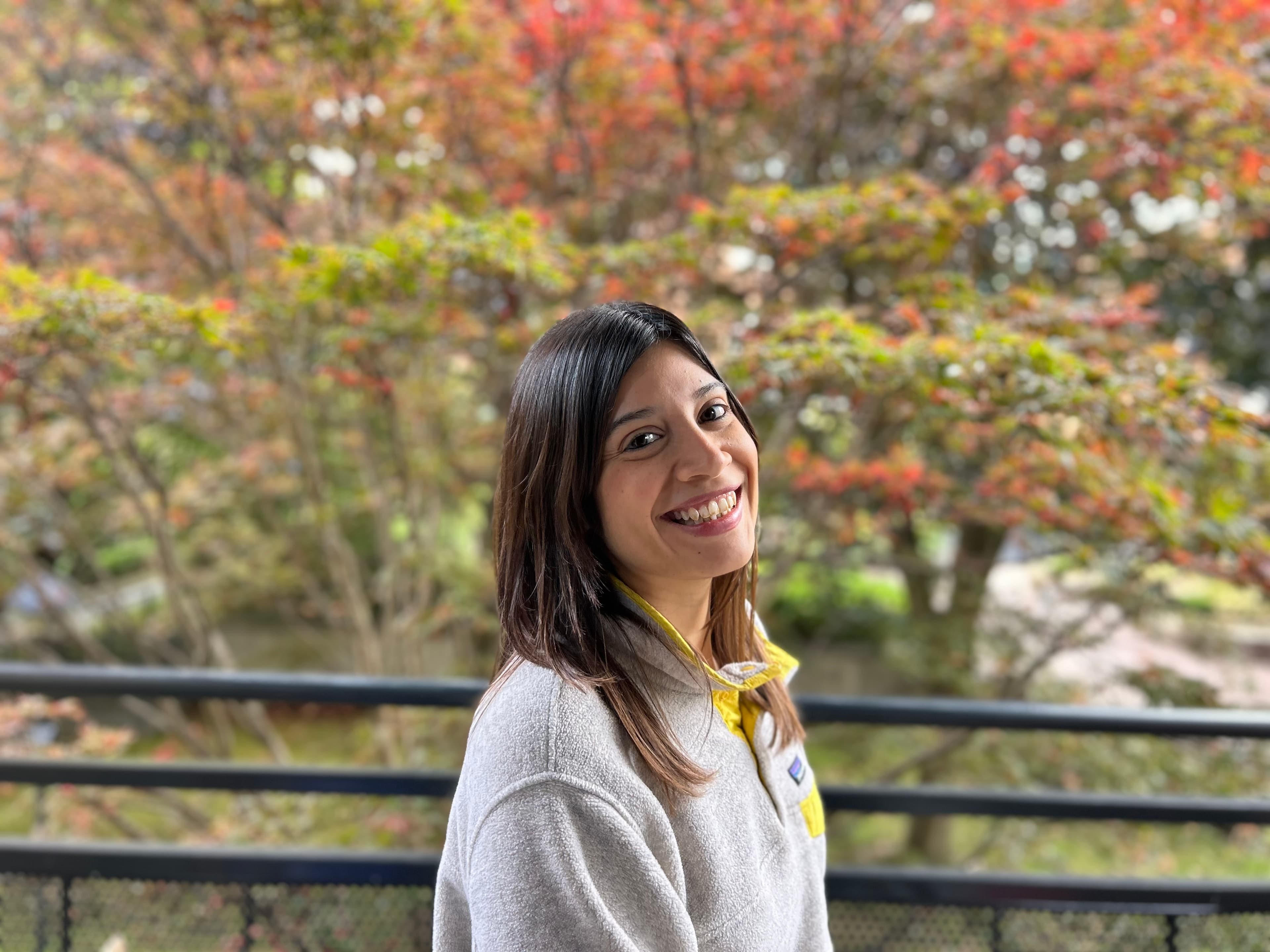
What first stirred your interest in a career in this area?
It’s funny because when I first started college, design wasn’t my initial path. I actually began studying Sociology but soon realized it wasn’t the direction I wanted to pursue long-term. That’s when I turned to design—it had always been in the back of my mind.
I completed my bachelor's degree in Design, which combined graphic and industrial design. At that time, Product Design wasn’t widely recognized, so I learned much of what I know through work and training. When I graduated, web design was still considered a relatively “new field,” with few designers in that area. Initially, I leaned towards editorial or textile design, but I began working for an advertising agency that was experiencing a surge in clients seeking websites or apps. This sparked my interest in the digital realm, and that’s how I started to train more in that area. The rest is history—twelve years after graduating, I am now a Principal Product Designer.
What were the biggest surprises or challenges you encountered on your career path and how did you deal with them?
While it’s no surprise that the design field evolves, I’m still amazed by how much it’s changed since I started. There are always new trends, software updates, or entirely new tools to learn. It’s a field where you can’t work in isolation—you have to be highly collaborative and open to working with different teams, as their input directly impacts your work, and vice versa. While that can be challenging, I find it incredibly rewarding.
Advocating for users is another big challenge. Designers must balance business goals with user needs, and this is where collaboration is key. Working closely with researchers, data analysts, and other departments helps ensure our decisions are backed by solid insights. It can be tough, but having the right team makes all the difference.
What do you enjoy about your job?
One of the aspects I really enjoy about my job is the type of product I work on. It’s rewarding to witness the impact that gratitude can have on employees and the overall work environment. When people take the time to recognize each other, it creates a positive ripple effect that fosters collaboration and motivation.
On top of that, I love the challenge of providing solutions to problems. The entire process is fulfilling and knowing that the solutions I propose will be part of a product used by thousands of people around the world is incredibly gratifying. Of course, you sometimes have to be prepared for failure; not every solution will work. But even in failure, there’s valuable learning, and that whole journey is what makes it enjoyable.
What advice would you give to those considering a career in this area, or just starting out in one?
Don’t be afraid to ask questions—in fact, ask as many as you can! This will help you understand all the aspects of your product or any project you're working on. Also, keep an open mind when it comes to collaboration. Design relies heavily on building relationships, not just with other designers but also with various roles. You’ll find yourself collaborating frequently with Project Managers, UX Researchers, Engineers, and many others. Being receptive to different perspectives will enrich your understanding and elevate your solutions.
Last but not least, while it’s important to stay updated on design trends and new software, remember that Product Design fundamentally revolves around understanding user behaviors. If you're just starting, don’t dismiss the basics; early UX books are just as valid today as they were 20 or 10 years ago, providing timeless insights that can guide your approach.
Thank you to Silicon Republic for originally featuring this article. To read the full article please visit hereOpens in a new tab.
Without our humans, it’s just work.Opens in a new tab