Understanding the Skill Will Matrix: Definition, Benefits, and How to Use It Effectively
Table of contents
- What is the skill will matrix?
- The four quadrants decoded: advanced coaching strategies for each employee type
- How to create an effective skill will matrix in your organization
- Common challenges with the skill will matrix and how to overcome them
- Real-world examples of applying the skill will matrix
- Skill will matrix template
- Conclusion
No two employees are alike — each member of your team has their own unique skills, motivators, and stressors. Leaders often face challenges managing diverse teams with varying levels of motivation and skills, as what works for one employee won't always work for the next.
The force skills gap offers a strategic solution: categorizing employees by their motivation and skill levels.
This process lets you identify the best ways to support and coach each individual team member based on their unique needs and goals, whether they need additional training or a completely different role. It can also help you identify your team's top players and potential leaders, maximizing your business growth.
Here's everything your business needs to know about developing, implementing, and refining skill will matrices.
What is the skill will matrix?
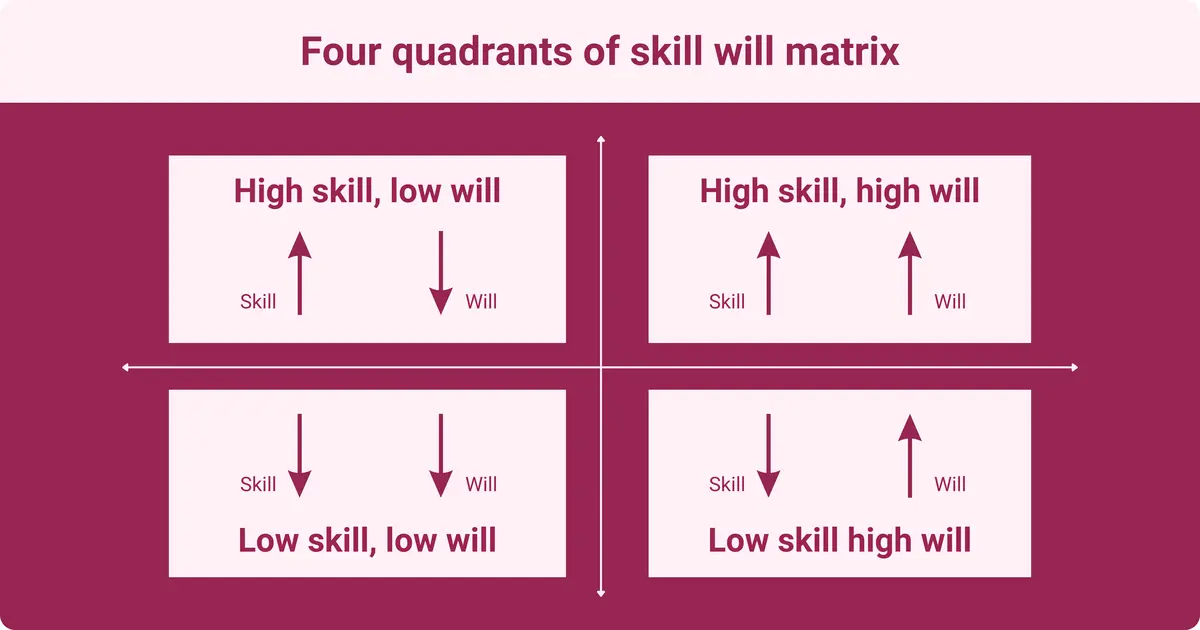
The skill will matrix is a 2x2 model that maps employee skill level against motivation/willingness, creating four distinct coaching quadrants, including:
- High skill, high will
- High skill, low will
- Low skill, high will
- Low skill, low will
That said, how does the skill will matrix work from a practical standpoint? The concept originated in Max Landsberg's The Tao of Coaching as a way to identify team members' best training and growth options according to their unique strengths.
By evaluating (and regularly reevaluating) employees' skills and motivations, you can accurately support them to maximize employee retention, productivity, and internal growth.
Skill vs. will: understanding the difference
Skill describes an employee's experience, technical skills, knowledge, training, and competence to complete their job. Meanwhile, will describes their motivation, desire, and internal incentive to do the work.
Skill vs will examples include:
- Knowing how to use technology effectively vs. being motivated to use it that way
- Working quickly because of experience vs. working quickly because of incentives and a fast-paced work ethic
- Having training for specific safety protocols vs. actually following those safety protocols every workday
- Being naturally talented at a particular process vs. being driven to improve how you approach that process
Differentiation from other tools
While the skill will matrix shares similarities with other performance management tools, its true power lies in its focus on human connection and growth, not just evaluation.
9-Box Grid
The 9-box grid plots employees according to current performance and potential. It’s a useful tool for succession planning, but its focus is largely evaluative, identifying top performers and low performers.
The skill will matrix, by contrast, is developmental. It asks why someone performs the way they do. A “low will” employee isn’t labeled as low potential; they’re recognized as someone who might need recognition, autonomy, or clearer goals to reignite motivation.
Performance matrices
Traditional performance matrices assess individual performance and focus on measurable outcomes: productivity, KPIs, and quantitative performance data. They reveal what is happening but rarely explain how to help employees improve.
The skill will matrix complements these by integrating emotional and motivational dimensions. It encourages managers to coach, mentor, and empower, not just to measure.
Competency frameworks
Competency frameworks define the skills, behaviors, and attributes needed for success in specific roles. They serve as benchmarks for hiring and promotions, but can feel static.
The skill will matrix adds fluidity: it tracks not just where an employee is, but where they could go with the right support. It turns competency development into a continuous, personalized conversation.
The human-centered advantage
Where the 9-box and performance matrices often separate performance from people, the skill will matrix reconnects them. It’s designed for real conversations; one-on-ones, coaching sessions, and team development.
Instead of categorizing employees as numbers or boxes, it helps leaders see the person behind the performance, fostering trust, growth, and long-term engagement.
The four quadrants decoded: advanced coaching strategies for each employee type
The four quadrants of the skill will matrix categorize employees based on their motivation and expertise, with most charts positioning "high skill high will" in the top right corner. Understanding the general characteristics of each quadrant will help you define key criteria and considerations based on your unique team and organization.
So, what are the four quadrants of the skill will matrix? Let's break each one down to figure it out.
High skill, high will (star performers): maximizing excellence
High-skill, high-will employees are the full package and are key to your organizational success. They have the training and competency to get the job done, along with the motivation to do so efficiently, often making them excellent choices for leadership positions.
Key characteristics of high-skill, high-will team members include:
- High motivation and drive
- Self-sufficiency
- Experience and competency
- Job-specific training
- A willingness to learn and grow within your organization
Of course, you can't expect new team members to immediately rank in the high-skill, high-will matrix quadrant as soon as they join your organization. Every employee needs time to adapt to your organization's data, practices, and company culture.
This stresses the importance of adopting a skill will matrix, as even the best employees require coaching and support to achieve and maintain high efficiency.
Managing high-skill/high-will employees
Employees in the high-skill, high-will quadrant usually don't need as much hands-on coaching as other team members. These employees can also typically take on more complex tasks and responsibilities.
However, they still need support to maintain motivation, grow with your company, and stay up to date with your evolving industry.
Common practices for managing high-skill, high-will employees include:
- Offering leadership development and growth opportunities
- Delegating challenging tasks that keep them engaged and mentally stimulated
- Recognizing and rewarding their achievements
- Empowering them to make their own decisions
- Avoiding micromanagement
- Asking employees what type of support or coaching they feel they need
High skill, low will (disengaged experts): reigniting motivation
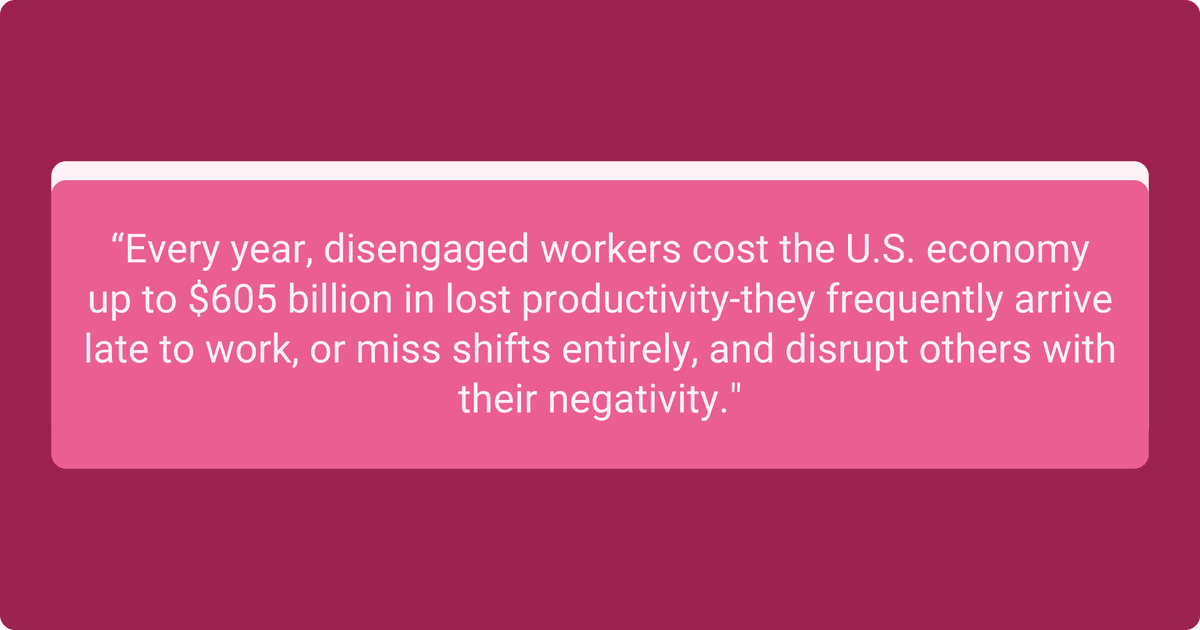
Team members in the high-skill, low-will matrix quadrant have the skills, knowledge, and experience to complete their responsibilities efficiently. However, they lack sufficient drive or motivation, which can negatively impact accuracy, performance, and project completion times.
They have the potential to genuinely help your organization, but their low morale and motivation may hold the rest of your team back if not addressed.
Characteristics of high-skill, low-will workers include:
- Disengagement and low motivation
- Slower performances and project completion rates
- Lack of confidence
- Low morale
- Negative demeanor
Managing high-skill/low-will employees
Understanding the root cause of an employee's disengagement is essential for giving them the support they need. While your skill matrix may help you identify potential trends in the employee’s abilities and motivational levels, it's crucial to consider each employee as an individual with unique experiences and needs.
This will help you determine what's actually contributing to their low will score, whether that's a lack of recognition, limited mental stimulation, or personal issues in their life.
Once you've learned what's actually going on, you can implement strategies that suit each person's unique motivational needs. For example, if a skilled employee feels under-stimulated or bored with their current work, you could offer them new, more challenging responsibilities with guidance and training.
Other common strategies for managing high-skill, low-will employees include:
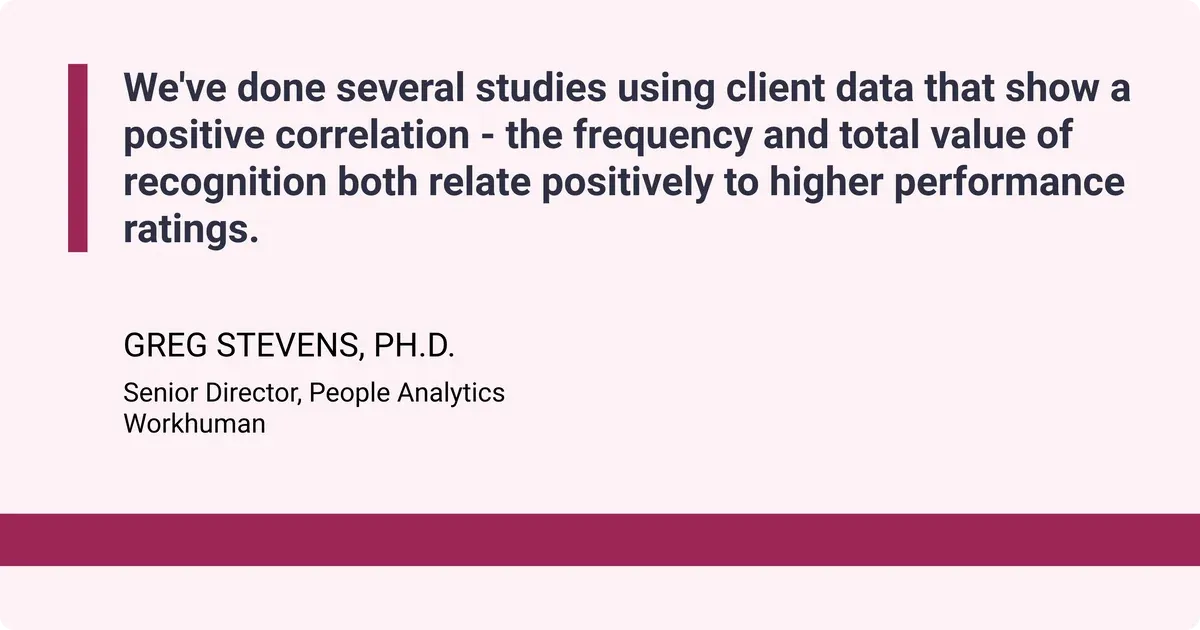
- Recognizing and rewarding their achievements
- Setting clear expectations and goals
- Delegating more engaging, less repetitive tasks
- Identifying roles that they are more aligned with
- Creating opportunities for teamwork, collaboration, and socialization
Low skill, high will (emerging talent): accelerating development
On the opposite side of the skill will matrix, employees with low skill levels and high motivation have the drive to grow within your organization.
However, they don't yet have the skills or experience needed to complete their jobs effectively. However, with the right coaching, management, and resources, they may one day become your team's top assets.
Common qualities of employees in the low-skill, high-will matrix quadrant include:
- Eagerness to perform
- Enthusiasm and high morale
- Confidence or over-confidence
- A willingness to learn
Managing low-skill/high-will employees
Developing highly motivated employees' skills can maximize their impact within your organization and expand what your team can achieve. First, you must identify the skills gaps that are preventing them from fully completing their responsibilities.
From here, you can set achievable goals and offer tailored training based on their precise needs. Many organizations adopt employee-driven learning and development strategies that help employees retain their new skills by actively putting them into practice.
Holistic strategies for managing low-skill, high-will employees include:
- Creating opportunities for job shadowing, mentorship, and collaboration
- Offering job and industry-specific training
- Establishing clear expectations and goals
- Delegating tasks that continuously expand employees' skillsets
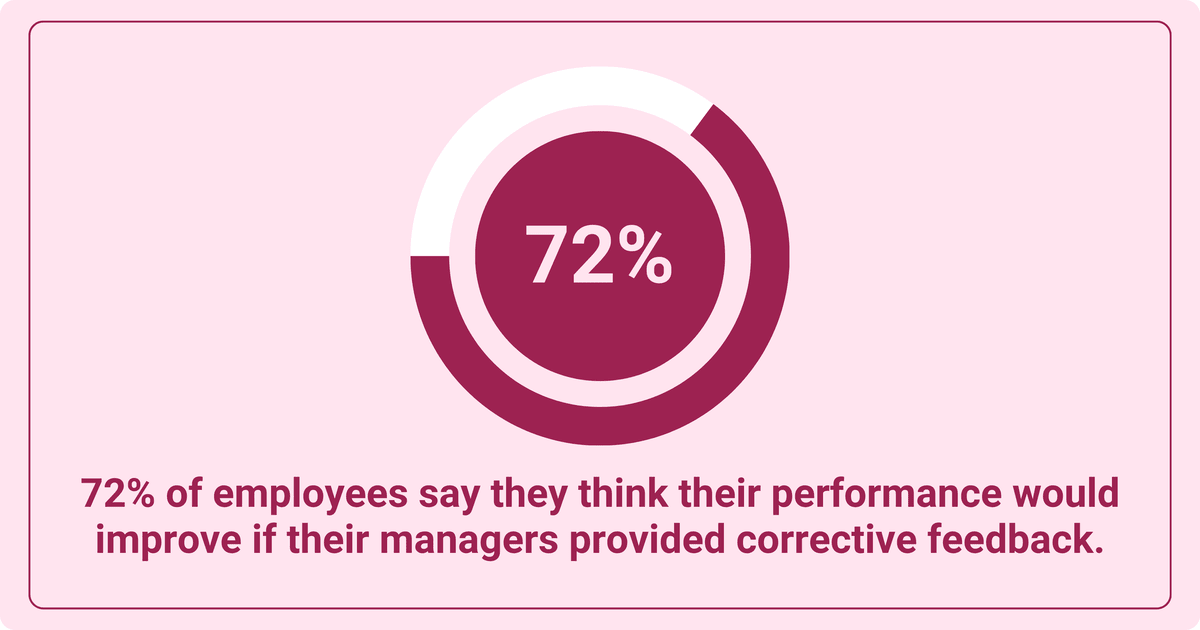
- Providing regular, actionable feedback
Low skill, low will (performance challenges): decisive action framework
If an employee falls in the low-skill, low-will matrix quadrant, they lack the competency and motivation to effectively fulfill their responsibilities. For example, an underqualified new hire may feel disengaged and lose confidence when faced with their new responsibilities.
This can result in them losing their enthusiasm and motivation to actually learn everything they need to know. However, with the right guidance, these employees may grow with your organization and become true team players.
Characteristics of low-skill, low-will employees include:
- Low engagement and performance
- Limited capacity to ask for help or seek guidance
- Difficulty adopting new tools or practices
- An unwillingness to learn or engage with their work
Managing low-skill/low-will employees
Most low-skill, low-will employees are not a lost cause. In fact, many great professionals may find themselves in this quadrant at some point in their career, especially when faced with new challenges.
Identifying the employees' areas of growth and the root causes of their decreased motivation can guide you as you coach and support them to be the best team members they can be.
Common practices for managing low-skill, low-will employees include:
- Identifying new roles and responsibilities that meet their skills and interests
- Providing intensive training and one-on-one coaching opportunities
- Offering motivational support
- Communicating clear instructions and expectations
- Creating a personalized performance improvement plan (PIP)
- Providing regular, actionable feedback
- Learning more about employees during one-on-one sessions
Unfortunately, there are some situations where you may not be able to move an employee out of the low-skill, low-will quadrant, such as for employees who are unwilling to learn or put in effort.
In other cases, it may not even be worth the investment of training these employees if their skills are lower than what your organization actually needs.
So, while it should rarely be your top choice, you must consider the advantages and disadvantages of letting low-skill, low-will employees go when assessing them.
How to create an effective skill will matrix in your organization
There's not a universal way to assemble your skill will matrix, as the criteria for each quadrant should be based on your unique team. Follow these simple steps to create and implement a skill will matrix for your organization:
1. Assess employee performance (skill and will levels)
First, you must define your organization's key skills and goals. Consider the hard skills most relevant to your organization and your employees' roles, such as data analysis, project management, and software proficiency.
Define these skills and ways to categorize employees' skill and proficiency levels to differentiate beginners and experts.
From here, you must use multiple factors and sources to assess team members' skill and will levels. Tools, such as Workhuman® iQ, analyze recognition data to create skills and competency profiles for individual team members.
This gives you a direct method to assess employees' skill levels based on all available data. Additionally, regularly soliciting employee feedback through surveys, self-assessments, and performance reviews offers more comprehensive insight into employees' strengths and weaknesses.
Sample questions to assess skill and will
Skill Assessment Questions
These help gauge an employee’s current competence and confidence:
- How confident do you feel performing your core responsibilities?
- What part of your role do you feel most skilled at?
- What tasks do you find challenging or need more training on?
- How often do you seek feedback or try new methods to improve performance?
- How would you rate your technical or functional skills compared to role expectations?
Will (Motivation) Assessment Questions
These explore desire, engagement, and attitude toward growth:
- What motivates you most in your current role?
- How excited are you to take on new or difficult tasks?
- Do you see a clear path for your growth here?
- How do you react when projects get repetitive or difficult?
- How connected do you feel to your team’s or company’s goals?
How to Use the Results
Encourage managers to combine self-ratings with 1:1 observations and peer feedback. For example:
- A team member who rates themselves high in skill but low in excitement might belong in the High-Skill/Low-Will quadrant.
- Someone eager to learn but unsure how to do tasks correctly would fall into Low Skill / High Will.
2. Plot employees on the matrix
From here, use the data you've collected to assign employees to their appropriate skill and motivation quadrants. Consider employees' educational backgrounds, work experience, and job performance data to evaluate their skill levels based on your previously defined proficiency levels.
Then, use performance analytics and other insights to assess their motivation, such as by tracking attendance or dips in their job performance. This evaluation is significantly more subjective than skills assessments, stressing the need to use employee feedback and other sources of data rather than solely sticking to 'the numbers.'
3. Plan appropriate strategies
Once you've plotted employees, plan management strategies based on each of their respective quadrants. For example, low-skill employees could benefit from more training and shadowing opportunities. On the other hand, additional incentives and personalized approaches could motivate low-will team members.
Beyond direct actions, you should also align your leadership and management styles with employees' needs. Low-skill employees may need more hands-on leadership than other employees, while high-skill, high-will employees could always use extra recognition.
4. Review and adjust
Employees may not stay in the same quadrant of your skill will matrix for long. For instance, your new motivational strategies may successfully move a low-will employee up to the high-will bracket. Meanwhile, an employee who stops learning new skills in a rapidly evolving industry, such as technology, may fall behind and dip into the low-skills quadrant.
Regularly reviewing and reevaluating your team members' placement in the skill will quadrant lets you identify any potential changes. This way, you can adjust your leadership strategies based on each employee's current needs.
These insights can also highlight your most successful management strategies or indicate that you need to change your entire evaluation and plotting criteria.
Common challenges with the skill will matrix and how to overcome them
The skill will matrix isn't a perfect system, especially if it lacks proper implementation. Misclassification, bias, and time spent creating the matrix can pose potential barriers and limit the level of support employees actually receive.
Understanding the key concerns, challenges, and practical solutions of this situational leadership model will maximize your impact and avoid common risks.
Adapting the matrix for different employee levels
Employees' skills and motivational needs vary based on their level within your organization. For instance, junior employees often need to learn several new skills and processes upon joining your company.
On the other hand, senior employees and leaders will need to dedicate their time to relearning information and staying up to date with evolving industry practices. Similarly, other factors that impact motivation, such as boredom and lack of recognition, may be more prevalent with long-term employees than new hires.
To account for these differences, you'll need to tailor the criteria and goals of your skill will matrix based on employees' levels of responsibility and experience. This way, you can accurately evaluate the factors affecting junior, mid-level, and senior employees and suggest the best support options according to their current needs.
Subjectivity and risk of oversimplification
Bias, limited information, and oversimplification can pose often unseen barriers when assessing skills and motivation. These challenges can negatively impact your skill will matrix in different ways:
- Subjectivity: A leader's personal bias and assumptions about an employee may cause them to classify them too high or too low, which can harm talent management. Additionally, leaders may rely too heavily on certain metrics, such as project completion time, and overlook other relevant data, such as the average number of errors per project.
- Limited information: Plotting new team members on the matrix without having enough data about their skills and work ethic can cause you to place them in the wrong quadrant. This can result in employees receiving insufficient support and coaching while limiting your opportunities to learn about their unique qualities.
- Oversimplification: While the skill will matrix can be useful, it inherently runs the risk of oversimplifying employees. Every person on your team is unique, and not everyone will fit cleanly into four categories. So, you must still consider each employee's distinct needs rather than treating every worker in the same quadrant exactly the same way.
Regular reviews, objective performance data, and multiple feedback sources can maximize the information available when plotting employees on the matrix. This way, you can avoid the risks of subjectivity and oversimplification and document everything important to employees' assessments for future reference.
Time-consuming implementation
Developing your business's skill will matrix, assessing employees, and launching quadrant-specific strategies takes significant time and effort. Beyond implementation, you must also spend time keeping your matrix and assessments up to date, particularly when supporting large or diverse teams.
In some cases, such as for smaller organizations, your time may be better spent working with employees one-on-one rather than creating and continually refining a complex matrix.
Fortunately, you can streamline your implementation process by creating reusable templates and integrating your data with existing HR systems, such as Workhuman. Additionally, involving key stakeholders early in the process can keep your matrix assessments focused on what's most important to your business.
Real-world examples of applying the skill will matrix
You can apply the skill will matrix to various aspects of your organization, from your leadership style to your onboarding and succession practices. Explore the most common applications of the matrix, including real-world skill will matrix examples.
Employee training and development
Skill will matrices don't just highlight which team members need additional training, but also the types and levels of training they'll realistically need. Advanced HR tools, such as Workhuman, can pinpoint the exact hard and soft skills that employees are struggling with, including communication, problem-solving, and time management.
These insights will help you tailor development plans for employees and for each of the four quadrants.
For example, a 2022 study titled Employee Perception towards Work EnvironmentOpens in a new tab showed how a Mumbai-based manufacturing organization developed a matrix that compared employees' present skill levels with where they were expected to be.
This comparison let leaders immediately identify how significant employees' skills gaps were and what type of training they'd need to reach the expected level.
The skill matrix's insights also helped the organization assess candidates' competencies during the hiring process to further limit its workforce skills gap.
Task delegation and motivation
Leaders, project managers, and supervisors can use the skill will matrix to delegate tasks for maximum motivation and efficiency.
For example, if an employee feels unengaged and under-stimulated with their work, you could assign them a wider diversity of tasks or some of your more challenging projects to raise motivation.
Alternatively, if you're operating on a tight deadline, a skill will matrix can identify your most efficient workers for maximum productivity.
Succession planning
A comprehensive skill will matrix can also spotlight potential future leaders and help your team plan for leadership transitions. Recognition data from Workhuman and other performance management tools, published in '11 Ways Employee Recognition Builds Better Managers,' can identify perfect candidates for development and succession.
Of course, leadership often requires a few additional skill sets, including problem-solving, integrity, and conflict management. Realigning employees' matrix criteria lets you evaluate their current leadership abilities and identify the business skills they'll need to learn before stepping up.
A 2024 study, ‘Preventing the Training Mismatch: Application of Skill-Will Matrix in Developing Women Foodpreneur’, used a skill will matrix to measure women's entrepreneurial skills in the food industry, with only about 13% of those in the study ranking with both high will and high skill.
These insights highlighted the importance of focusing on business skill development and motivating high talent to continue pushing their careers forward.
Managing an agile team
Beyond training and promotions, the skill will matrix is an excellent situational leadership model for managing agile teams. The matrix and other HR tools offer invaluable insights into employees' strengths, weaknesses, and goals.
Understanding your team can then help you adapt to rapidly changing environments and leverage team members' skills and motivations for maximum impact.
The matrix's insights can also support proactive growth. Rather than just comparing employees' present skills and your current needs, you should also consider your business's potential future needs.
For instance, you could invest in additional training in artificial intelligence (AI) and other technologies that are becoming increasingly prevalent in your industry.
Onboarding new team members
As discussed earlier, integrating the skill will matrix into your leadership style can help you assess and onboard new employees. The matrix can highlight the key skills that new hires need to learn when starting with your organization.
It can also identify the processes that the new team members struggle with during the transition, whether they lose motivation or don't understand specific software practices. This information will help you refine your onboarding process and tailor talent development strategies to each individual team member's needs.
Skill will matrix template
While you should write skill and motivation criteria specific to your unique business needs, all skill will matrices start with the same basic template. Use the skill will matrix template below to craft and implement your own version:
| Low Skill | High Skill | |
| High Will | Eager, enthusiastic, and confident employees who lack the desired skills but have a willingness to learn | Highly motivated, self-sufficient employees with job-specific competency and training |
| Low Will | Unengaged, low-performance employees who struggle with new tools, aren't willing to learn, and don't ask for help | Unengaged employees who have the skills to complete their work efficiently but are held back by low morale, lack of confidence, and other factors |
Conclusion
The skill will matrix can effectively guide how you manage your team by suggesting employees' ideal tasks, training options, and motivational needs.
While you should avoid oversimplifying or misclassifying team members, the matrix's four quadrants let you categorize and assess each employee based on their unique strengths and weaknesses.
These insights can support onboarding, training, employee growth, team collaboration, and many other aspects of your organization.
Your employees are your organization's greatest resources, and they deserve to be seen and managed as the individuals they are. Workhuman can maximize your HR insights to help you build culture and make a real impact with your team.
About the author
Ryan Stoltz
Ryan is a search marketing manager and content strategist at Workhuman where he writes on the next evolution of the workplace. Outside of the workplace, he's a diehard 49ers fan, comedy junkie, and has trouble avoiding sweets on a nightly basis.