Skill Building in 2026: Activities, Strategies, and Benefits
Table of contents
- What is skill building?
- Why is skill building important?
- Tips for building effective skills in high-performing organizations
- Examples of effective skill building activities
- Skill-building worksheets and resources
- Overcoming challenges in skill building
- Measuring success in skill building
- Building skills for long-term success
Almost half (49%) of learning and talent professionals say their company is facing a skills crisis, according to LinkedIn’s Workplace Learning Report 2025.Opens in a new tab
Not having the right skills isn’t just a minor inconvenience. For professionals, it can make the difference between thriving in the workplace or constantly feeling left behind. For businesses, skills gaps can lead to lost revenue and even stall transformation.
Fortunately, most skills are relatively easy to learn with the right resources (and a little patience). This guide shares practical tips and tools for skill building so you can adapt to whatever comes next.
What is skill building?
Skill building means learning new abilities and improving the ones that you’ve already got in your toolkit.
This process usually involves a lot of deliberate practice. For example, you could learn public speaking by reading communication tips and rehearsing your hand gestures in a mirror. You might even join an organization like Toastmasters International to get feedback or volunteer for more presentations at work. Over time, these strategies can help you become a more comfortable and confident speaker.
People often assume that skill development is only for technical (or “hard”) skills, but that’s not true. As the above example shows, you can also gain interpersonal (“soft”) skills like communication and leadership. These abilities might not be as clear-cut as memorizing a programming language or a math formula, but they are learnable skills.
Another common myth is that going back to school is the only way to gain skills. While college courses may help you learn skills faster, there are plenty of alternatives. If you want to learn prompt engineering, for instance, you can watch tutorials and learn with the help of AI tools – no computer science degree necessary.
Why is skill building important?
Nine out of ten learning and development professionals say continuous learning matters more than ever for career success. Here’s why individuals and companies should be making skill development a top priority.
Benefits of skill building for employees
When you’re passionate about your career, learning new skills can be a positive challenge. For example, a marketer might happily spend hours learning how to make TikTok videos, while a mobile developer may dive into a new language with gusto. But it’s not just about entertainment. Here are a few reasons to invest in your skillset.
Career growth and job satisfaction
According to a Gallup and Workhuman study, 60% of employees build new skills to do their jobs more effectively. Others do it to climb higher in their current organizations (11%) or even pivot into an entirely new career (5%).
Focusing on in-demand skills is a great way to fast-track your career development. Upskilling helps employees feel happier, more productive, and more secure in the workplace. When employers support their workers’ professional growth, they’re more motivated to succeed and less likely to leave for another opportunity. Building skills is also a valuable confidence booster that can help employees feel better prepared to handle new tasks.
Increased adaptability and security
Most jobs don’t look exactly the same as they did five years ago, or even five months ago. Nearly half (45%) of employees say they’ve had to learn new technologies in the last 12 months, and 40% report that their daily responsibilities have changed, according to PwC’s 2024 Global Workforce Hopes and Fears Survey.
Skill building can help you stay resilient and flexible, even when the ground feels like it’s shifting under your feet. For example, learning a new software program doesn’t seem as daunting when you already have excellent digital and time management skills.
Broadening your skills also improves job security. A copywriter, for instance, might sharpen their editing and social media skills to stay competitive as demand for pure writing drops : a trend that’s already happening with the rise of AI.
Organizational benefits of skill building
While you can certainly gain new skills on your own, it’s easier if your employer offers support. However, LinkedIn reports that only 36% of organizations are “career development champions” with strong upskilling programs.
Here’s why investing in reskilling and upskilling is well worth it for businesses.
Increased productivity and performance
Teaching employees the necessary skills can improve the entire organization’s performance. According to Gallup, companies that invest in employee development are 11% more profitable than their competitors.
Upskillers are more efficient, too. Gallup estimates that businesses can boost productivity by 14% just by giving twice as many workers the chance to learn and grow at work.
Stronger talent retention and leadership development
Turnover, and all the hiring and training that inevitably follows it , is the bane of every manager’s life.
Employee development can help companies avoid this problem by doubling their retention rates. After all, people who feel supported and fulfilled at work are less likely to start trawling LinkedIn for new roles.
And when more highly qualified employees stick around, it’s easier to plan succession. An entry-level software developer, for instance, may have secret leadership potential, but they need the right training and encouragement to unlock it.
Improved project management
Skill building also helps with complex projects. For example, someone with stellar time management and budgeting skills can keep initiatives on track more effectively.
Interpersonal skills are just as critical. A project manager often needs to communicate with dozens of employees, negotiate with subcontractors, maybe empathize with an irate client. Strong soft skills will help them navigate the human side of projects with grace.
Tips for building effective skills in high-performing organizations
There’s no single way to gain essential skills for future success. It all comes down to your goals and what resources you (or your employer) have. These strategies will help you level up your skillset, no matter what you want to achieve.
Strategies for developing at the individual level
Follow these best practices to expand your personal toolkit and knowledge.
Setting clear and actionable goals
You probably wouldn’t get in your car and drive across the country without a destination in mind. Your skill building journey should be just as deliberate.
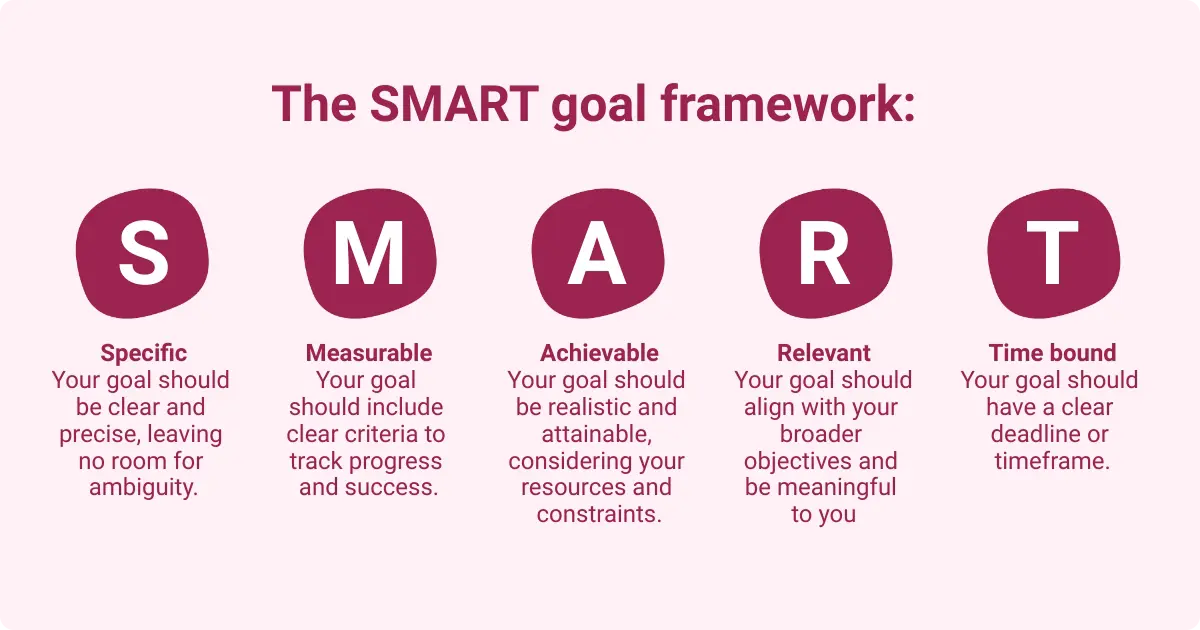
Start by setting SMART goals, which are:
- Specific: Clearly define exactly what you want to learn.
- Measurable: Make sure you can track your progress with hard data.
- Achievable: Focus on skills you can realistically learn with the available resources.
- Relevant: Obviously, your professional development efforts should fit your career goals. For example, don’t waste time mastering graphic design if you want to transition into data science.
- Time-bound: Set a realistic deadline for yourself. Otherwise, you might procrastinate, or spend far too much time learning advanced skills you don’t really need.
Use these criteria to create one or two goals for yourself. Here are a few examples for inspiration:
- Spend one hour a day in January studying Python and use it to build a fun game for your kids.
- Complete Tableau tutorials and use the software to analyze two new datasets this quarter.
- Design five infographics this month and ask for feedback from your mentors.
The importance of self-assessment
It’s easy to lose sight of your goals as you fill your to-do list with skill building activities. But don’t forget to track your progress. Otherwise, you might focus on the wrong skills or not learn as efficiently as you could.
Many websites offer free skill assessments that you can use to get a baseline. These tests can also uncover areas of improvement that you may not have noticed on your own. For example, you might think you need to focus on data analysis but realize that you need to sharpen your calculus skills first.
Consistent practice and repetition
You wouldn’t expect to master a Mozart sonata on the piano overnight, and you shouldn’t rush your professional development, either. Try planning regular sessions, like an hour every morning or Friday afternoons, to practice your new skills and reinforce what you’ve learned.
Embracing mistakes as learning opportunities
Setbacks are a natural part of the skill building process. If you make a mistake, take a step back to figure out what went wrong and learn from it.
Tips for effective skill building at the organizational level
You don’t need to launch a full-fledged professional development program overnight. Use these strategies to support skill building gradually.
Create a skill development strategy to target skill gaps
Start with a workforce skills gap analysis to see which skills your team already has and where you’re falling short. For example, you might find that you have plenty of fabulous data crunchers but little AI knowledge.
This competency mapping process will help you create structured individual development plans (IDPs) that fit each employee’s growth into your big-picture goals. This allows you to focus your skill-building strategy on the most critical needs.
Offer continuous learning opportunities and mentoring programs
Effective learning doesn’t happen in a vacuum. Create skill-building mentoring programs so employees can get one-on-one support. Online courses and certificates are another way to support employee-powered learning, especially for people who don’t have the willpower or direction to study by themselves.
Provide feedback and performance reviews
While self-assessment is valuable, employees also need regular feedback from objective sources to keep making strides. Schedule monthly feedback sessions to chat about their progress and offer guidance.
Promote cross-functional collaboration
Encourage employees to work on projects with colleagues from other departments. A sales team, for instance, might partner with IT to design a new database for customer data. These sorts of collaborations can push their communication and teamwork skills to new levels.
Recognize and reward skill growth
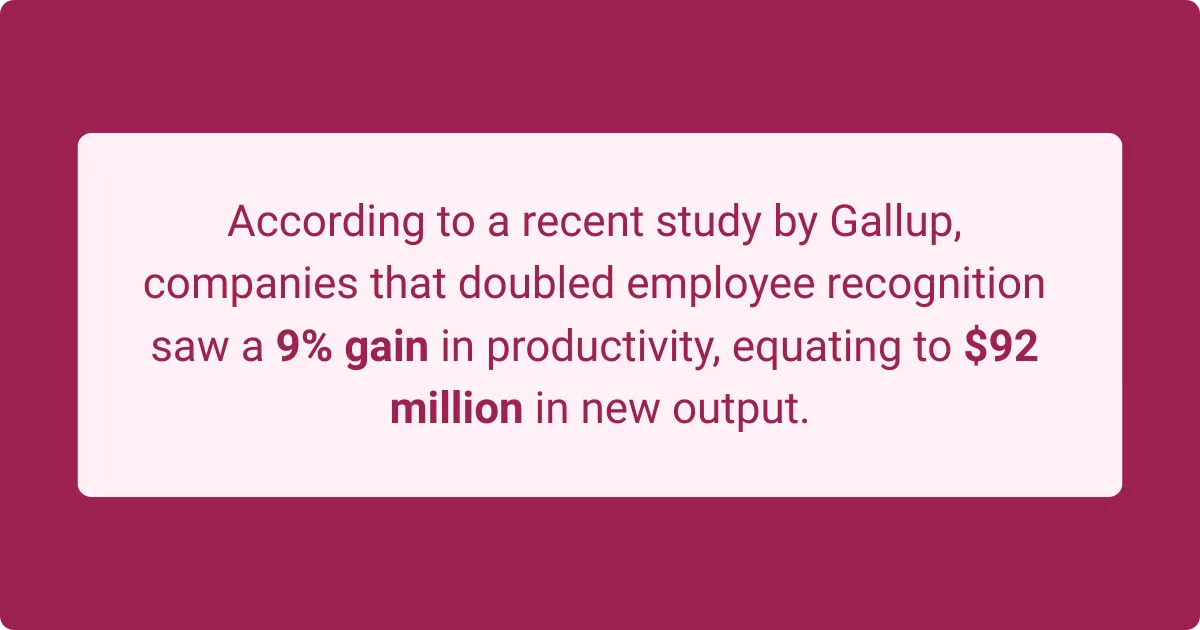
Even the most disciplined upskillers need the occasional acknowledgment to stay motivated. Even small moments of recognition can have a huge impact on productivity.
Foster a culture of continuous improvement
Skill building should be a lifelong process, not a one-and-done event. Create a growth-minded culture by celebrating your team’s successes and offering resources for development. For instance, a stipend for online classes or protected time for on-the-job training can encourage even reluctant employees to start learning.
Examples of effective skill building activities
Ready to start leveling up your skill set? Try some of these exercises:
Practical skill building activities
Chances are that you already encounter many skill building opportunities in your daily life. Here are a few ways to improve your hard and soft skills:
- Job shadowing: Tag along with a mentor for the day to learn about their role and see how they work on their abilities.
- Volunteer: Sharpen your hard and soft skills while helping a good cause. An animal shelter, for instance, might be happy to let you practice your marketing or data analysis skills.
- Online courses: Platforms like CourseraOpens in a new tab and even Harvard offer free classes on in-demand skills.
Developing technical skills
Focusing on your digital skills? Follow these tips to stay competitive:
- Attend webinars hosted by professional organizations, such as the Association for Advancing Automation
- Complete a tech certification from Google or Microsoft
- Participate in coding challenges or hackathons
Gaining soft skills
Interpersonal skills are less quantifiable than digital ones, but these activities will help you strengthen them:
- Join a debate club to improve communication and critical thinking
- Practice mindfulness for greater emotional intelligence
- Take on a leadership role at a community organization (even your kid’s sports team counts)
Building leadership skills
Volunteer to spearhead projects at work or mentor less experienced employees. Simple experiences like these can strengthen your delegation and decision-making skills, priming you for future leadership roles.
Collaborative skill building
Team building activities might sound a bit corny, but you don’t need to do any trust falls. Instead, look for opportunities to collaborate with other departments or co-organize a conference panel.
Skill-building worksheets and resources
Don’t just start studying skills randomly. Use these resources to decide what to focus on and stay organized:
- Academy to Innovate HR Professional Development Templates Opens in a new tab
- Careersmart Skills Audit Opens in a new tab
- Google Project Management Certificate Opens in a new tab
- Workhuman Skills Taxonomy Guide
How to create effective skill-building worksheets
If none of the online worksheets are speaking to you, why not design your own? Platforms like Canva and Notion offer free templates that you can easily customize.
For example, you might include:
- A short assessment for current skills ("Rate your communication on a scale from 1 to 5”)
- A template for creating SMART goals
- A section for an action plan, complete with milestones and deadlines
Update your worksheet regularly to make sure you’re meeting your goals. You can also use different colored fonts or blocks to track different skills, like green for Java and red for SQL.
Overcoming challenges in skill building
If upskilling and reskilling were simple, everyone would be an expert in, well, everything. Here are a few common roadblocks and tips for conquering them.
Overcoming procrastination and lack of motivation
Consider finding an accountability buddy to discuss your progress and challenges with. You can also break skill building initiatives into smaller tasks to help make them feel more manageable.
Time management
There’s no real remedy for a packed calendar other than making time. Carve out at least a few hours a week for skill building, and try to observe this time as best you can. For example, you might get up 30 minutes earlier each morning to study coding.
Dealing with failure and setbacks
Don’t beat yourself up if you fall short of your goals or run into obstacles. Just recalibrate, ask a mentor for guidance, and get back to skill building. After all, grit is a key ingredient for success.
Measuring success in skill building
You probably won’t have a teacher or boss hovering over your shoulder, especially if you’re learning independently. Here’s how to tell if you’re on the right track, sans report card.
Tracking progress
Complex skills can take a long time to master. Set milestones to make sure you’re making progress and give yourself mini-achievements to celebrate (absolutely necessary for morale). For example, if you want to learn software development, your milestones might include:
- Complete an online Python course
- Build a basic task-tracking app from scratch
- Develop a simple website
- Join a hackathon for beginners
Collecting metrics can help measure developing skills, too. This could be as simple as recording how many hours you spend building a website or how many times your boss asks you to edit a presentation.
Using feedback for improvement
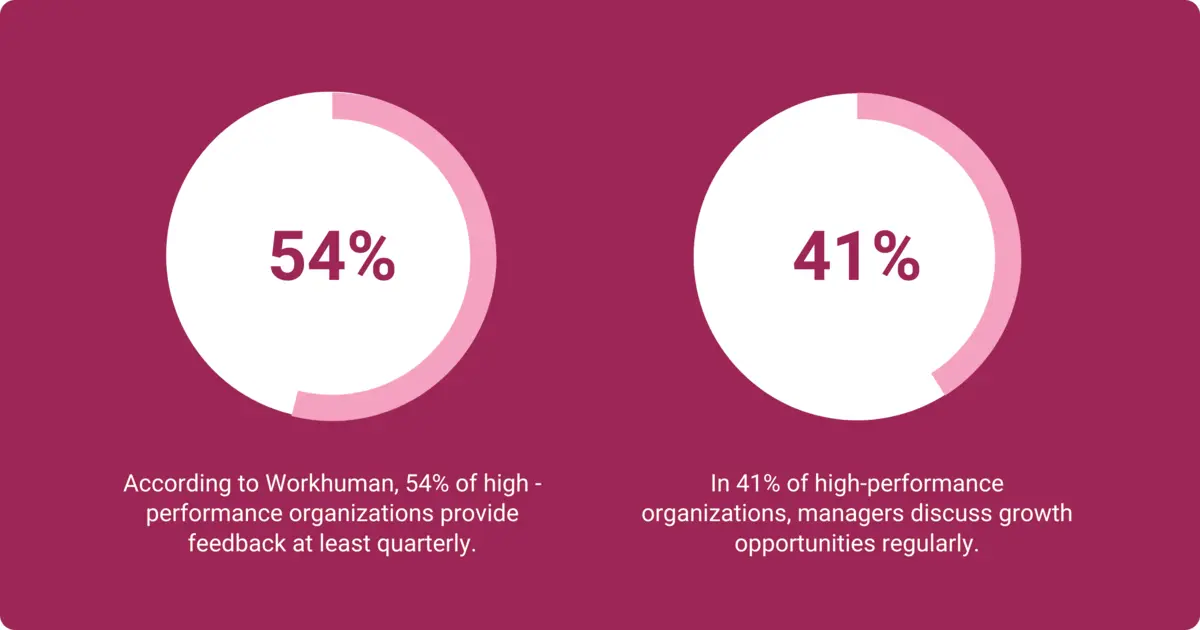
Getting feedback might sound scary, but it can help you see how far you’ve come and where you still need to go. Ask a trusted mentor or supervisor to review your progress at least quarterly and offer practical advice.
Building skills for long-term success
Skill building shouldn’t feel like a chore or burden. It’s an opportunity to invest in your personal growth and career advancement. For organizations, it’s a chance to supercharge productivity and show employees that leadership cares about their development. As the job market evolves at lightning speed, continuous learning is non-negotiable.
About the author
Ryan Stoltz
Ryan is a search marketing manager and content strategist at Workhuman where he writes on the next evolution of the workplace. Outside of the workplace, he's a diehard 49ers fan, comedy junkie, and has trouble avoiding sweets on a nightly basis.