Mastering Relationship-Building Skills in 2026: A Comprehensive Guide
Table of contents
- What are relationship-building skills?
- Why are relationship-building skills important in the workplace?
- What are the key skills for building strong relationships?
- How to improve professional relationship-building skills?
- Showcasing relationship-building skills on your resume
- Real-life examples of relationship-building skills
- Strengthening your relationship-building skills
You probably don't think of your workplace as the center of your social life. However, you're building real relationships every day, from lighthearted conversations in the break room to complex collaborations over interdepartmental projects. According to the KPMG Survey: Workplace Friendships Play a Critical Role in Employee Mental Health, Job SatisfactionOpens in a new tab, 81% of employees consider work friends to be highly important, and 84% believe their companies should help foster these connections.
Building workplace relationships isn't just about having a buddy to meet for lunch or vent with about a difficult project. These connections can also help you build social capital, which opens up new resources and opportunities. A chance conversation with a more senior colleague, for instance, could turn into ongoing mentorship. A strong relationship with your manager could inspire them to recommend you for a new leadership opportunity.
Some people seem to naturally attract acquaintances and friends, but most have to work at it. This guide offers practical strategies for developing strong relationship-building skills. It also walks you through how to add these skills to your resume so you can win over potential employers.
What are relationship-building skills?
Relationship-building skills are soft – or interpersonal – skills that allow you to connect, communicate, and collaborate effectively with others.
These abilities are different from the so-called relationship hacks that you may have seen in podcasts or TikTok videos. Make the right amount of eye contact or mirror the other person's body language, this content claims, and you can connect with anyone.
By contrast, relationship-building skills aren't about psychological tricks or formulas. They help you build authentic connections with the people you encounter, whether that's the colleague in the next cubicle or a peer you met at a professional conference.
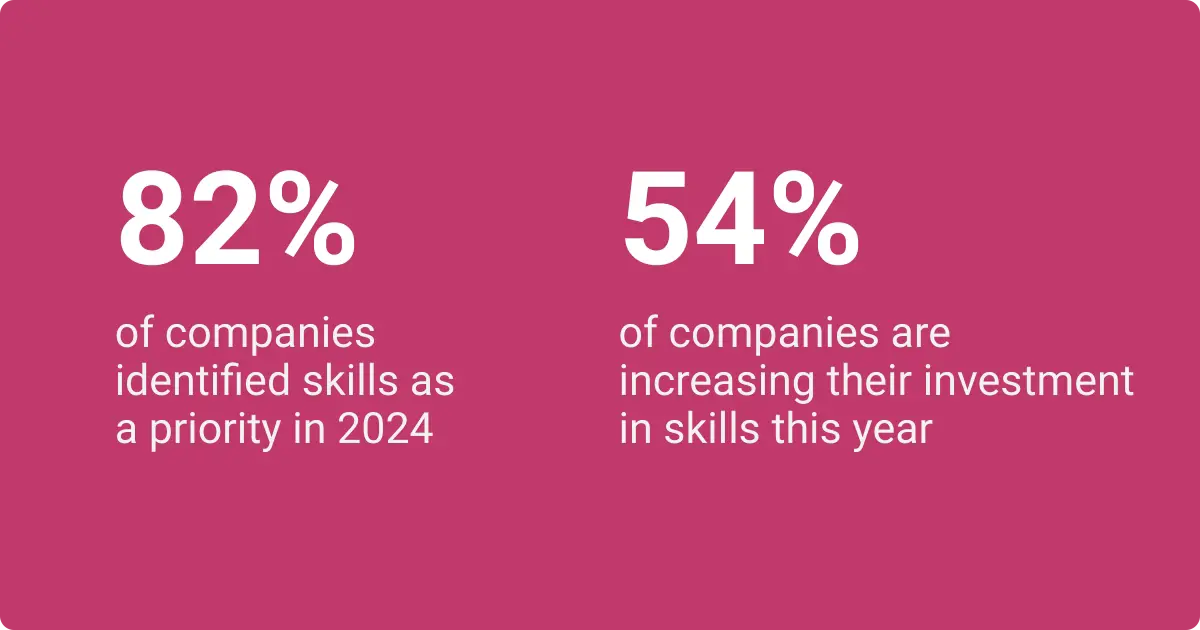
With 54% of companies investing in professional development, it's the perfect time to focus on these soft skills. With a little practice, you can strengthen your existing connections and watch your network grow new branches.
Why are relationship-building skills important in the workplace?
People sometimes dismiss professional relationships as frivolous or even distracting. "I'm just here to do my job," you may have heard colleagues say. However, learning how to form genuine connections has many personal and professional benefits.
Team collaboration
It's no secret that strong relationships lead to a more productive team culture. When you trust your colleagues, you feel more comfortable suggesting out-of-the-box ideas. That can lead to more creative and collective problem-solving.
These bonds can also boost team morale. Employees who feel more connected to their professional networks are 1.5 times more likely to be engaged at work than their disconnected peers, as observed by a McKinsey study titled ‘Network effects: How to rebuild social capital and improve corporate performance’.
When everyone feels engaged and eager to contribute, it creates a much more positive culture. Suddenly, teamwork is a joy, not just another task to check off the list.
Conflict resolution
Your colleagues might not be getting into shouting matches during Zoom meetings, but that doesn't mean your workplace is conflict-free. Two out of three workers (66%) say they've experienced or witnessed incivility in the last month, claims SHRM in their March 2024 study, ‘Workplace Incivility Is More Common Than You Think’.
Effective relationship-building skills can help you resolve disputes constructively and without stirring up more negative emotions. Say, for instance, your colleagues are bickering about who should come in on Saturday to finish an almost overdue project.
Active listening skills can help you understand everyone's viewpoints, defusing the tension and putting them in a more cooperative mood. And, if you're a savvy negotiator, you could persuade one person to volunteer in exchange for someone else taking over their dreaded Monday report. Crisis averted.
Leadership development
If you want to lead others, focus on strengthening your relationships with them first. A foundation of mutual trust and respect will help you engage your team and get buy-in for your decisions. It also makes it easier to share constructive feedback. Instead of reacting defensively to criticism, employees will be more willing to listen if they know you genuinely care about their professional development.
Positive relationships also affect morale. Employees who work with people-oriented leaders feel more satisfied and motivated to do their best.
What are the key skills for building strong relationships?
There's no magic formula for effective relationship-building, but a few core skills can make it easier for you to build meaningful connections with practically anyone.
Active listening
Active listening is a deceptively difficult skill. Sure, you might be taking in the words that the other person is saying, but are you really hearing them? Or are you too busy trying to remember what you packed for lunch, or thinking about your response, or a thousand other things?
Focus on genuinely hearing and processing what other people say. That means clearing your mind of distractions – at least, as much as you can – and giving them your full attention. Ask follow-up questions to draw out more details, and give feedback to show that you understand.
A simple "Wow, that sounds frustrating" or "Huh, can you tell me more?" will go a long way to making the other person feel valued.
Body language says a lot, too. Observe the speaker's facial expressions, posture, and other unspoken cues to learn more about how they feel. If your colleague says their big project is "great" but suddenly stops smiling, that's a sign to probe a little deeper.
Empathy
Discussing emotions at work might seem too touchy-feely, but empathy is the foundation of strong relationships. This skill helps you understand and even share others' emotions, leading to deeper connections. For instance, if you sense that a coworker feels frustrated, invite them to talk about what's bothering them without fear of judgment. That builds mutual respect and loyalty.
Empathy can have tangible effects that go beyond a shared moment of commiseration or celebration. In a 2023 EY US Consulting studyOpens in a new tab, 87% of employees said they're more creative, and 85% reported improved creativity when they have empathetic leadership.
Effective interpersonal and communication skills
Effective communication is another cornerstone of healthy relationships in the workplace. When you can share your messages clearly and concisely, you can avoid awkward misunderstandings and make sure everyone is on the same page.
Verbal communication is an easy place to start. Be mindful of your language and tone whenever you speak with colleagues. The last thing you want to do is offend someone with a culturally insensitive joke or an annoyed tone. You should also think carefully about your body language. A smile and a relaxed posture are much more inviting than crossed arms.
Building trust
It takes time to build trust, and it can vanish in an instant if you behave poorly. Earn your team's confidence by making sure that your actions match your words. If a coworker confides in you about a personal issue, don't gossip about it with someone else.
And if you promise to deliver a key report by Friday morning, avoid slacking off all week and missing the deadline. Over time, reliability and consistency will help you build stronger relationships.
Adaptability
You might not think of flexibility as an interpersonal skill, but it's critical for building relationships. It allows you to be open to change and spontaneity in your interactions. If a potential mentor invites you to dinner at the last minute, adaptability makes it easy to say yes – even if you were planning for a quiet night at home.
This ability also allows you to embrace unexpected ideas, like a new format for marketing videos or a different way to crunch data.
Emotional intelligence
People with high emotional intelligence (EQ) can recognize and handle their feelings in productive ways. They also recognize and influence the emotions of others. If a coworker feels stressed before a big presentation, for instance, a person with strong EQ might distract them with jokes or invite them to do a deep breathing exercise.
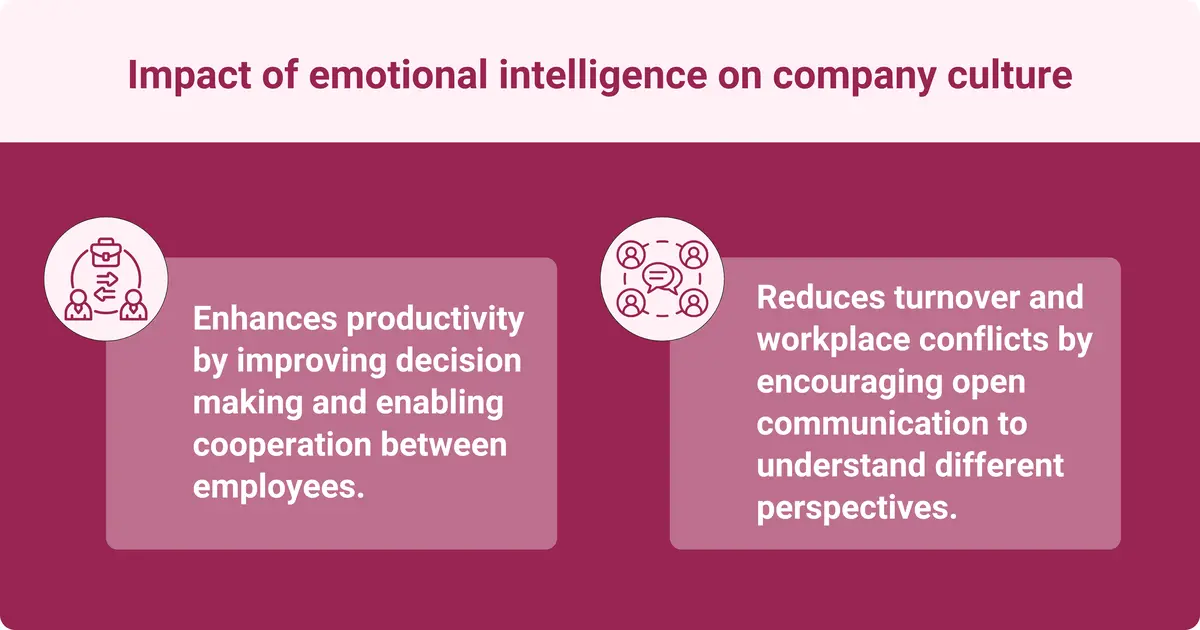
Emotional intelligence in the workplace goes hand in hand with excellent communication. When you're in tune with other people, it's easier to express your thoughts and collaborate. When leaders have high EQ, their employees' performance and morale also improve.
Recognition and appreciation
Acknowledging the contributions of other people is an often, well, unrecognized art. A simple shout-out – like "Kate did such a fabulous job with this report!" – is sure to give the recipient a warm feeling, which helps create rapport.
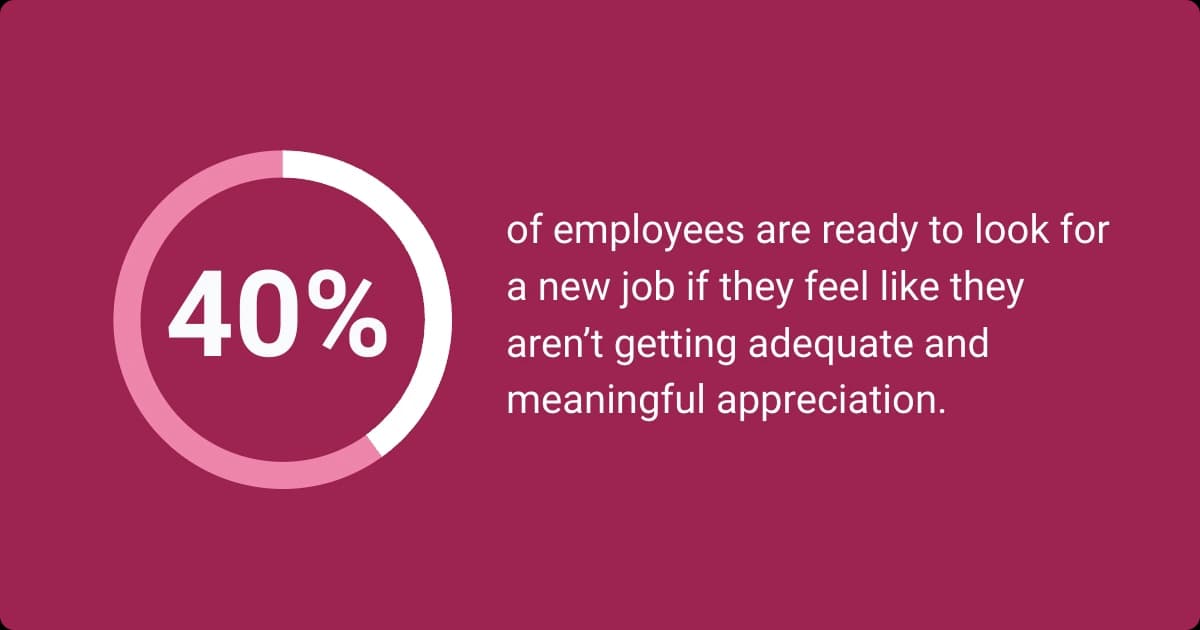
Recognition also encourages people to stick around. Gallup and Workhuman research, ‘The Power of Recognition Done Right’, found that well-recognized employees were 45% less likely to have left the company within two years. That means you can form deeper, more long-term relationships.
Workhuman's® Social Recognition software makes it easy to celebrate success. Use it to nominate teammates for awards and show how much you admire them.
Networking
While bonding with your teammates matters, be sure to look outside your immediate work circle. Actively seek networking opportunities to build and maintain professional relationships with mentors and peers. Good networking skills could be as simple as chatting with thought leaders on social media or attending an after-dinner social event at a professional conference.
How to improve professional relationship-building skills?
Learning how to develop positive connections doesn't happen overnight. If it did, everyone would have dozens of friends and the kind of professional networks even influencers crave. However, there are plenty of ways you can actively get better at improving and maintaining relationships.
Practice active listening
Active listening is one of the best ways to connect with someone and foster collaboration. After all, you can't truly get to know them if you don't understand what they're saying. These tactics will turn you from a passive listener to a fully engaged one:
- Remember the little details. Have you ever had a barista memorize your order (iced vanilla coffee, three sugars)? Small gestures like this build trust and show how much you care.
- Avoid multitasking during conversations. Skimming an email or brewing a pot of coffee while you chat may not seem like a big deal, but it prevents you from fully participating in the conversation.
- Show you're listening with your body language. There's nothing worse than chatting with someone who stares blankly off into the distance. Make eye contact and give the occasional nod to demonstrate your interest.
- Ask when you don't understand something. Don't let the other person's words wash over you in a sound wave. Ask clarifying questions and nudge them for more details when you're confused or want to know more.
- Be open-minded. Avoid making assumptions, and be kind. Remember, the goal is to understand and connect with others, not judge them.
Foster empathy in daily interactions
Unless you have psychic powers, it's impossible to know exactly what other people are thinking. But you can try to understand and relate to their emotions.
Start by trying to find common ground with your colleagues instead of dwelling on your differences. Take an interest in their families, goals, and other personal details. Recognizing shared interests or experiences is a simple but effective way to foster empathy.
Look for opportunities to experience different perspectives and cultures. Try new activities that connect you with people outside your usual social circle. A Millennial, for instance, could volunteer at a retirement home or join a birding group. These experiences can strengthen your emotional connections at work and beyond.
Reading fiction about diverse characters can also help you see the world from new perspectives. You might not have much in common with a character living through the Vietnam War or navigating an arranged marriage, but novels can make it easier to imagine how they might feel. And that awareness translates to greater emotional intelligence in your everyday life.
Seek constructive feedback
It's often hard to recognize your own weaknesses, especially when it comes to interpersonal dynamics. Just scroll through any relationship advice forum to see how many people struggle to get things right.
Ask trusted colleagues and mentors for constructive feedback about your relationship-building skills. Use these questions to start the conversation:
- What do you think are my strengths as a colleague or friend?
- How effective am I as a communicator? What should I focus on to get better?
- How do you think other people see me in the workplace?
- How can I improve my relationship skills?
- Do I have any habits that might be negatively affecting my relationships?
These topics can feel incredibly personal. Go into the conversation with an open mind, and don't get defensive. If you're not sure how to respond to the feedback, take a few days to mull it over instead of getting defensive. It might sting to hear your mentor say you interrupt too much, but that hard truth could help you grow.
Get involved in team-building activities
When you think about activities for team building, you might picture trust falls or cringe-worthy icebreakers. But don't be too cynical. There are plenty of exercises that genuinely improve team dynamics and encourage trust, such as:
- Book clubs
- Charades and Pictionary — basically, anything that tests your team's nonverbal communication
- Improv games
- Scavenger hunts
- Trivia nights
Even if these activities feel a little silly or awkward, the shared experience will help you and your colleagues connect more.
Be adaptable in your approach
Everyone is unique, so don't get too caught up in one particular communication style. Be flexible and adapt to the person and situation. One coworker might appreciate lots of eye contact, while another prefers to walk side-by-side while chatting about upcoming projects. Tweaking your tactics will help keep everyone comfortable and happy to engage.
Role-playing scenarios
There's no redo button when you have an awkward or unpleasant encounter in real life. But with role-playing exercises, you can practice handling tricky interpersonal situations before they happen.
Have a colleague pretend to be an irate client, and try using your active listening and communication skills to satisfy them. Or rehearse giving negative feedback to a coworker who isn't pulling their weight on a major project.
These exercises might seem silly, but they teach you how to think on your feet in high-pressure situations. They also boost your confidence so you feel better prepared for difficult interactions.
Show appreciation
As you work through your individual career development plan, don't forget to acknowledge your peers. After all, you can't build relationships and practice collaborating without other people.
Use a recognition platform to spotlight your coworkers' contributions. That way, the entire company can see how amazing they are. You can also show your gratitude with small gestures, like a handwritten thank-you note, a coffee shop gift card, or a small box of candy. Small acts like these can have a lasting impact on your professional relationships.
Showcasing relationship-building skills on your resume
You put a lot of time and effort into building skills, so don't let your hard work go unnoticed. Here's how to highlight these in-demand skills for a job resume.
Identifying relevant skills
The spray-and-pray method won't get you far in today's job market, especially if you're using the same generic resume for every application. Instead, spend a few minutes customizing your resume for each role.
Read the job ad thoroughly, and look for any interpersonal skills that match your experience. Add these abilities to your resume, either by weaving them naturally into your job descriptions or by listing them in a dedicated skills section. If you worked as a social media marketer, for instance, you might write, "Collaborated with micro-influencers to develop holiday campaigns for TikTok."
Providing concrete examples
Anyone can claim they're an excellent communicator or active listener, but that doesn't tell potential employers much. Go one step further by sharing two or three specific examples of how these skills have helped you achieve positive outcomes.
Here's how that might look for a human resources coordinator:
- Provided detailed performance feedback every month for 40 employees, leading to a 25% increase in productivity in six months.
- Redesigned the onboarding program with clearer and more concise messaging, reducing training time by five hours per hire.
- Collaborated with the marketing department to develop an Instagram recruiting campaign that resulted in three new hires.
Using action-oriented language
Mentioning the same skills again and again can get tedious, even in a one- or two-page resume. Instead of repeating yourself, use vivid verbs to demonstrate your skills. For example, "I mediated multiple coworker disputes and helped them reach a consensus" is much more compelling than "I'm good at conflict resolution."
Real-life examples of relationship-building skills
Need a little inspiration for your upskilling efforts? Reading case studies can help you identify must-have skills and see what other professionals and organizations prioritize.
The beauty company CotyOpens in a new tab is using a cutting-edge tool to strengthen interpersonal skills: the Metaverse. It designed a virtual campus where employees can collaborate to complete quests and earn rewards. This engaging approach gamifies professional development while encouraging workers to practice communication and co-creation.
Meanwhile, Chewy has built a reputation based on active listening and empathy. The pet supply retailer frequently goes viral for its compassionate gestures. One of its signature moves is sending handwritten condolence cards and flowers to people who have lost pets or family members.
These gestures don't cost much, but they generate goodwill with customers during stressful times. This example demonstrates how building a relationship-centered culture can pay off for companies.
Strengthening your relationship-building skills
You may feel tempted to focus on digital or technical skills as you plan your career advancement. However, interpersonal abilities are just as essential. When you consistently make the people around you feel valued and supported, your professional network will naturally expand. You may also become the go-to person for difficult conversations and vent sessions.
Of course, no one magically wakes up with stronger communication skills or an extra dose of empathy. To grow personally and professionally, you have to actively work on strengthening your relationship-building skills — just like you'd hit the gym to tone up your muscles.
Take the next step by assessing your current skills and seeking feedback from a mentor or colleague. Then, focus on one or two areas at a time so you don't spread yourself too thin. And don't forget to celebrate your most helpful coworkers or leaders through thoughtful notes or recognition messages.
About the author
Ryan Stoltz
Ryan is a search marketing manager and content strategist at Workhuman where he writes on the next evolution of the workplace. Outside of the workplace, he's a diehard 49ers fan, comedy junkie, and has trouble avoiding sweets on a nightly basis.