People Experience Strategy: How to Define, Measure, and Improve PX
Table of contents
- What does people experience mean?
- The key pillars of the people experience
- What is the difference between HR and people experience?
- People experience vs. Employee experience: What's the difference?
- Why is people experience important in the workplace?
- Who is responsible for people experience in an organization?
- Best practices for managers to improve people experience
- People experience examples and practices from leading organizations
- The role of technology in enhancing people experience
- How to measure people experience in your organization
- How people experience relates to customer experience (CX)
- Conclusion
Your organization invests millions in HR programs, but employee turnover remains stubbornly high. The culprit isn't a lack of benefits or perks. It's the gap between isolated HR initiatives and the holistic, human-centered experience your people actually need.
People experience (PX) is the strategic design of every interaction employees have with your organization, from the first recruiter call to their final offboarding conversation.
Unlike traditional employee experience programs that focus on workplace touchpoints, PX integrates well-being, culture, technology, and business outcomes into a unified strategy that treats employees as whole people, not just workers.
This guide defines what PX is, explains how it differs from employee experience, HR, and user experience, and walks you through building a measurable PX strategy that drives retention and business performance.
You'll learn the five core pillars of PX, why it matters for your bottom line, who owns it in your organization, and how to create a roadmap that moves from concept to execution. Download our free PX Maturity Self-Assessment to evaluate where you stand today.
What does people experience mean?
People experience (PX) is the intentional design of every interaction people have with your organization, from the first outreach during the hiring process to the final goodbye. It goes beyond HR policies to focus on how work feels during everyday tasks: whether people feel valued, supported, and connected. Done well, PX blends physical space, digital tools, culture, and leadership practices to reduce friction and create the conditions for performance.
Fostering a positive people experience can help you create a productive, flexible, and open-minded work environment that supports employees' needs and career goals. According to the book titled Organizational Culture - Cultural Change and TechnologyOpens in a new tab, supporting your company culture can also give your teams a boost in adopting new technologies and practices – especially crucial in today's digital age.
Additionally, the Harvard Division of Continuing Education explains that employee wellbeing is directly tied to recruitment and retention. A healthy people experience helps job candidates envision your organization as a more desirable place to work and encourages more skilled professionals to apply. And recruitment may not even be as significant an issue if you can raise retention and reduce turnover by improving employee experience (EX).
Why people instead of employees
It recognizes employees as whole people with lives outside work, and it signals a shift from compliance-first thinking to human-centered support.
Key moments that matter
The first 90 days, role changes, major life events, organizational change, and offboarding are the moments when emotions run high, and trust is built or lost.
The key pillars of the people experience
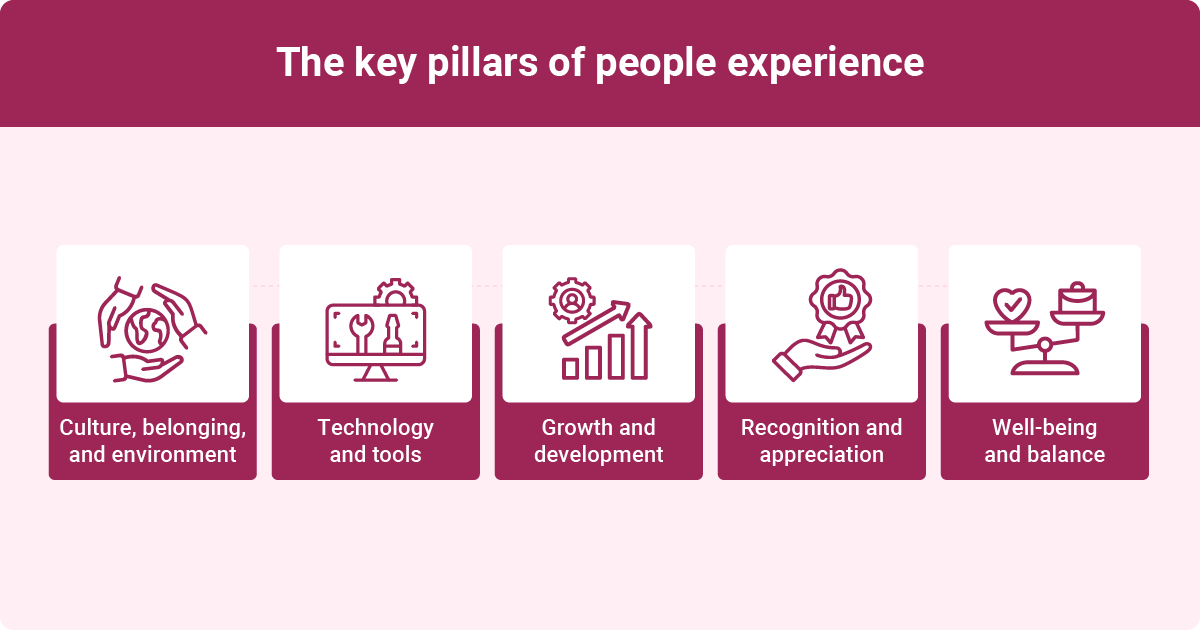
A practical people experience framework breaks a big idea into pillars you can design, measure, and improve over time. Many modern EX/PX models cluster around culture, enablement, growth, trust, and well-being—because those are the conditions that shape how work feels and how well it works.
Culture, belonging, and environment
Build psychological safety, inclusion, and connection to purpose, supported by everyday norms and rituals (how meetings run, how decisions get made, and how teams collaborate).
Technology and tools
Make workflows intuitive and integrated so technology reduces friction and frees up time for high-value human interactions.
Growth and development
Create visible career pathways, skill-building opportunities, and access to coaching or mentorship so people can see a future with your organization.
Recognition and appreciation
Reinforce values and desired behaviors with frequent, meaningful recognition from peers and managers. Employees who receive recognition are 2x less likely to look for new jobs.
Well-being and balance
Support physical, mental, and financial health, pair flexibility with clear expectations, and protect real rest so performance is sustainable, not situational.
What is the difference between HR and people experience?
People experience is a crucial aspect of human resources (HR). But it has expanded beyond traditional HR practices to encompass various aspects of employees' and candidates' experiences. There are a few key differences between HR and PX.
Human resources
HR refers specifically to the department responsible for managing employee-related functions and operations. The core functions of HR include:
- Recruitment
- Onboarding
- Training
- Payroll and benefits
- Performance management
- Conflict resolution
- Labor law compliance
The HR experience primarily involves administrative and operational tasks related to workforce management. Practices are often policy-driven, with an emphasis on procedures and processes to ensure efficient and compliant management. This can restrict focus on factors related to genuine people experiences, such as organizational culture and career growth.
People experience
A people experience takes a broader, more holistic approach to employees' experiences within your culture. PX encompasses your employees' culture, engagement, personal development, and wellbeing.
This approach is more employee-centric than traditional HR practices, aiming to address individuals' needs, preferences, and wellbeing, and ensuring a positive employee experience throughout the employee lifecycle. The focus on each employee's unique needs contrasts with HR's broader operational focus, underscoring the need for both HR and business leaders to actively support PX strategies.
People experience vs. Employee experience: What's the difference?
Understanding your organization's people experience also requires you to gauge your employees' experiences. So, what is employee experience? And how does it differ from PX?
- Employee experience: The work-related employee journey of individuals within your organization, including employees' broader feelings and perspectives on their workflows. It encompasses various aspects of your business, including your culture, technologies, compensation, communication practices, and feedback processes.
- People experience: This term is even broader, describing the experience of everyone who interacts with your organization, with employee experiences being just one part of the picture. PX concerns the greater experience of all stakeholders, including employees, contractors, freelancers, job candidates, former employees, investors, partners, customers, clients, and community members.
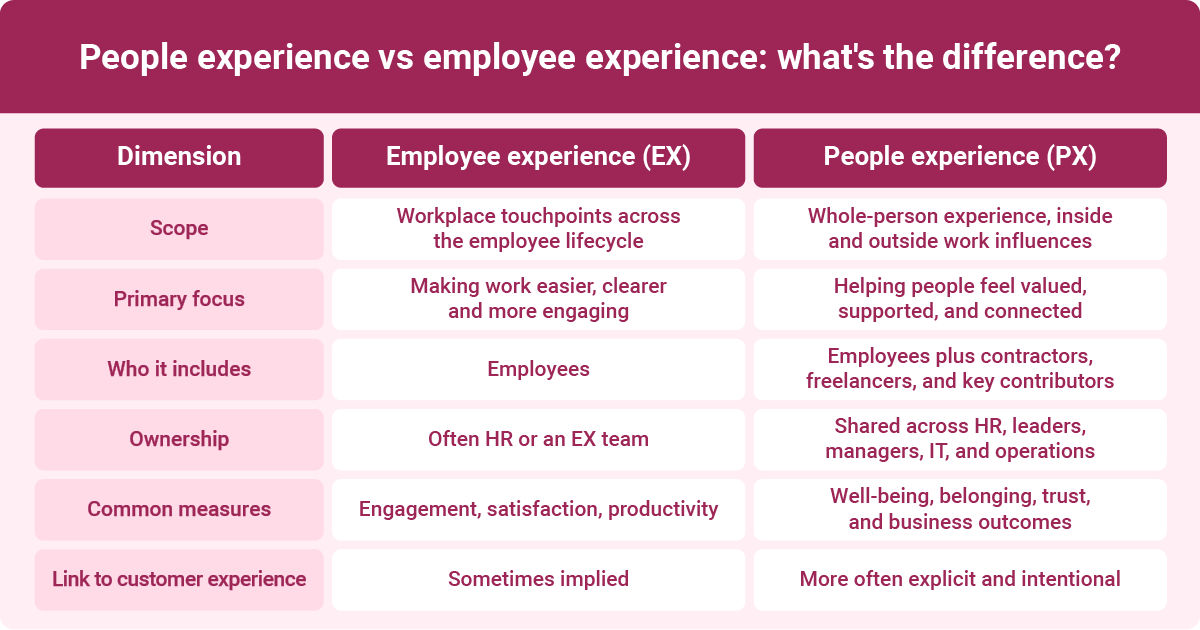
| Dimension | Employee experience (EX) | People experience (PX) |
| Scope | Workplace touchpoints across the employee lifecycle | Whole-person experience, inside and outside work influences |
| Primary focus | Making work easier, clearer, and more engaging | Helping people feel valued, supported, and connected |
| Who it includes | Employees | Employees plus contractors, freelancers, and key contributors |
| Ownership | Often HR or an EX team | Shared across HR, leaders, managers, IT, and operations |
| Common measures | Engagement, satisfaction, productivity | Well-being, belonging, trust, and business outcomes |
| Link to customer experience | Sometimes implied | More often explicit and intentional |
When to use which term
- Use PX when you want to emphasize human-centered design, whole-person support, and the EX-to-CX connection.
- Use EX when you are focused on improving workplace journeys, systems, and operational touchpoints.
- Use both if helpful, but treat PX as the broader umbrella and define your terms upfront.
Why is people experience important in the workplace?
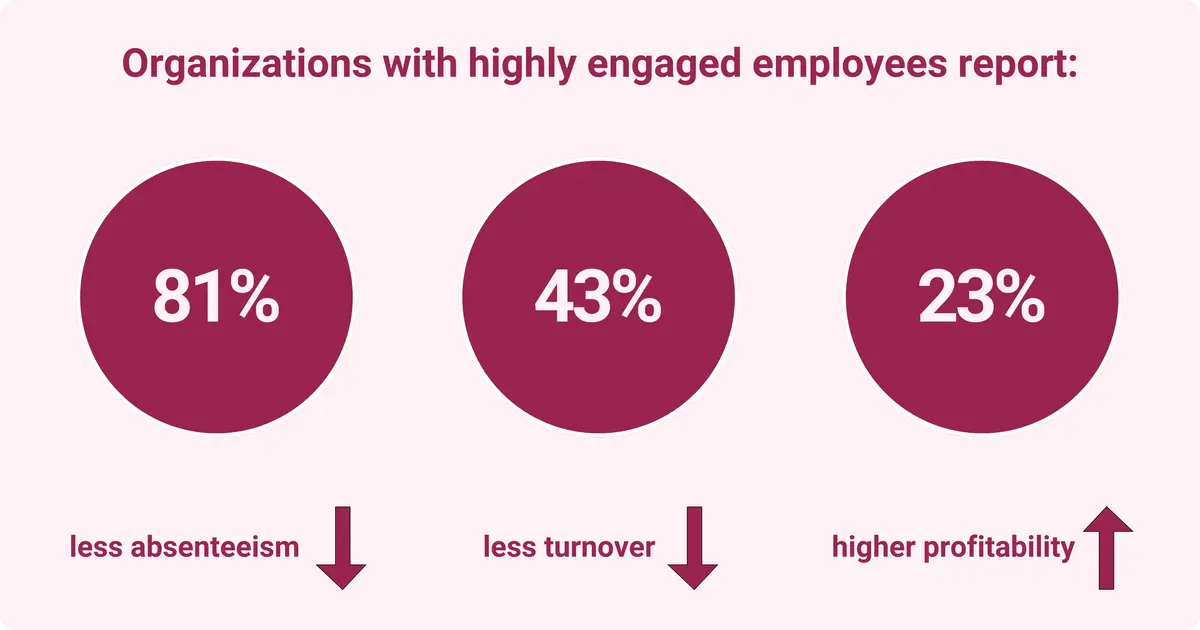
Fostering a positive people experience supports your organization in numerous ways, from driving engagement to reducing turnover. By understanding the benefits of PX, you can better recognize the potential return on investment (ROI) of supporting the individuals on your team, especially when you have the right tools.
These are a few of the main advantages of a healthy people experience in the workplace.
Employee engagement and satisfaction
Positive PX contributes to higher levels of employee satisfaction and engagement. Job satisfaction hinges on employees' autonomy, support, and sense of purpose. Elevating employees' experiences can boost engagement, redefine company culture, and make employees more likely to recommend your organization to others.
Additionally, positive job experiences often create a domino effect of happy people in the workplace, continuously making others feel happy, too, driving connection and engagement.
For example, an employee who is feeling proud of their accomplishments could contagiously make their coworkers feel proud of their work, too. This positive attitude could then improve employees' customer and client experiences, making consumers more likely to return to your organization later.
Organizational culture
Focusing on people's experiences can build a strong company culture that promotes inclusivity, respect, and collaboration. According to the study, ‘Role of Employee Engagement and Gender Diversity in Creating Inclusive Organizational Culture’, published in the International Journal of Research, feelings of belonging and recognition are essential to an inclusive culture.
Investing in engagement strategies and recognition solutions, such as Workhuman®, helps make everyone on your team feel included and harness each person's greatest potential.
From a recruitment perspective, elevating the people experience can attract more skilled candidates to your open positions. A larger candidate pool will allow you to be more selective when choosing new hires, making it easier to prioritize cultural fit alongside other qualifications.
Employee wellbeing
The Review on the Impact of Workplace Culture on Employee Mental Health and Well-BeingOpens in a new tab, published in the International Journal of Case Studies in Business, IT, and Education found that boosting employee culture and experiences can support the workforce's mental health and wellbeing.
A positive PX strategy ensures that everyone within your organization feels supported in their personal and professional lives. In turn, a positive, productive workflow can create an endless chain reaction in which employees' positive mindsets further support their workflows.
Key factors that contribute to employee wellbeing include:
- Supportive leadership
- Clear expectations and goals
- Social support and collaboration
- Continuous feedback and communication
- Healthy, open-minded work atmospheres
- Effective work-life balances
Employee retention
A positive people experience contributes to higher employee retention by creating an environment where employees feel valued, supported, and connected to the company's mission. According to the research, ‘Factors Affecting Employee Retention: Proposing an Original Conceptual Framework’ from the International Journal of Economics and Business Administration, employee commitment and job satisfaction are the most significant factors in employee retention.
To understand the relationship between retention and PX, consider the various factors impacting retention rates:
- Tangible practices: The workflows, schedules, deadlines, HR practices, and other explicit practices that employees follow within your organization
- Intangible practices: Employees' broader working conditions, such as interpersonal relationships, interactions with leadership, and communication practices
- Strategic practices: Your organization's broader mission and goals, and how they align with employees' career goals
Investing in supportive strategies for collaboration, company culture, and HR can improve your overall work environment and reduce turnover. Beyond that, improving people's experiences in the workplace supports recruitment by attracting more high-quality candidates who will genuinely want to stick around.
Who is responsible for people experience in an organization?
People experience (PX) ownership varies by company size and maturity. In practice, HR often sets the strategy, but PX only becomes real when leaders and managers share accountability and have the resources to deliver it consistently.
HR as strategic owner
HR (often led by the CHRO or Chief People Officer) defines the PX vision, frameworks, and measurement, then builds the programs, policies, and enabling tech. In larger organizations, dedicated EX/PX roles are emerging (for example, People Experience Partners) to advise teams, connect insights to action, and keep PX aligned with business priorities.
Managers as daily drivers
Managers “own” PX in the moments that matter: onboarding, feedback, recognition, growth conversations, and change. They adapt enterprise initiatives to their team’s reality and model belonging and psychological safety.
Cross-functional partners
IT shapes the digital experience, facilities influence the physical environment, and communications ensure clarity, transparency, and follow-through. Executive sponsorship determines whether PX stays siloed — or becomes a true operating rhythm.
Best practices for managers to improve people experience
The best strategies to improve PX vary based on each organisation's unique culture, needs, and industry trends. Understanding your organization's unique challenges will help you establish clear, actionable PX strategies to overcome them.
Common challenges in people experience include:
- Resistance to change
- Lack of resources
- Poor communication
- Ineffective leadership
- Misalignment with company culture
- Lack of employee involvement
Here are a few practical strategies to overcome these challenges and enhance your organization's people experience.
Develop an employee-centric approach
First and foremost, take the time to understand your current team. For complex workforces, use employee surveys, digital tools, and one-on-one conversations to accurately gauge employees' needs, preferences, and wellbeing. These insights should provide the foundation for your people experience strategy by clearly establishing your team's most significant strengths and areas for improvement.
A holistic employee-centric strategy calls for you to consider various key aspects of the employee experience, including:
- Company culture
- Trust, transparency, and honesty
- Recognition and feedback processes
- Motivators and senses of purpose
- Developmental and career goals
- Technology and workflows
Listen to employees
Effectively improving people experiences requires you to talk to your employees and stakeholders continuously – not just at the beginning of the process. Surveys, focus groups, one-on-one meetings, and digital tools can provide crucial insight as you implement new PX strategies and technologies.
This ongoing feedback will offer a crucial understanding of your people's evolving needs, preferences, and areas for improvement. For example, if you adopt a new messaging app to resolve previous communication issues, getting regular feedback will help you determine whether your new solution works as-is or should be modified or replaced.
Likewise, conducting focus groups can allow you to gauge impressions of a new product to see if it's really a viable investment.
Recognize and reward
Implementing recognition and reward programs that acknowledge employees' contributions and achievements can raise morale and engagement. In the article ‘Employee Morale Linked to Productivity’, an expert states that employees with higher engagement and job satisfaction work faster and with more focus. Consider establishing channels for both leader-to-employee and peer-to-peer recognition to make teams feel more appreciated and unified.

A solution such as Workhuman supports recognition and feedback loops by maximizing your insights into employee productivity and experiences. Get recommendations for actionable, data-driven suggestions for recognizing employees' achievements, prioritizing an equitable approach that acknowledges everyone.
Invest in employee development opportunities
Investing in your employees is always worthwhile, as the skills and practices they develop can directly expand your overall organizational capabilities. Provide opportunities for personal and professional growth through training programs, mentorship, and career development programs.
Surveys show that 91% of high-performing employees prioritize employers offering learning and development opportunities, so it's important to understand your team's personal career goals, too. Consider your organization's needs, industry trends, and employees' goals when selecting training and development opportunities to effectively support employee-driven learning.
Check-ins are crucial for your employee’s personal development and for cultivating a culture of continuous improvement and teamwork.
Foster diversity and inclusion
An inclusive organizational culture supports growth, innovation, and long-term sustainability. True inclusion extends beyond making sure everyone is in the same room. Every member of your team should feel comfortable sharing their thoughts and ideas without judgment, especially when developing creative or collaborative solutions. Employees must also feel respected and valued, regardless of their background or identity.
Prioritizing diversity, equity, and inclusion (DEI) is crucial for surviving today's uncertain economic conditions. Supporting a diverse team with unique backgrounds and experiences can give your team crucial perspectives and ideas as you embrace new challenges and industry trends.
For more strategies on fostering an inclusive workplace, explore our DEI toolkit focused on key pillars of a robust and impactful DEI strategy.
Promote work-life balance
Encourage a healthy work-life balance among employees to reduce burnout and maintain a positive atmosphere. Strategies to improve employees' work-life balances include:
- Offer flexible work arrangements and remote work options.
- Provide support and resources for employees' wellbeing.
- Require employees to take lunches and breaks without completing work during those times.
- Introduce tools and platforms to streamline employee workflows.
- Promote health practices that employees can use to disconnect at home.
- Providing employees with sufficient paid time off (PTO).
People experience examples and practices from leading organizations
Onboarding experience example: Google’s “just-in-time” checklist
Google tested a lightweight onboarding nudge:Opens in a new tab a reminder email to the hiring manager right before a new hire starts, prompting a few simple actions (clarify role expectations, assign a buddy, build social connections, schedule check-ins, and encourage open dialogue).
The experiment was credited with reducing new-hire time to productivity by about a month — roughly 25% faster—showing how small, well-timed moments can have an outsized impact.
Recognition and appreciation program example: Cisco’s Connected Recognition
Cisco partnered with Workhuman to launch Connected Recognition, a global peer-to-peer program tied to company values and funded at 1% of payroll. Cisco reported that 85% of employees gave or received recognition in the first year, reinforcing recognition as a daily habit rather than a once-a-year event.
Well-being and flexibility example: Dropbox and Asana
Dropbox’s Virtual First model sets core collaboration hours (four-hour windows aligned to time zones) and encourages “non-linear workdays” to protect focus time. Asana’s long-running No Meeting Wednesdays similarly protects uninterrupted work time to reduce fatigue and improve flow.
The role of technology in enhancing people experience
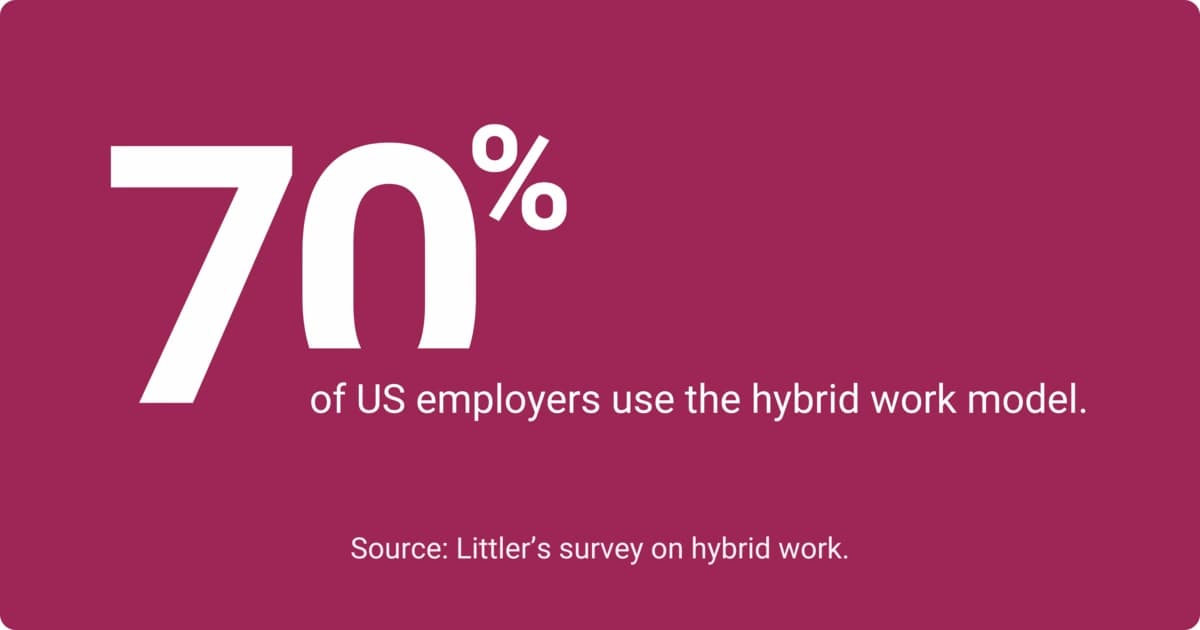
Today's digital age demands that organizations adopt new software and technologies to stay competitive, especially in remote, hybrid, or distributed work models. Employee experience tools, along with HR platforms, people analytics, and artificial intelligence (AI), can help boost your organization's PX and embrace the digital revolution.
The benefits of digital employee experience management include:
- Improved communication: Establish centralized communication channels to keep all teams in the loop and prevent missed messages.
- Flexible work arrangements: Platforms for remote, hybrid, and distributed work give employees more autonomy over their workflows while still keeping teams aligned on shared goals.
- Data-driven insights: Workhuman and other solutions integrate with other digital platforms to provide accurate, real-time insights into employee engagement.
- Efficient onboarding and training: Digital solutions streamline onboarding and training by automating time-consuming steps and reducing the HR workload. Continuous insights into employee productivity also let you provide continuous feedback as employees adopt new practices and tools.
How to measure people experience in your organization
Measuring PX requires you to consider teams' and stakeholders' experiences from multiple perspectives. Modern digital platforms make it easier to continuously track employees' productivity and engagement, especially when paired with Workhuman and other solutions. But even these insights won't paint the full picture.
You must talk and listen to the people within your organization to learn what their experiences are really like. Common methods for measuring the people experience include:
- Employee surveys: These structured questionnaires provide insight into employees' experiences, engagement, and job satisfaction.
- Pulse surveys: These are shorter but more frequent than traditional surveys, providing continuous insight into specific objectives or topics.
- Focus groups and interviews: These feedback strategies let you talk to individuals one-on-one or meet with multiple people at once to discuss particular topics. Such practices are especially beneficial when you need comprehensive, in-depth feedback, whether you're addressing serious employee concerns or pitching new ideas to potential customers.
- Employee Net Promoter Score (eNPS): This standardized feedback method asks employees how likely they are to recommend your organization on a scale of zero to 10, providing continuous, easily trackable insights.
- Feedback platforms: Digital platforms such as Workhuman offer easy ways to share continuous feedback between peers and with leadership.
Creating a positive feedback experience requires a balanced, open-minded, and future-forward approach that makes employees feel genuinely heard and recognized. Create a channel of continuous, mutual feedback between leaders and peers to encourage honest, insightful responses.
To truly realize the benefits of peer review feedback, you must also understand the response. Learn how to change the feedback response and make peer review a breeze.
This level of transparency will help you accurately measure PX based on how employees and others within your organization genuinely feel.
How people experience relates to customer experience (CX)
People experience (PX) and customer experience (CX) are two sides of the same value story: how people feel at work shows up in how they serve others. The “service-profit chain” research connects internal conditions (support, tools, leadership) to employee satisfaction and loyalty, which then influences the customer’s experience and, ultimately, business results.
The employee-customer connection
In customer-facing roles, employees are your brand in real time. When people feel energized and equipped, they’re more consistent, more responsive, and more likely to solve problems with care.
Gallup’s large-scale engagement research, for example, links higher engagement to stronger customer outcomes, including customer loyalty. In the other direction, Temkin Group research found that customer experience leaders had 2.5x as many highly engaged employees as customer experience laggards — suggesting the relationship is reinforcing, not one-way.
Shared design principles
PX and CX use many of the same playbooks:
- Journey mapping: Identify friction, “moments that matter,” and handoffs that break trust.
- Personalization: Segment needs (new hires vs. tenured employees; frontline vs. corporate), just like customer segments.
- Feedback loops: Treat employee listening and customer listening as connected systems, then improve continuously.
And because leaders often track CX with metrics like Net Promoter Score (NPS), it’s worth noting that Temkin Group research has found NPS to be strongly correlated with customer loyalty behaviors (like willingness to purchase more).
Conclusion
Developing a strong people experience strategy requires you to consider all of the challenges and variables that impact employee, client, and stakeholder experiences.
A tailored, data-driven approach can boost your organizational success by supporting communication, job retention, engagement, and workplace culture. Invest in the right practices and tools like Workhuman to continuously refine your organization's people experience.
About the author
Ryan Stoltz
Ryan is a search marketing manager and content strategist at Workhuman where he writes on the next evolution of the workplace. Outside of the workplace, he's a diehard 49ers fan, comedy junkie, and has trouble avoiding sweets on a nightly basis.