Master These 10 Leadership Skills in 2026 to Lead with Confidence and Authority
Table of contents
Leadership looks a lot different than it did 20 years ago. Gone are the tyrannical managers lording over the boardroom or calling all the shots (well, mostly). Today’s leaders are shaking up hierarchies, dealing with new challenges, and working with diverse teams – often while hundreds of miles apart.
Of course, just because the status quo has changed doesn’t mean being a great leader is magically easy. When it comes to engaging employees and managing performance, 40% of managers wouldn’t rate themselves as advanced or expert, Gallup reports in the article, ‘The Strengths, Weaknesses and Blind Spots of ManagersOpens in a new tab’.
Globally, this ineffective management costs companies around $8.8 trillion a year (the exact opposite of what you want to do).
Mastering leadership skills will help you avoid these issues and inspire teams instead of micromanaging them. And, because great leaders are in short supply, it may even open the door to new roles or an entirely different career.
But becoming a fabulous manager doesn’t happen by accident. This roadmap will help you level up your skills and become a savvy, confident leader.
What are leadership skills?
Leadership skills are the abilities and traits that help you guide teams and influence your organization’s path.
While most leadership roles require some technical knowledge, they rely most on communication skills, interpersonal skills, or other such “soft” skills.
Are two employees arguing over a slogan for a marketing campaign? A good leader will need active listening and conflict resolution skills to help them reach an agreement or maybe persuade them to try a totally different approach. Similarly, a budget crisis might require some napkin math, but it’s creativity and problem-solving that will save the day.
Why do effective leadership skills matter?
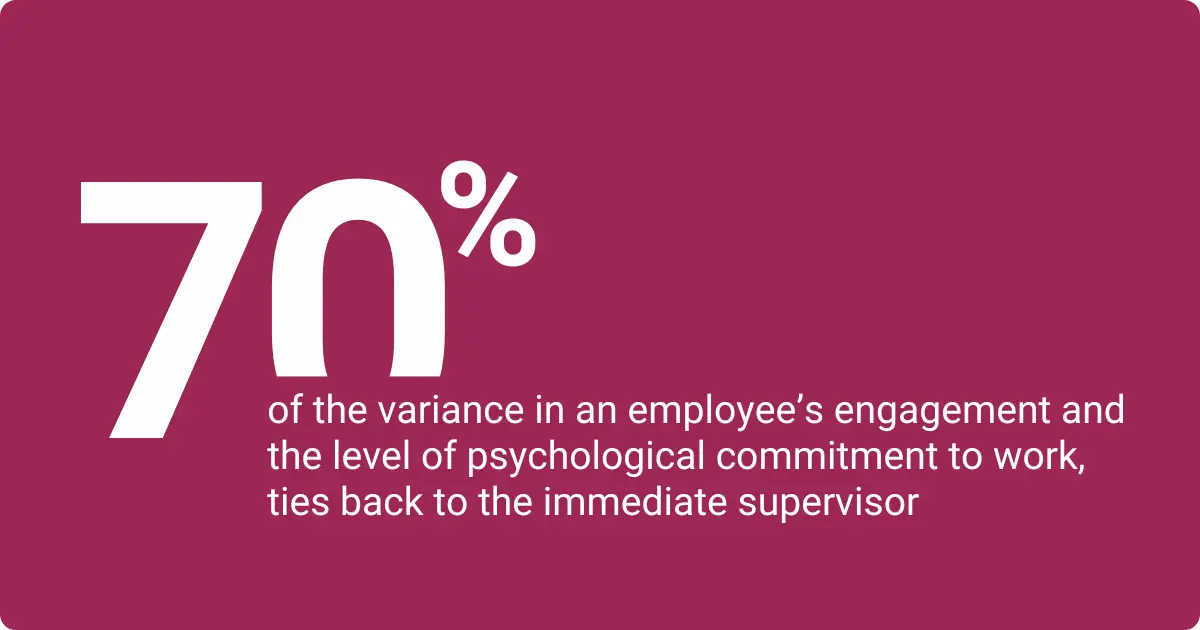
Great leaders don’t just dole out tasks or check over their staff’s work like a red pen-wielding teacher. They have a direct impact on their team’s success. According to Gallup’s report titled, ‘Employees Want Work That Matters - Managers Can Help’, 70% of an employee’s engagement depends on their immediate supervisor, for better or worse.
Here are five more reasons why effective leadership matters:
Improved team performance
Great leaders motivate their teams to achieve more – and not by scaring them into working harder. Instead, they empower employees to take initiative and collaborate more effectively.
The right leaders can have a big impact on performance. One study titled ‘The value of leadership: Evidence from a large-scale field experiment’ found that 63% of teams that chose leaders completed a task in the given time, compared to only 44% of those without leaders.
The researchers observed that leadership “increased decentralized information acquisition and problem solving as well as improved team organization.”
Stronger company culture
A good leader celebrates innovation and makes employees feel supported. Over time, that positive attitude can shape the entire organization’s culture.
Even just acknowledging someone’s efforts can lead to a better work environment. Tools like Workhuman’s® Social Recognition can help you send awards and see their impact on the overall culture.
Improved employee motivation and engagement
Strong leaders give their team a sense of purpose – and that can be incredibly empowering. A 2022 study found that “engaging leaders could make their followers feel more optimistic, resilient, self-efficacious, and flexible.”
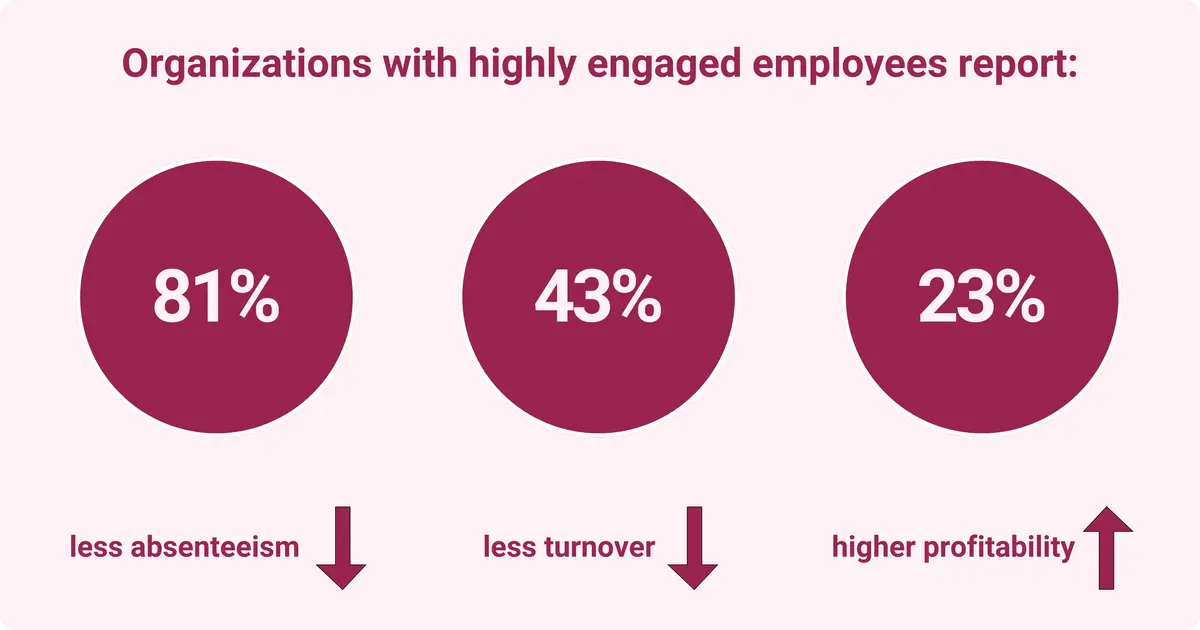
Employee engagement increases when the leaders trust and value their suggestions. And that translates directly to higher job satisfaction. According to Workhuman, “when employees feel their ideas and suggestions matter, they’re more than 2x as likely to report a positive employee experience (83% vs. 34%)."
Increased trust and loyalty among team members
Leadership also influences the dynamics within teams. A manager who shows favoritism and bias in the workplace, for instance, can make employees feel like they’re competing on some strange corporate episode of "Survivor" instead of collaborating. Similarly, a controlling leader can leave their team stressed and bickering over even the smallest decisions out of fear of getting in trouble.
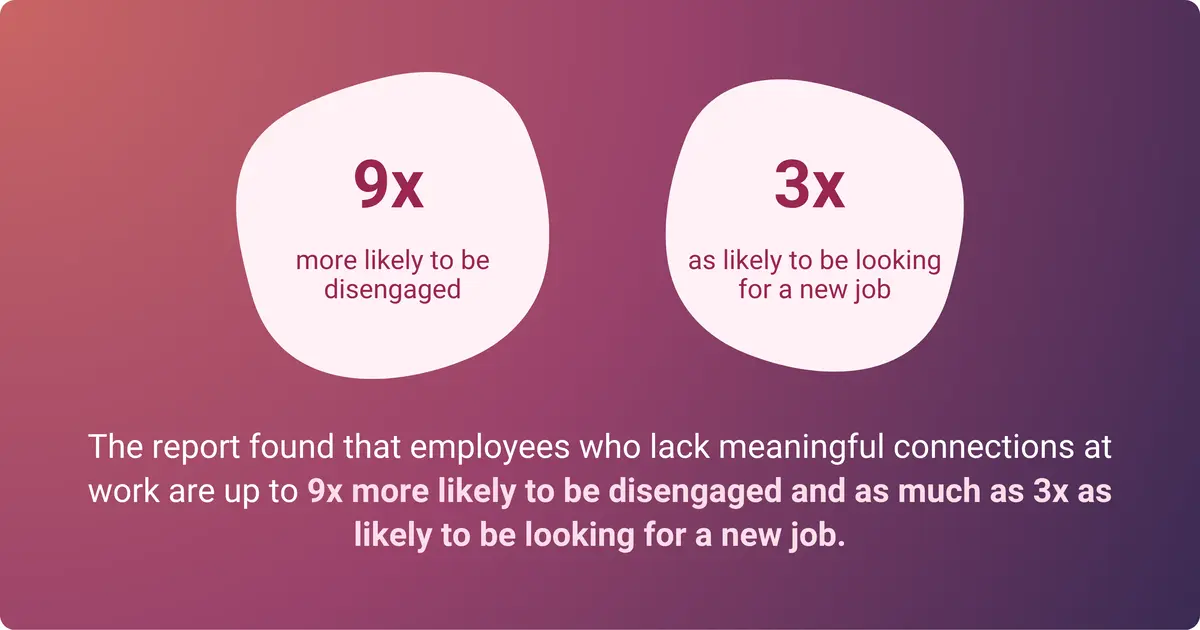
Effective leaders, on the other hand, are all about transparency. Did someone get promoted? They explain why – and tell the rest of the staff exactly what they need to do to move up, too. These discussions are the key to building trust in leadership. They also encourage team members to work together, creating a culture of loyalty.
Enhanced decision-making abilities
Good leaders are master problem solvers. They help their teams see challenges from multiple angles and make logical decisions instead of acting based on emotion.
For example, former PepsiCo CEO Indra Nooyi scandalized shareholders when she decided that the company would shift its focus from “junk” food to healthier snacks. Her risky decision paid off. Pepsi is still profitable while investing more in “good for you” products – like Naked Juice smoothies – and cutting down on sugars.
10 essential leadership qualities for success
People often view leadership as a single skill, but it’s actually a combination of many different abilities. These 10 must-have skills will help you step into leadership positions with ease.
Clear and effective communication
Communication is the ability to clearly express ideas and information. It covers both verbal communication, like describing a project to someone, written communication, like writing clear emails, and nonverbal communication, such as facial expressions and hand gestures.
You’ve probably had the misfortune of working with leaders whose communication was lacking, to put it politely. For example, a manager might ask you to write a report, but they actually want a memo.
Or they could be vague about a project’s timeline, so the client gets upset when it’s not finished. Miscommunications like these can leave even the most forgiving employees daydreaming about quitting.
On the other hand, effective leaders convey their expectations and directions clearly. They’re also skilled at active listening and reading body language. If a client says a deadline is fine but crosses their arms, an intuitive leader will ask questions to get to the bottom of the issue.
These tips will help you become a communication rock star (or at least avoid confusing your team):
- Consciously practice active listening when you chat with colleagues and clients
- Join a debate club or Toastmasters International to practice public speaking
- Volunteer to write reports and ask for feedback from your boss
- Watch TED Talks about the science of body language
- Use charts, infographics, and other visual aids to simplify complex concepts
Strategic and forward-thinking mindset
Have you ever met someone who always seems like they’re five steps ahead? That’s strategic thinking in a nutshell. Like a game of chess, it involves anticipating how a decision you make today will play out months or years later.
This forward-thinking mindset allows leaders to focus on the big picture and make smart choices. For instance, an IT director may realize that a software patch will fix a bug today but make it harder to install new technologies later – so they choose a more expensive upgrade instead.
Unfortunately, you can’t just buy a crystal ball to scry for business outcomes (if only). However, these exercises will help you become a better strategic thinker:
- Consider how your decision may affect the company one, five, and 10 years from now.
- Ask a colleague to play the devil’s advocate and talk through different scenarios (“What if that new feature makes the whole system crash?”).
- Look for case studies of companies that have made similar decisions and see how they turned out.
- Make sure you have enough data to make an informed decision.
Sound decision-making under pressure
Leaders rarely have the luxury of making huge decisions in calm circumstances. A cyberattack, an outraged client, an economic recession – there are countless situations that require quick thinking and nerves of steel.
Effective leaders stay cool and focused, even when everyone else is panicking. They set aside their emotions and make rational decisions instead of reacting impulsively. In January 2025, for instance, American Airlines experienced a crisis when a flight collided with a helicopter, resulting in 67 fatalities.
Within two hours, CEO Robert Isom gave a video update, and the company had set up a hotline for loved ones to get information – a speedy response in an incredibly stressful situation.
Don’t wait until the worst happens to test your decision-making skills. Here’s how to become a calm thinker in any situation:
- Consider joining a fast-paced hobby, such as a sports team or martial arts. If you can make snap decisions in a soccer game, that skill might translate to your 9-to-5.
- Learn breathing and mindfulness exercises.
- Roleplay different scenarios with your team (for example, a hurricane or a PR crisis), and time how long it takes you to reach a resolution.
Inspiring and motivating others
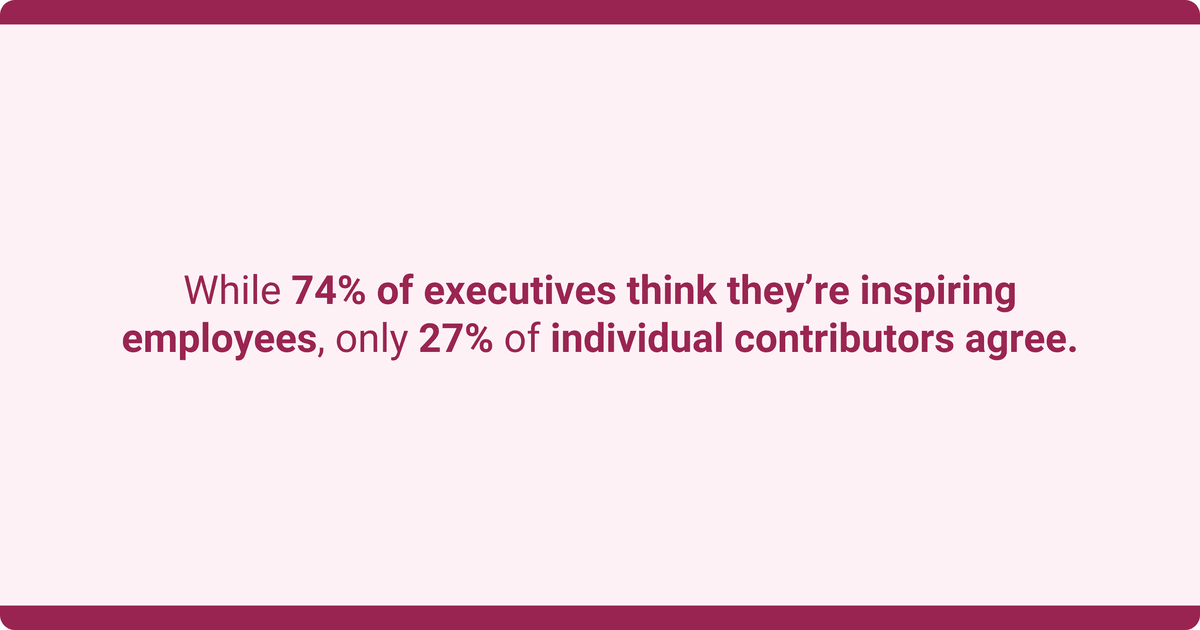
The ability to motivate others is one of the most valuable leadership skills. But it’s not easy to master. According to the 2022 AceUp report, ‘Building Human-Centered Leaders in the New World of WorkOpens in a new tab’, while 74% of executives think they’re inspiring employees, only 27% of individual contributors agree.
True motivation isn’t just about delivering rousing speeches. Instead, employees tend to feel inspired when their leaders give them clear goals and obvious paths to success. This could be as simple as outlining the criteria to earn a raise or setting milestones for a major project.
Here are a few more ways to become more motivational:
- Express your genuine enthusiasm for your job, and act excited when employees pitch ideas (even if they’re not perfect). Passion is contagious.
- Try out motivational games with your team. These activities might seem a bit silly, but they might be just what you need to energize the office.
- Consider creating a rewards system, such as stipends for professional development and promotions.
Compassion and emotional intelligence
Emotional Intelligence (EI) is the ability to recognize and adjust your feelings, along with responding appropriately to those of others.
This skill comes in handy in virtually any workplace interaction and for relationship building. Is an employee feeling burned out? EI can help you recognize the signs, like an eye roll when you ask them for an update, and offer support. Or, if a client seems irate, you can respond compassionately and work to see their side of the story to ease the tension.
Of course, the benefits of EI go beyond just helping people feel better. A 2023 literature review, ‘Emotional intelligence, leadership, and work teams: A hybrid literature review’, found that managers with high emotional intelligence:
- Achieve better business results
- Increase task performance
- Positively influence their team’s attitudes about work
Use these strategies to grow your emotional intelligence:
- Be genuinely curious about other people instead of making assumptions
- Journal about how you’re feeling to get more in tune with your emotions
- Learn how to recognize when your emotions are spiraling out of control and use deep breathing exercises to regulate them
Flexible and adaptable leadership
Things don’t always go according to plan, especially when you’re spearheading major products. Flexibility and adaptability allow you to pivot quickly when you run into unexpected roadblocks.
A supply chain crisis, for instance, could make a piece of construction equipment impossible to buy. A flexible leader could come up with a plan to borrow it from another company or redesign the project so it’s no longer needed.
Here are four ways to develop these leadership qualities:
- Be optimistic when you encounter challenges, even when they seem dire. Attitude is everything.
- Build a little buffer into your project timelines for unexpected problems.
- Encourage employees to share ideas freely so they’re not afraid to make helpful suggestions.
- Predict possible risks and come up with contingency plans.
Effective conflict resolution
Conflict management focuses on helping people find the best solution during a disagreement. It’s not necessarily about making everyone happy – sometimes, that’s just not possible – but finding an amicable way to move forward.
With 64% of employees experiencing workplace conflict, understanding how to mediate effectively is a must-have skill. For example, if your team members disagree about which software to use, you might sit them down to weigh the pros and cons calmly. Or, if two employees have clashing personalities, they may need help setting boundaries.
Here’s how to excel at conflict management:
- Prioritize active listening.
- Restate what each side says in your own words to make sure you understand where they’re coming from.
- Work to solve the root cause of the conflict instead of slapping on a Band-Aid.
- Above all, stay calm – getting frustrated will only make the conflict worse.
Empowering and delegating effectively
A good leader assigns tasks strategically to help both the organization and employees. Is a team member eager for a promotion? Give them a “stretch” task that lets them show off their skills. On the other hand, when someone is struggling with their workload, you might give some of their tasks to a coworker to prevent burnout.
These strategies will help you master the art of delegation:
- Use a tool like the Eisenhower Matrix to prioritize tasks.
- Get familiar with each employee’s strengths and weaknesses.
- Empower employees by giving them tasks that push them outside their comfort zone – but be ready to offer support as needed.
Honest and ethical leadership
Transparency is one of the core characteristics of effective leadership. Be fair and ethical in all your interactions, and 'fess up when (not if) you make mistakes. When your team knows you always try to do the right thing – in your oh-so-human way – they’re more likely to trust you.
Start with these tactics:
- Check yourself for unconscious biases and work to eliminate them.
- Find a role model whose behavior you admire, and consult them whenever you need help dealing with gray areas.
- Research ethical standards in your field, and follow them closely. For example, the Project Management Institute has a detailed Code of Ethics and Professional Conduct.
Efficient time management
Time management means dividing your time effectively so you meet deadlines and complete high-priority tasks.
As you take on more advanced leadership roles, your to-do list can quickly start to feel more like an unclimbable mountain. With strong time management skills, you can check tasks off your list more efficiently – or, better yet, delegate some.
Get into a productive rhythm with these tips:
- Block out “deep focus” time on your calendar for tasks like brainstorming marketing campaigns or strategizing.
- Get rid of distractions. Scrolling TikTok in your office? Definitely not.
- Take frequent breaks to reenergize.
Can leadership skills be learned?
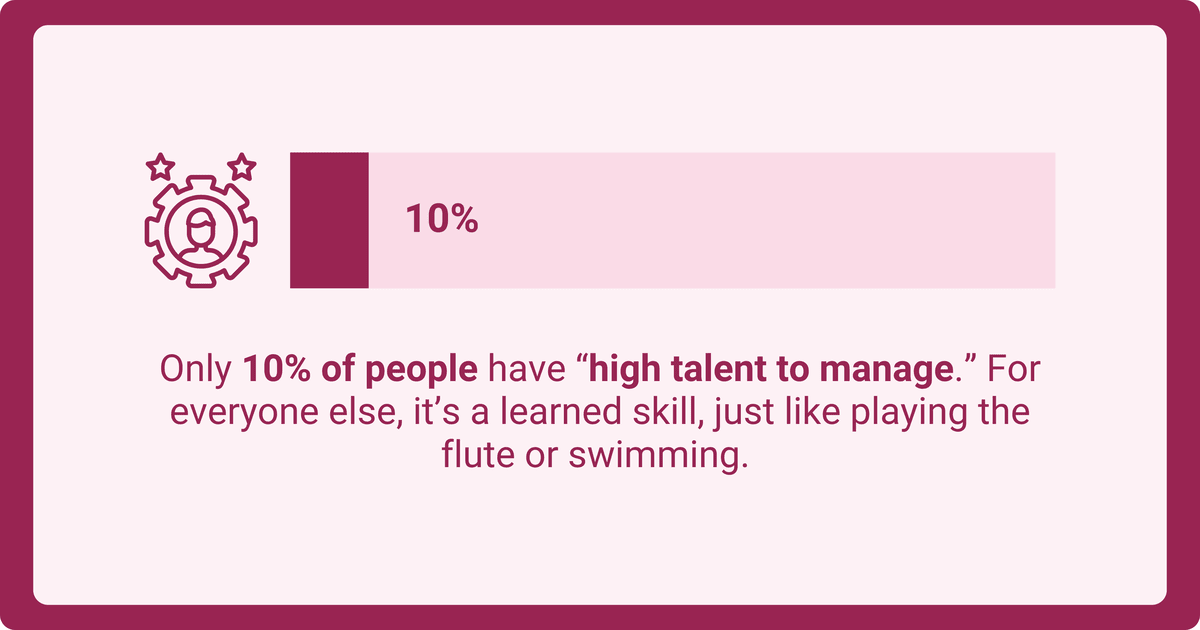
One of the biggest misconceptions is that leadership is an innate trait like eye color or height. But a famous Gallup study found that only 10% of people have “high talent to manage.” For everyone else, it’s a learned skill, just like playing the flute or swimming.
Set aside time daily to practice your leadership skills, and ask your mentors for feedback about how you can improve. With patience and a growth mindset, anyone can learn how to be a good manager and leader – seriously.
How to develop strong leadership skills?
Now that you know which abilities to focus on, use these strategies to start building your leadership toolkit.
Seek out opportunities to lead
Don’t just sit around waiting for your boss to promote you to a leadership role. Take the initiative by looking for growth opportunities inside and outside work, such as:
- Volunteering to take on a tricky project
- Challenging yourself to learn a new hobby
- Spearheading projects or fundraisers for your favorite nonprofit
- Job shadowing a mentor or leader you admire
Pursue leadership training and mentorship
Formal leadership programs are a great way to network and learn some theory to go along with your shiny new skills. The American Management AssociationOpens in a new tab (AMA) and Harvard University offer dozens of online leadership courses. Or ask your employer to sponsor you for a leadership boot camp from a program like MIT.
Seek constructive feedback
Asking for feedback can feel downright terrifying, but it’s the best way to become a better leader. Regularly ask your peers, mentors, and employees for tips on how you can improve.
Always take time to reflect on feedback instead of reacting defensively. Otherwise, most people won’t give you advice twice. If criticism is valid, create an action plan to address it. If someone says you’re a poor communicator, for instance, you could take a public speaking seminar.
Embrace active listening
Active listening is the key to genuinely open communication. It also helps you make better decisions, because you’ll have all the information.
During your next conversation, practice active listening by:
- Genuinely listening to what the other person is saying instead of planning your next words
- Paying attention to their body language
- Asking clarifying questions, such as, “What do you mean by a 'minor delay'?"
Take initiative and lead by example
Inspire your team to give their best by becoming a role model. Spread positivity by encouraging others and spreading appreciation. Small gestures like shouting out your colleagues’ successes and showing up to internal culture-building events go a long way.
Continuous learning and self-improvement
The process of gaining effective leadership skills never really ends. Embrace lifelong learning by:
- Reading leadership books, such as "The Five Dysfunctions of a Team"
- Following leaders you admire on social media
- Attending leadership conferences like Workhuman LiveOpens in a new tab
- Participating in seminars from the AMA and other organizations
Real-world examples of leadership skills in action
Studying famous leaders is a great way to get inspired (especially when you get tired of skill-building) and learn how to handle tricky situations.
Delegating tasks to empower teams
Amazon CEO Jeff Bezos believes there are two types of decisions: type 1, which are major turning points for a business, and type 2, which are reversible. By empowering employees to make type 2 decisions, Amazon has become a leader in innovation and avoided the stagnation that often bogs down large corporations.
Effective communication during change or crisis
In 2024, airline traffic ground to a halt after a failed CrowdStrike software update crashed IT systems around the world. CEO George Kurtz communicated clearly throughout the chaos, even appearing on the "Today" show to apologize and take responsibility. His genuine remorse went a long way toward helping the company regain trust.
Decision-making in high-pressure situations
Microsoft CEO Satya Nadella is leading a seismic shift by choosing to invest more in AI – even though this change has also led to thousands of layoffs. Nadella has stood by his controversial decision-making, writing in a 2025 memo, “This is what’s required to make long-term progress: have a bold vision, complete the thought, and persist through all the ups and downs.”
Inspiring innovation through visionary leadership
When Whitney Wolfe Herd founded Bumble, she had big aspirations: She wanted to create a lifestyle brand, not just another dating app. She achieved this vision through features like Bumble BFF, which lets users find friends instead of romantic partners. Bumble also stands out from other dating platforms by using AI to scan for user violations and ban people with abusive behavior.
Step into leadership roles with confidence
No one is born ready to become a high-powered executive or manager. Leadership is a collection of skills, not a gene. By focusing on core abilities – like communication and conflict resolution – you can become a more competent leader whom people are eager to follow.
Get started by mapping out a plan to sharpen your leadership skills. Start with just one or two abilities at first, then expand to new areas as you gain confidence. And don’t forget to ask for feedback. With mentorship and tenacity, you’ll be ready to face any challenges you encounter.
About the author
Ryan Stoltz
Ryan is a search marketing manager and content strategist at Workhuman where he writes on the next evolution of the workplace. Outside of the workplace, he's a diehard 49ers fan, comedy junkie, and has trouble avoiding sweets on a nightly basis.