Finding the Leaders You Might Promote Too Late (A Cautionary Tale)
Many organizations act like leadership begins with a promotion. Someone gets the title. They inherit a team. Their name moves higher on the org chart. And then they begin leading.
History (and most workplaces, if we’re honest) suggests the opposite.
Leadership shows up first as behavior. Someone starts doing things that technically aren’t in their remit: connecting teams that don’t normally talk to each other, clarifying decisions no one wants to own, mentoring people outside their group, raising uncomfortable questions, or quietly taking responsibility for outcomes that would otherwise stall.
The role comes later. Sometimes much later.
I think of this phenomenon as title lag: the gap between the moment someone starts functioning like a leader and the moment the organization officially recognizes it.
Sometimes that lag is harmless. Sometimes it’s even healthy – as people learn, build skills, and grow into bigger roles over time. But sometimes it’s a risk. A very real one.
Because I guarantee there are people already doing leadership-level work in your organization – without the scope, the authority, or the recognition. And if you continue to not see them, eventually they will run into a choice. They can keep shrinking themselves to fit the org chart… or they can go somewhere that will let them lead.
Howard Schultz is a classic example.
When Schultz joined Starbucks in 1982, his title was "Director of Retail Operations and Marketing". Starbucks at the time was a small Seattle company that sold coffee beans and equipment – not drinks. Schultz went to Italy on a sourcing trip and came back with a radically different idea: the future wasn’t retail coffee. It was the café, a “third place” between home and work.
He pushed for Starbucks to test the concept. Leadership declined. It didn’t fit the company’s model.
So Schultz left.
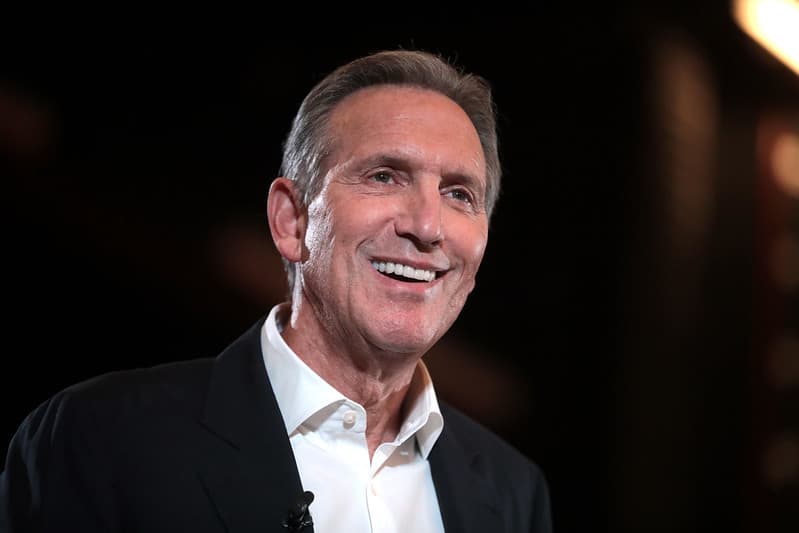
He launched a café company called Il Giornale, proved the concept worked, and two years later bought Starbucks outright and became its CEO. In other words: Starbucks didn’t promote Schultz into leadership, even though he was leading already from the ranks. And they very nearly lost the one person who was already leading the company toward its future. They did lose him. Luckily, he didn’t lose them.
Of course, not every story ends with someone walking out the door. (Thankfully!)
Sometimes organizations do recognize the signal. They see the person who’s already operating at a different altitude and expand the scope to match it. When that happens, the promotion doesn’t feel like a gamble — it feels obvious. The organization is simply catching up with reality.
In a modern workplace, that “reality” isn’t hidden. It leaves footprints. It shows up in the everyday, voluntary signals people share with each other – especially in recognition.
That’s because the most reliable signals are the voluntary ones from humans: what peers notice, name, and reward in the flow of work. Recognition is basically a live feed of those signals – who’s influencing outcomes, who’s connecting teams, who’s setting standards, who people trust. Those are signals worth paying attention to, and if you can’t see future leaders in that stream, you’re probably not maximizing your recognition data.
The leaders who will shape your organization’s future rarely announce themselves through a title first. They show up through influence, initiative, and impact. They are already doing pieces of the job before anyone officially asks them to.
Which means every company is surrounded by two kinds of future leaders:
- The ones you’ll cultivate early enough to keep, because you recognize what they’re already doing.
- The ones you’ll promote too late, because you only notice them when someone else does.
And history – political, social, and corporate – is full of examples that make this pattern easier to see.
The Leaders Who Were Already Doing the Job
When people tell leadership stories after the fact, they tend to start at the title – president, prime minister, CEO. So in retrospect it all looks inevitable.
But rewind the tape and you’ll see it wasn't always inevitable. It was the product of a lot of behavior. Long before the title, the work was already happening. People were already treating them like leaders. The institution just hadn’t updated the paperwork yet.
We talked about Howard Schultz and Starbucks’ close call. Here’s another:

Sheryl Sandberg: building the operating system before the COO title
Take Sheryl Sandberg. When she joined Google in 2001, she wasn’t the COO. Her title was Vice President of Global Online Sales and Operations. But what she was actually doing – building the operating system for a business that was about to scale meteorically – was pure COO work. Google didn’t give her that title. Facebook did. (And if you’re Google, watching someone else capture the compounding value of a leader you trained is… a feeling.)
Not everyone leaves, but when the organization has a lot of leaders performing above their remit, there is risk. There’s another category I want to point out here: the leaders who were leading from behind before the world even had a role ready for them.
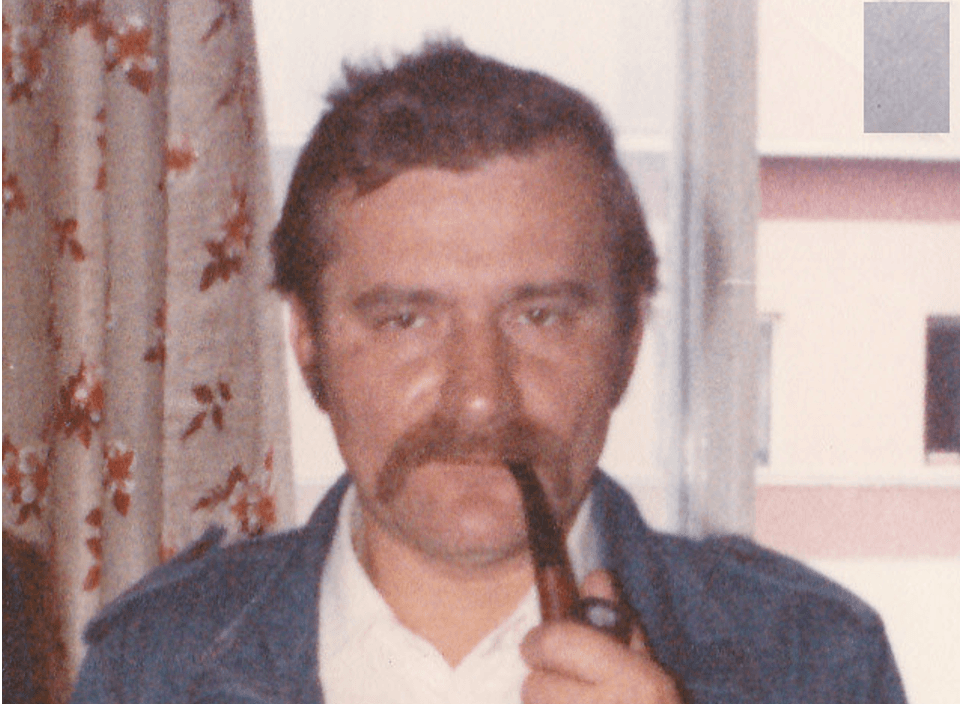
Lech Wałęsa: the electrician who became the negotiator-in-chief
Wałęsa wasn’t supposed to be anyone’s leader. He was an electrician at the Gdańsk Shipyard. And yet, before he held any formal political power, he was already doing the work of national leadership: organizing workers, coordinating action, negotiating with state power, and serving as the public face of a movement. People followed him before institutions endorsed him, and he wound up as President of Poland, Nobel laureate and a prime catalyst for the end of the Cold War. Imagine if he’d just decided to sit it out because no one tapped him?
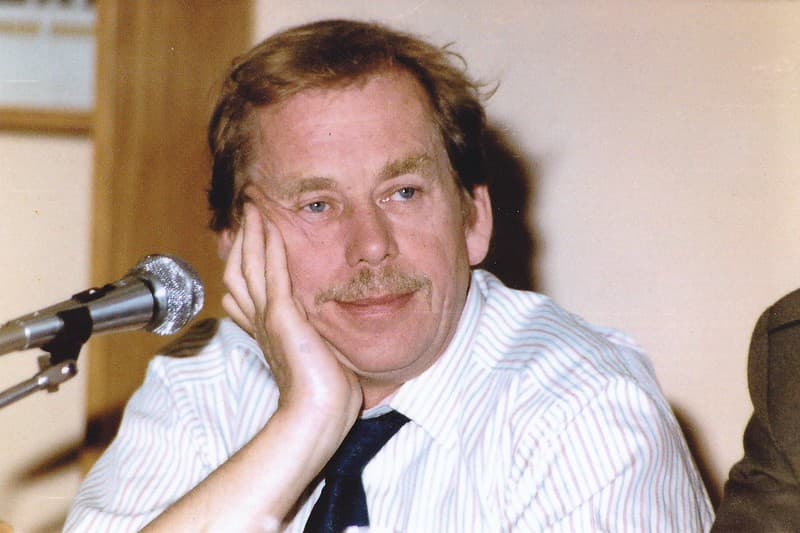
Václav Havel: the playwright who became a president
Václav Havel is another great example. He didn’t start as a politician; he started as a Czech playwright. Yet he became the moral and intellectual center of a resistance movement long before he became the last president of Czechoslovakia and first president of Czechia. When the Velvet Revolution happened, it wasn’t “suddenly Havel.” It was the country finally assigning a title to the person who’d already been doing the job.
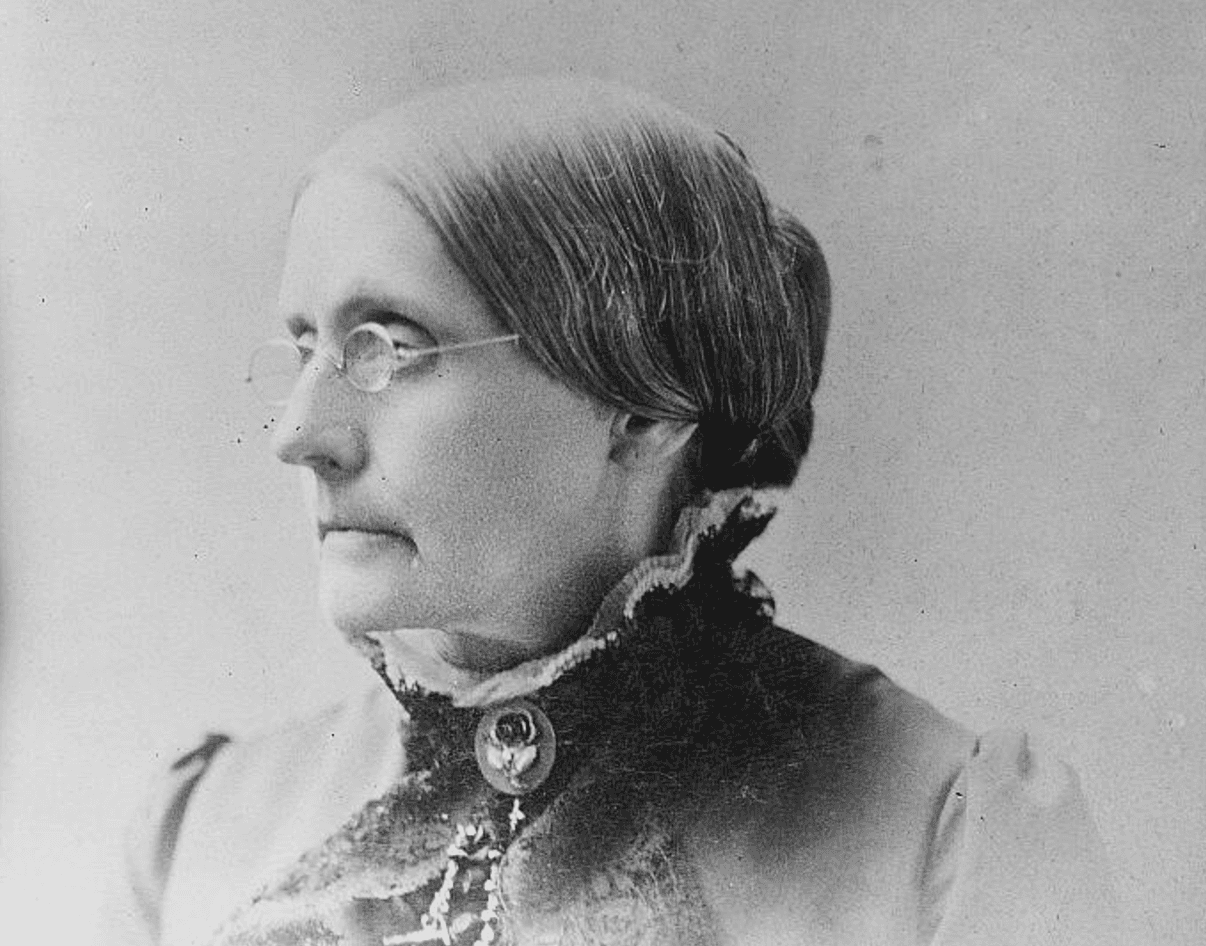
Susan B. Anthony: building a political movement without political power
Or how about Susan B. Anthony? She stepped up and spent decades organizing, building networks, campaigning, fundraising, agitating – basically running a national political movement – before women could even vote. That’s leadership without institutional permission, which is a good reminder that the org chart is not a prerequisite for influence. It’s just the paperwork that shows up after the influence becomes undeniable.
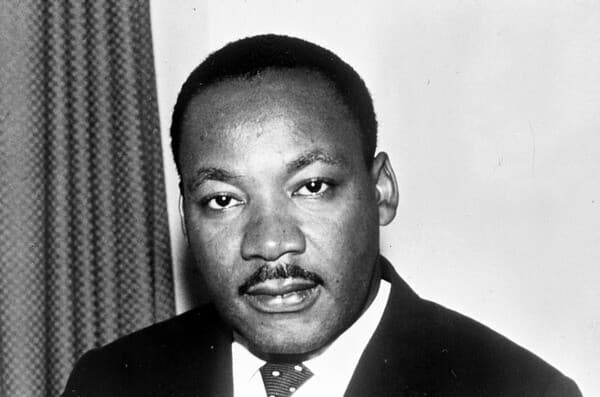
Martin Luther King Jr.: movement CEO before the movement had a structure
Dr. King was a young pastor when he became the central figure of the Montgomery Bus Boycott. But what’s easy to miss is the operational reality of that moment. He was helping coordinate strategy, messaging, stakeholder negotiations, and daily logistics at scale. He was, in effect, a CEO of an emerging movement long before anyone could have handed him a job description for it.
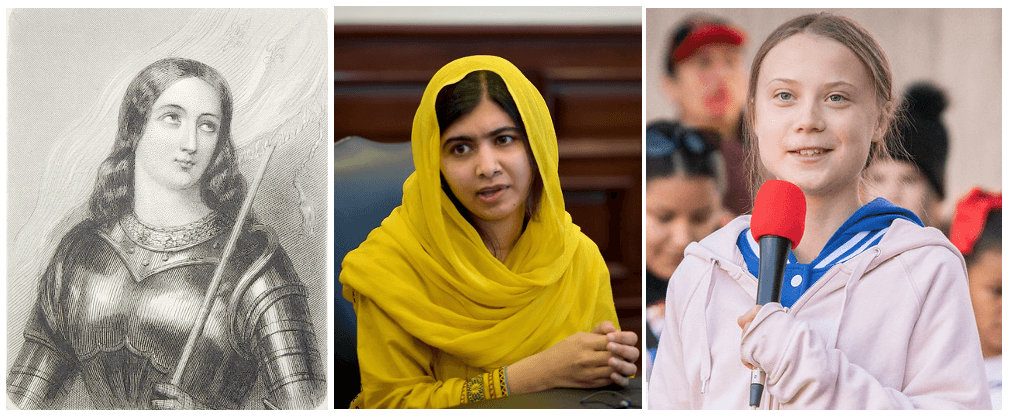
Teenaged heroines taking up a cause: Greta, Joan and Malala
Joan of Arc had about as little institutional authority as a person could have in 15th-century France: and yet this peasant girl showed up at the French court insisting she could help turn the tide of the Hundred Years’ War. This announcement was, understandably, met with some skepticism. But something unusual happened. She was not officially in command of the army, but she was the person the army started following. If late medieval France had been a modern company, would she have been noticed?
And then you have modern versions of the same pattern: Greta Thunberg, a lone teenager outside the Swedish parliament, turning a solitary act into a global movement because she articulated the mission so crisply that other people organized themselves around it. Or Malala Yousafzai, advocating for girls’ education as a teenager before the world handed her any formal platform. In all these cases, the “title” is not where the story starts – it’s where the rest of us finally catch up.
Business gives you many sharp versions of this, especially when leadership has to travel up through the system over many years – years where a little talent poaching could have changed the story significantly.
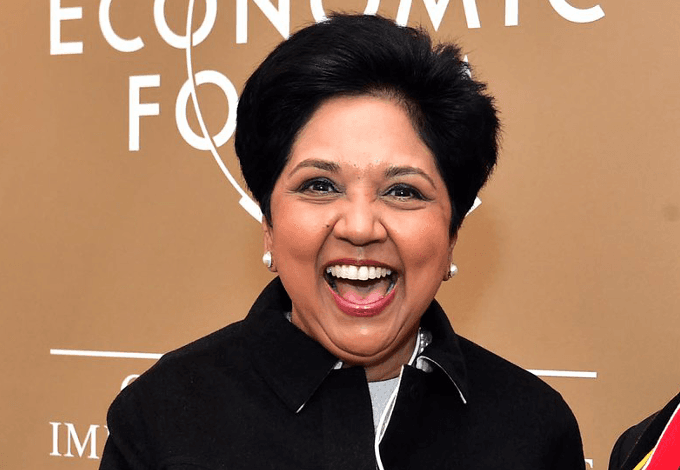
Indra Nooyi: shaping strategy before running the company
Indra Nooyi shows up at PepsiCo in 1994 as Senior Vice President of Strategic Planning. Not CEO yet. Not even president. But the work she’s doing – shaping portfolio direction, reframing long-term strategy, translating market shifts into enterprise moves – is CEO-adjacent long before the title arrives. (Her first role, for the record, was Senior Vice President of Strategic Planning, and then she moved into Corporate Strategy and Development.) What if she’d decided to go work for a different company in 2000?
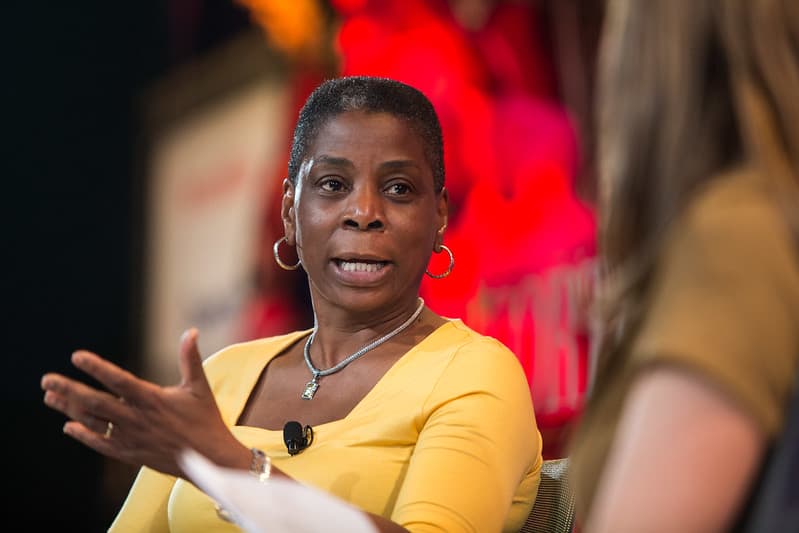
Ursula Burns: leading across the system before leading the company
Ursula Burns started at Xerox in 1980 as a mechanical engineering intern. As she rose through the ranks, she became known for something unusual: she could move between the technical, operational, and strategic layers of the company with equal authority. Long before she became CEO of Xerox in 2009, she was already acting as the connective tissue across the organization – aligning engineering, operations, and corporate strategy. In her case, Xerox was lucky enough to notice the leader it already had and kept widening the runway until the title caught up.
If you zoom out, these stories rhyme, even though the settings are wildly different. The title is just the last step in a longer process:
- Someone starts doing the work of the next role.
- Other people begin treating them like the role is already theirs.
- The institution either catches up… or it doesn’t.
The Cautionary Tale Part
And this is where the cautionary tale becomes real. In most organizations, this same pattern plays out every day, just with fewer statues and better Wi-Fi.
Leading without the role is sustainable only for so long. Eventually, highly engaged, talented people notice the mismatch between the value they’re creating and the latitude they’re given to create it.
And when they leave, it might look sudden to you. But it isn’t. It’s the predictable ending of a story the organization wasn't able to read in real time.
The Leadership Signals We Might Be Missing
If you want to spot these people earlier, the question isn’t “Who has leadership potential?” It’s “Who is already performing leadership functions today?” “Who is exhibiting the patterns of behavior that predict they will become leaders?”
Because that’s what’s different about real emerging leaders. It’s a pattern. And those patterns leave footprints. Lots of them. We try to spot future leaders with a few big, lagging indicators: an annual review, a manager nomination, a “high potential” label that’s often as political as it is predictive.
Meanwhile, the real evidence is happening in real time, in hundreds of small signals other humans are already noticing. Here are just a few:
- Repeated “thank you” moments: for the same behaviors (clarity, coaching, decisive ownership)
- Cross-team pull: recognition and collaboration that travels beyond their reporting line
- Mobility signals: they keep showing up in different initiatives, different squads, different problems that matter
- Language patterns: the words people use about them start to converge (steady, calm, connective, high bar, gets it done, brings people with them)
- Influence signals: the same names appear in the story of “how we got this over the line”
Individually, these look like anecdotes. Collectively, they’re data. Which is why recognition data is such a powerful window into leadership potential. And when you have enough of that human data, across teams, across time, across contexts, you don’t need to guess who’s leading from behind. You can see potential through recognition.
That’s actually the promise of Human Intelligence: better human data with the right algorithms that gives you a clearer view of contribution, influence, and emerging leadership – early enough to do something about it. Because those leaders you might promote too late aren’t hypothetical. The people around them already know who they are.
The only question is whether you’ll use recognition to see the pattern early enough to keep them. Or whether you'll let someone else give them that runway.
About the author
Darcy Jacobsen
Darcy is a passionate storyteller and champion of workforce transformation, human connection, and recognition-driven culture. As an author on the Workhuman Live Blog, she loves to connect deep research insights with modern workplace dynamics to uncover what really drives engagement, belonging, and happiness at work. With a background in communications and a master's in medieval history, she brings a unique perspective to her writing, taking deep dives into all topics around organizational psychology and the science of gratitude.